

Main Facts
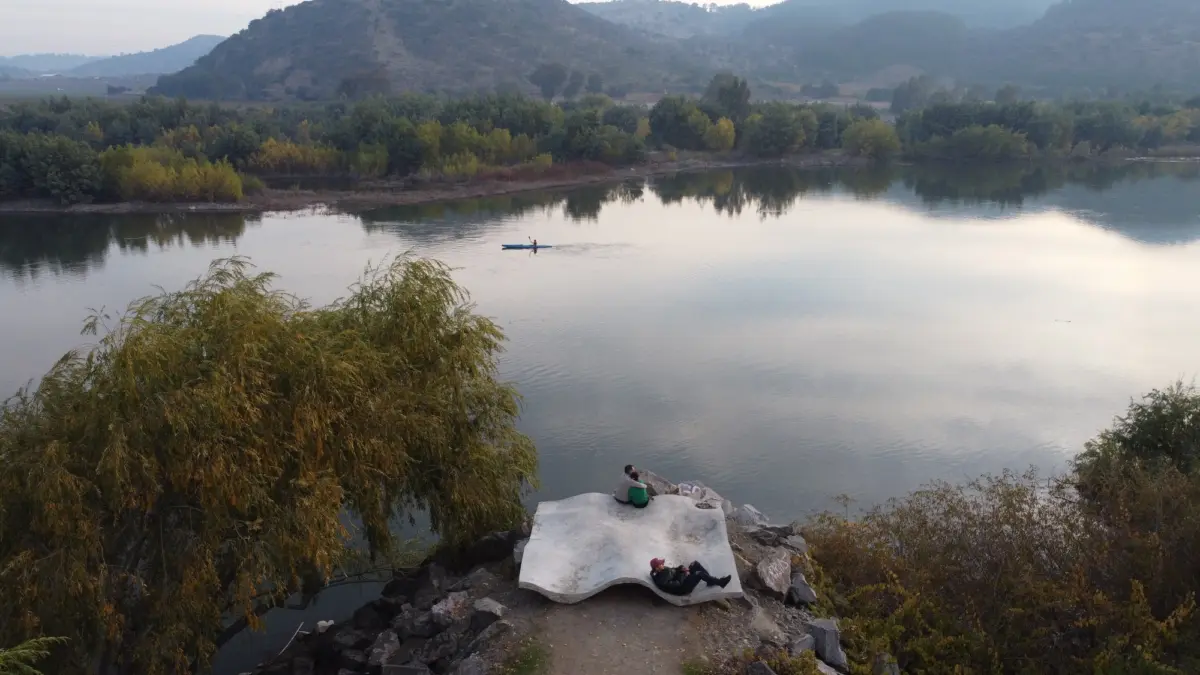
In the heart of the Maule Region in Chile, a striking new intervention has emerged along the serene and historically rich banks of the Loncomilla River. Entitled "Manto Urbano" (Urban Mantle), this innovative thesis project was conceived and developed by Felipe Burgos Villablanca, an emerging architectural designer from the esteemed School of Architecture at the University of Talca (Universidad de Talca). Curated and brought to a broader public eye by Valentina Díaz, the project functions as a piece of contemplative public furniture and landscape infrastructure, bridging the gap between community life and the natural ecosystem of the riverine border in the commune of San Javier.
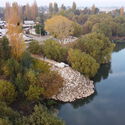
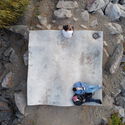
Captured through the photographic lenses of Alexis Álvarez and the designer himself, Manto Urbano is more than just a place to sit or rest; it is an architectural gesture designed to heal the disconnect between urban inhabitants and their natural geography. Situated strategically within a dynamic coastal and riverine ecosystem, the structure acts as a transitional threshold—a "mantle" that drapes over the topography, inviting visitors to pause, reflect, and engage intimately with the flowing waters of the Loncomilla.
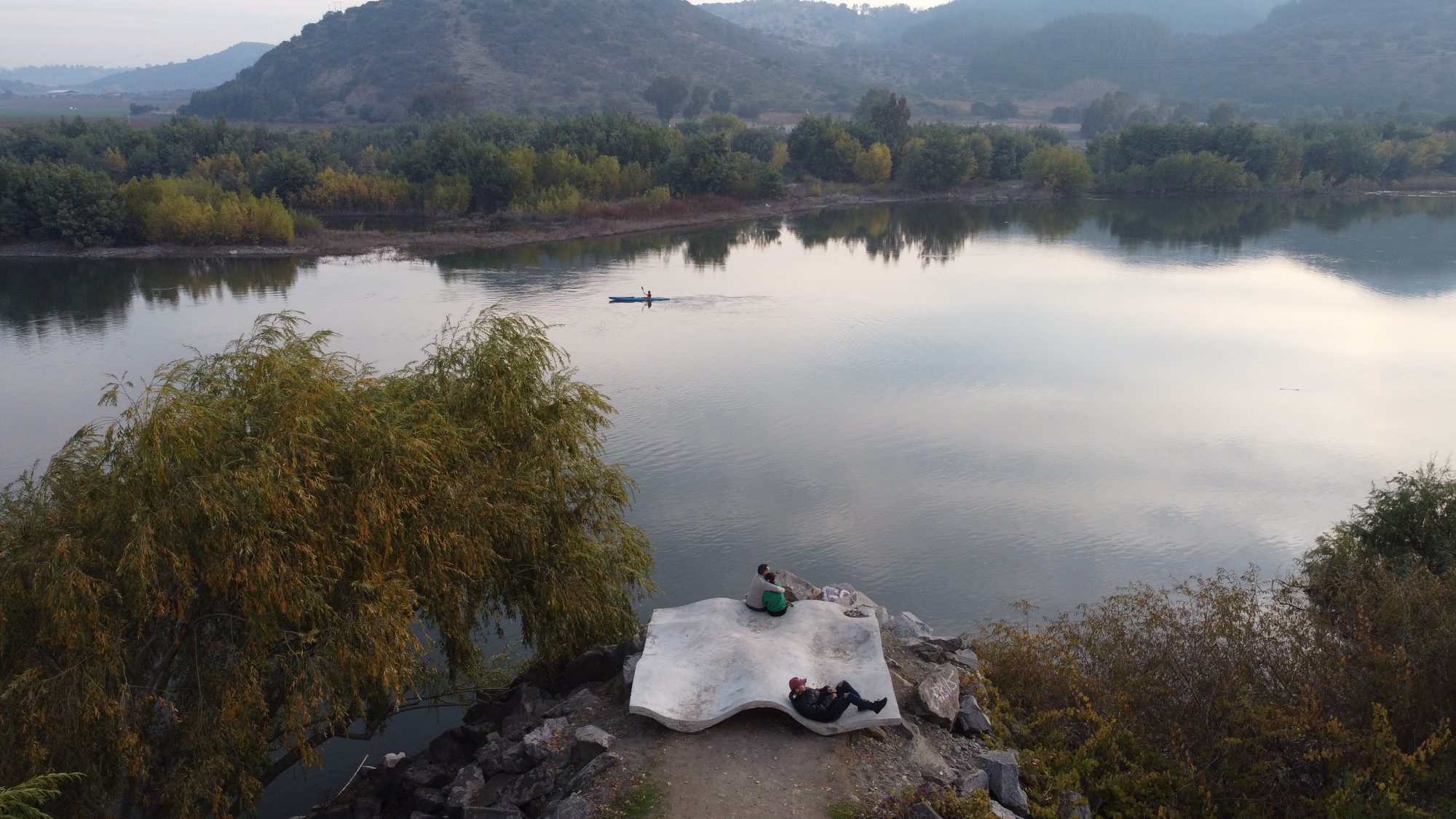
The project addresses a critical shortage of thoughtfully designed public spaces in regional communes, demonstrating how academic research and student-led design can directly enrich local civic infrastructure. By utilizing local materials, sensitive site placement, and a focus on human scale, Manto Urbano transforms a previously underutilized riverbank into a vibrant focal point for community gathering and quiet contemplation.
Chronology
The realization of Manto Urbano represents the culmination of years of rigorous academic inquiry, site analysis, and hands-on fabrication characteristic of the distinctive pedagogical approach found at the University of Talca’s School of Architecture.
- Early Conceptualization and Site Selection (2024–2025): Felipe Burgos Villablanca began investigating the spatial potential of Chile’s interior water bodies, specifically focusing on the Loncomilla River in San Javier. Initial phases involved extensive cartographic mapping, environmental studies of the river’s seasonal flooding patterns, and interviews with local residents to understand how the community interacted with the waterfront.
- Design Development and Thesis Defense (Late 2025): The conceptual framework of the "urban mantle" was refined, moving from abstract sketches to detailed structural blueprints and material tests. The project was successfully defended as a professional graduation thesis, earning high praise from the faculty for its integration of landscape architecture and civic utility.
- Fabrication and Construction Phase (Early 2026): Moving off the drawing board and into physical reality, the construction phase involved meticulous on-site assembly. Working closely with local builders and leveraging sustainable construction techniques, the structure was carefully integrated into the riverbank topography without disrupting the delicate native flora.
- Public Unveiling and Inauguration (Mid-2026): The installation was opened to the public, quickly becoming a favored destination for locals seeking respite by the water.
- Media Release and Critical Acclaim (October 7, 2026): The project gained widespread architectural recognition when it was officially published and curated by Valentina Díaz on major design platforms like ArchDaily en Español, solidifying its status as a notable milestone in contemporary Chilean student architecture.
Supporting Data
To understand the significance of Manto Urbano, it is essential to examine the geographical, institutional, and architectural parameters that shaped its creation:
- Project Manto Urbano (Urban Mantle)
- Designer: Felipe Burgos Villablanca
- Institution: School of Architecture, University of Talca (Universidad de Talca), Chile
- Curator: Valentina Díaz
- Photographers: Alexis Álvarez and Felipe Burgos
- Geographic Location: Banks of the Loncomilla River, San Javier commune, Maule Region, Chile
- Typology: Contemplative public furniture, landscape architecture, civic infrastructure
- Publication Date: October 7, 2026
- Environmental Context: Riverine ecosystem characterized by dynamic water levels, native riparian vegetation, and agrarian surroundings.
- Materiality & Scale: Designed to harmonize with the natural topography, utilizing weather-resistant materials capable of withstanding seasonal river swells while maintaining a human-centric, intimate scale for quiet observation.
Official Responses and Academic Perspectives
The unveiling of Manto Urbano has generated considerable dialogue within academic circles and local municipal administration, highlighting the profound impact of university-led interventions in regional development.
Felipe Burgos Villablanca, speaking on the core philosophy driving his design, emphasized the necessity of listening to the landscape before imposing structural forms. "Architecture along a body of water cannot afford to be arrogant," Burgos noted during discussions surrounding his thesis. "The river dictates the rhythm of the site; our role as designers was to create a gentle interface—a mantle—that allows people to safely and respectfully inhabit the edge between land and water. It is about fostering a sensory connection that modern urban life so often strips away."
Curator Valentina Díaz underscored the project’s ability to transcend traditional academic exercises, pointing out that Manto Urbano successfully bridges the gap between theoretical experimentation and tangible social benefit. "Too often, student thesis projects remain confined to digital renders and bound portfolios," Díaz remarked. "What makes Burgos’s work exceptional is its profound understanding of materiality, public space, and the specific geographic identity of the Maule Region. It gives the community of San Javier a renewed sense of pride in their natural surroundings."
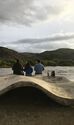
Faculty members from the University of Talca’s School of Architecture echoed these sentiments, noting that the project exemplifies the institution’s commitment to regional architecture. By focusing on overlooked landscapes—such as secondary riverbanks rather than major metropolitan waterfronts—the school continues to champion a decentralized approach to spatial design that directly empowers smaller Chilean communes.
Implications
The broader implications of Manto Urbano extend far beyond the immediate banks of the Loncomilla River, offering valuable lessons for urban planners, regional authorities, and architectural educators across Latin America.
1. Decentralizing Architectural Innovation
Historically, major architectural interventions and public art installations tend to concentrate in capital cities like Santiago. Projects like Manto Urbano challenge this paradigm by proving that world-class, contemplative design can and should take root in secondary communes like San Javier. By elevating the local landscape, the project enriches the cultural and civic life of regional populations who are frequently overlooked by large-scale national infrastructure budgets.
2. Ecological Sensitivity in Civic Design
As climate change and shifting weather patterns alter river ecosystems worldwide, the design of riverbanks requires heightened sensitivity. Manto Urbano demonstrates how public furniture and viewing platforms can be integrated into dynamic environments without resorting to invasive engineering or concrete overdevelopment. By acting as a soft, permeable threshold, the project respects the natural hydrology of the Loncomilla River while offering safe human access.
3. The Power of Academic-Led Public Interventions
The collaboration between students, universities, and local communities serves as a powerful model for civic transformation. When academic institutions encourage students to address real-world territorial challenges, the resulting designs often possess a raw authenticity and social purpose that commercial projects lack. Manto Urbano stands as a testament to the fact that the next generation of architects is deeply invested in healing fragmented landscapes, one thoughtful intervention at a time.

Leave a Reply