

By: Global Infrastructure & Caribbean Desk
Published: October 2026
1. Main Facts
The District Mayor’s Office of Barranquilla is moving forward with one of the most strategically vital infrastructure initiatives in the history of Colombia’s Caribbean coast: a massive public tender valued at over $380,650 million COP to construct and rehabilitate the Western Jetty (Tajamar Occidental) at Bocas de Ceniza.
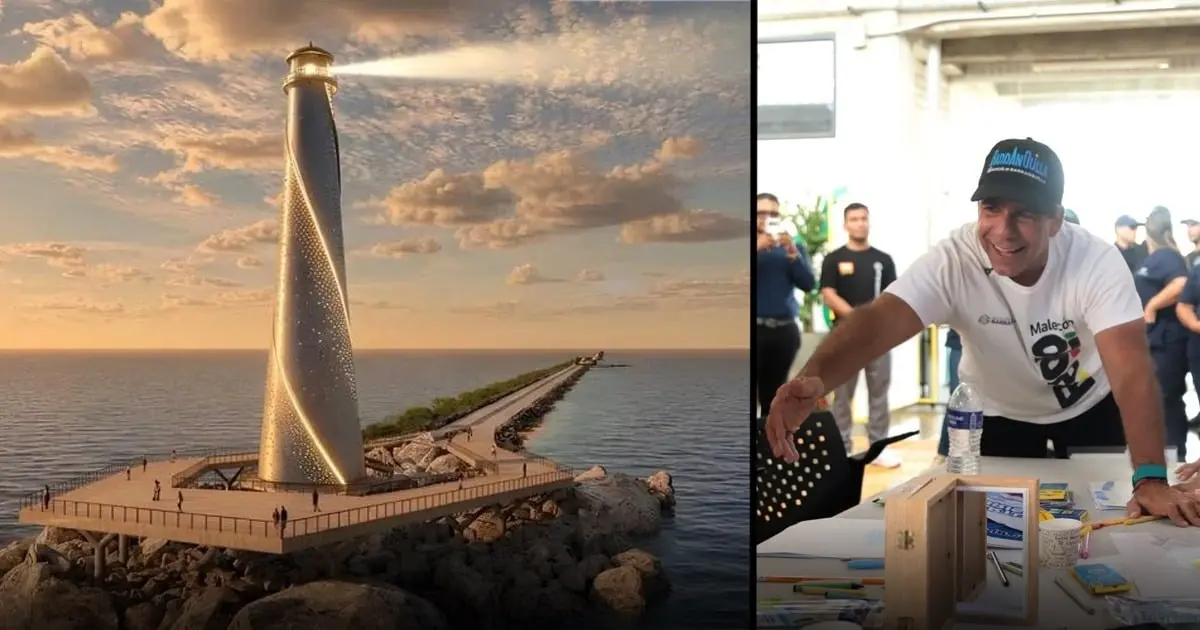
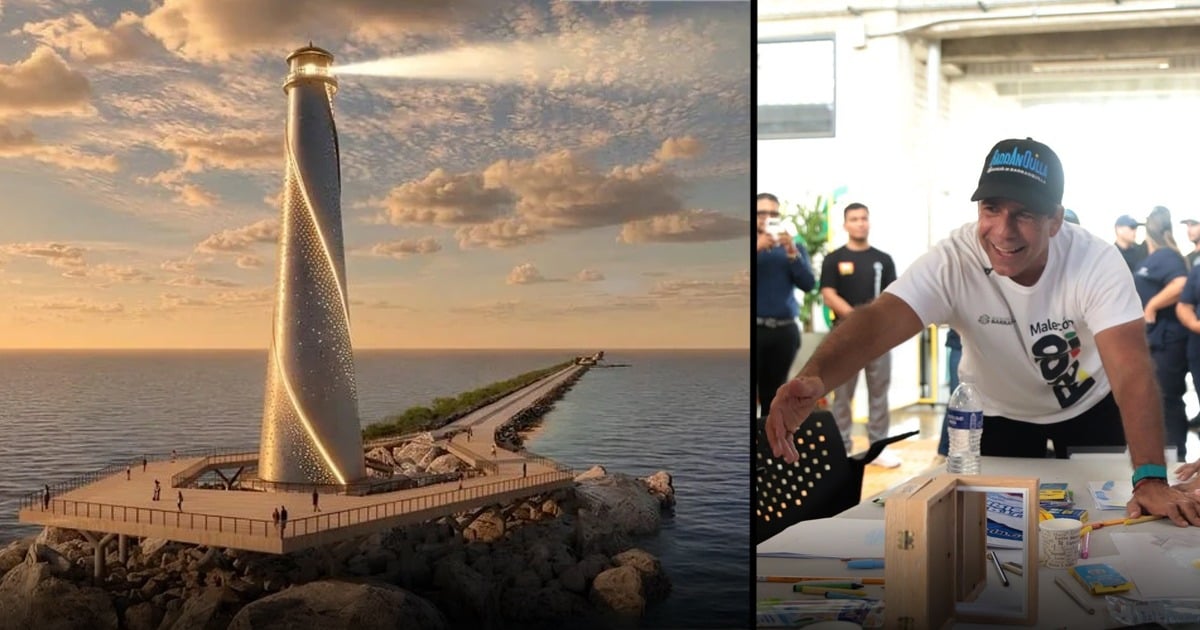
This ambitious megaproject is designed to fundamentally transform the mouth of the Magdalena River, marrying essential port and maritime navigation upgrades with modern urban mobility and high-impact regional tourism. The core objective of the intervention is to restore and optimize the historic jetties built at the turn of the 20th century, which are crucial for channeling river currents, preventing the accumulation of dangerous sandbars, and allowing deep-draft commercial vessels to safely access the Port of Barranquilla.
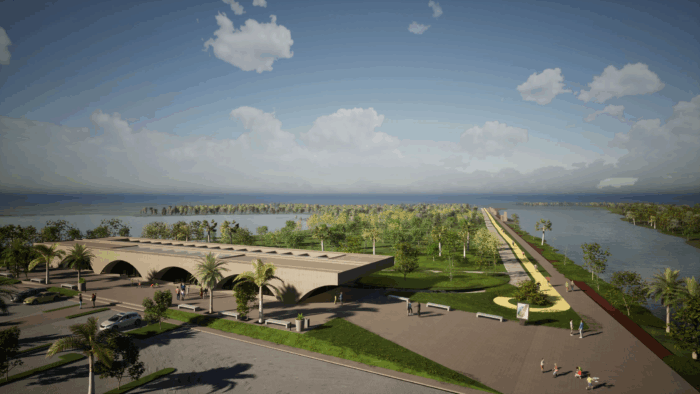
Beyond its heavy industrial and logistical footprint, the project incorporates a visionary civic design. Plans include the construction of a scenic tourist train stretching out to the tip of Bocas de Ceniza—reviving a beloved local tradition—alongside a wide, 15-meter multi-modal corridor equipped specifically for cyclists, pedestrians, and authorized motor vehicles.
The bidding war for this multi-billion-peso contract has boiled down to a high-stakes duel between two powerhouse contenders:
- Consorcio Tajamar Occidental, closely linked to the European engineering giant Mota-Engil (Portugal).
- Consorcio Tajamar, a predominantly local alliance spearheaded by Urbanismo y Construcciones SAS (Urbacon) alongside Petrolep Company.
With the award decision hanging in the balance following procedural delays, the outcome will dictate the future of Barranquilla’s international trade capabilities and redefine the city’s relationship with its majestic river delta.
2. Chronology of the Tender Process
The path toward modernizing the Bocas de Ceniza infrastructure has been marked by rigorous planning, rigorous technical evaluations, and notable schedule adjustments:
- Early 20th Century (Historical Context): The original engineering marvel of the Bocas de Ceniza jetties was constructed to tame the volatile meeting point of the Magdalena River and the Caribbean Sea. By narrowing the mouth and accelerating water flow, the design successfully minimized sediment buildup for decades, establishing Barranquilla as Colombia’s premier riverine and maritime gateway.
- Mid-2026 (Project Structuring): The District Mayor’s Office of Barranquilla, under the administration of Mayor Alejandro Char, finalized the technical parameters, environmental licenses, and budgetary allocations for the $380,650 million COP tender. The project was officially framed not just as a river-training structure, but as an integrated tourism and mobility corridor.
- September 2026 (Initial Award Target): The evaluation committees of the District administration originally slated September for the final assessment and definitive award of the contract. However, due to the sheer technical complexity of the marine engineering requirements, comprehensive environmental oversight demands, and rigorous legal vetting of the candidate consortia, the timeline was pushed back.
- October 2026 (Process Resumption and Final Stretch): The procurement process officially resumed, bringing the two surviving bidders—Mota-Engil’s affiliate and the Urbacon-Petrolep partnership—into the final phase of scrutiny. Stakeholders, business associations, and local maritime unions await the ultimate administrative resolution, which will greenlight construction.
3. Supporting Data & Profiles of the Bidders
The financial scale and technical demands of the Bocas de Ceniza project have filtered out smaller contractors, leaving two distinct heavyweights with contrasting operational backgrounds, geographic footprints, and corporate lineages.

The International Challenger: Consorcio Tajamar Occidental (Mota-Engil)
Represented in Colombia by its president, Alexandre Bernardo—a seasoned Portuguese civil engineer and investor with extensive global experience in large-scale infrastructure—Mota-Engil has emerged as a dominant force in Colombian civil works, particularly along the Caribbean coast.
- Local Track Record: Mota-Engil’s footprint in Barranquilla is already highly visible. The company is actively executing the complex channeling of the Calle 85 stream (arroyo), one of the most praised and vital urban engineering undertakings of Mayor Alejandro Char’s administration to mitigate historic flash-flood risks.
- Expansion in the Caribbean: The Portuguese multinational has successfully expanded its footprint to neighboring Bolívar. In Cartagena, Mota-Engil secured major infrastructure contracts for the construction of the La Carolina road interchange and the Ternera road interchange, representing a combined value of approximately $185,330 million COP.
- Strategic Ambition: By setting its sights on Bocas de Ceniza, Mota-Engil aims to cement its status as the premier infrastructural partner for local governments across the Colombian Caribbean, blending European maritime engineering standards with aggressive local execution.
The Colombian Option: Consorcio Tajamar (Urbacon & Petrolep)
Representing national and regional engineering capabilities, Consorcio Tajamar brings together two deeply experienced Colombian firms: Urbanismo y Construcciones SAS (Urbacon), holding a 90% stake, and Petrolep Company, holding the remaining 10%.
- Urbacon (90% Stake): Based out of Barranquilla and boasting over 50 years of uninterrupted operational history, Urbacon is no stranger to the hydrological challenges of the region. Under the legal representation of Luz Stella Torres Caviedes, the firm has a proven track record of executing critical dredging and maintenance contracts for the channel alongside the Corporación Autónoma Regional del Río Grande de la Magdalena (Cormagdalena). Furthermore, Urbacon has successfully delivered projects for top-tier national entities, including the Instituto de Desarrollo Urbano (IDU) in Bogotá, the Instituto Nacional de Vías (Invías), and municipal urban development agencies in Barranquilla.
- Petrolep Company (10% Stake): Founded in Barrancabermeja in 1996, Petrolep originally specialized in operational support and industrial services for Ecopetrol and the broader energy sector. Over three decades, the company successfully diversified its corporate portfolio into heavy civil engineering, specializing in road paving, municipal water and sewage networks, public sports complexes, and rigorous public infrastructure audits (interventorías). Under the legal leadership of Luis Eduardo Pacheco Campo, Petrolep has executed public and private contracts across Norte de Santander, Antioquia, Bolívar, and Cesar.
4. Official Responses and Institutional Perspectives
The debate surrounding the Bocas de Ceniza tender has attracted intense scrutiny from local authorities, trade unions, and civil society organizations, highlighting the delicate balance between commercial shipping needs and public urban space.
- The District Administration’s Stance: The Mayor’s Office of Barranquilla has consistently emphasized that the $380,650 million COP investment is non-negotiable for the city’s economic future. Municipal spokespersons have stressed that the port competitiveness of Barranquilla directly relies on the structural integrity of the Magdalena River’s mouth. Without deep-water reliability, shipping lines risk bypassing the city for competing ports in Cartagena or Santa Marta.
- Integration of Public and Private Visions: Local planning authorities note that combining port engineering with a public tourism park addresses decades of citizen petitions. For generations, the historic Bocas de Ceniza train was a beloved cultural touchstone. Officials have reiterated that any awarded consortium must strictly adhere to environmental protection standards while delivering both the heavy marine breakwaters and the pedestrian-friendly amenities.
- Industry and Chamber Reactions: Regional business guilds, including the Intergremial del Atlántico, have voiced cautious optimism regarding the transparency of the tender. Industry leaders have underscored that whether the contract is awarded to European multinational expertise (Mota-Engil) or seasoned local engineering alliances (Urbacon-Petrolep), the execution timeline must remain tight to avoid further disruptions to maritime logistics.
5. Strategic Implications for Barranquilla and the Caribbean
The selection of the winning consortium for the Bocas de Ceniza megaproject carries profound long-term implications for the economic, touristic, and geopolitical landscape of northern South America:
1. Navigational Security and Port Competitiveness
Barranquilla’s economic vitality has historically been choked by the unpredictable sedimentation of the Magdalena River. By completely overhauling the Western Jetty, the city secures a permanent, reliable channel capable of handling Post-Panamax vessels. This directly reduces freight costs, lowers insurance premiums for cargo carriers, and solidifies Barranquilla’s position as the primary logistical hub connecting Colombia’s interior via river transport with global maritime routes.
2. Economic Diversification via Tourism
The inclusion of a 15-meter-wide multi-modal corridor and a modern tourist train opens a pristine, previously restricted ecological frontier to the public. Transforming an industrial breakwater into a recreational park mirrors successful waterfront revitalizations seen globally. It creates a new anchor for regional tourism, encouraging visitors to experience the exact geographic point where the brown waters of the Magdalena meet the blue expanse of the Caribbean Sea.
3. Geopolitical and Corporate Benchmarking
Should Mota-Engil secure the contract, it will reinforce the trend of European infrastructure giants dominating high-value public concessions in Latin America, leveraging vast capital reserves and international maritime engineering pedigrees. Conversely, if the homegrown alliance of Urbacon and Petrolep triumphs, it will serve as a massive validation of Colombian engineering capability, proving that local firms possess the technical depth, financial health, and regional insight required to conquer the most challenging megaprojects of the Caribbean basin.
As the District administration prepares to make its final announcement, the modernization of Bocas de Ceniza stands as a defining chapter for Barranquilla—one that bridges its industrial past with a modern, connected, and vibrant future.



Leave a Reply