

Main Facts
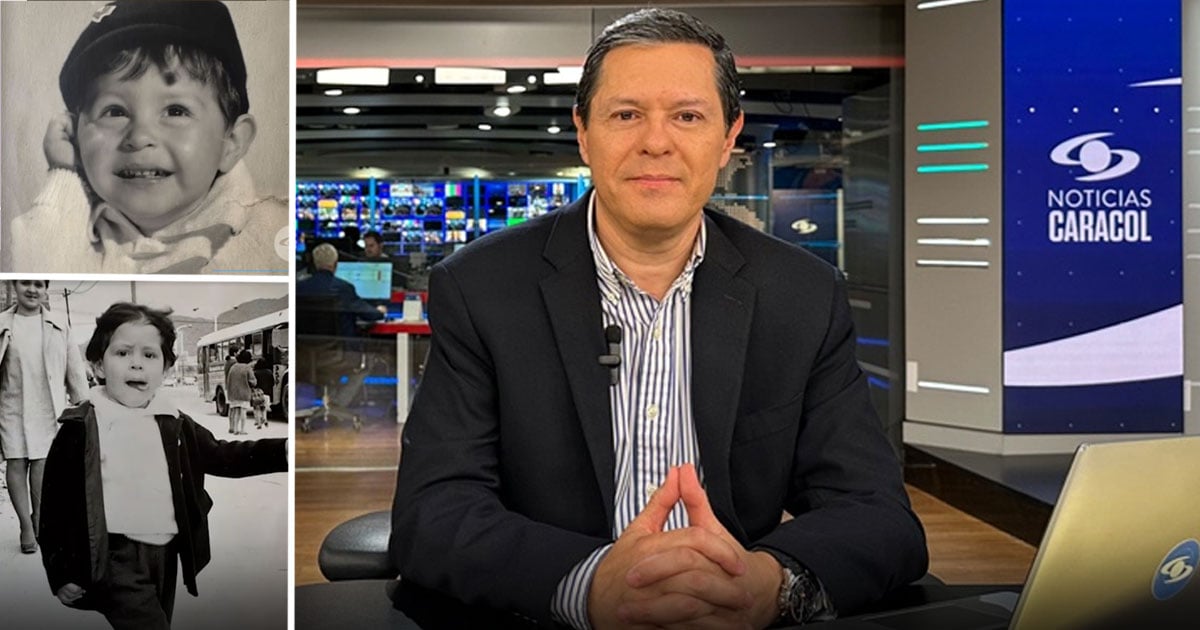
Behind the polished screens of Colombia’s most-watched nightly news broadcast lies a story defined not by privilege, but by early adversity, unwavering maternal resilience, and an unshakeable vocation. Juan Roberto Vargas, the current director of Noticias Caracol, has built a reputation as one of the most prominent journalistic figures in the country. Yet, before steering the editorial direction of a major television network, Vargas was a ten-year-old child facing the seismic shock of paternal loss and the sudden collapse of economic security.
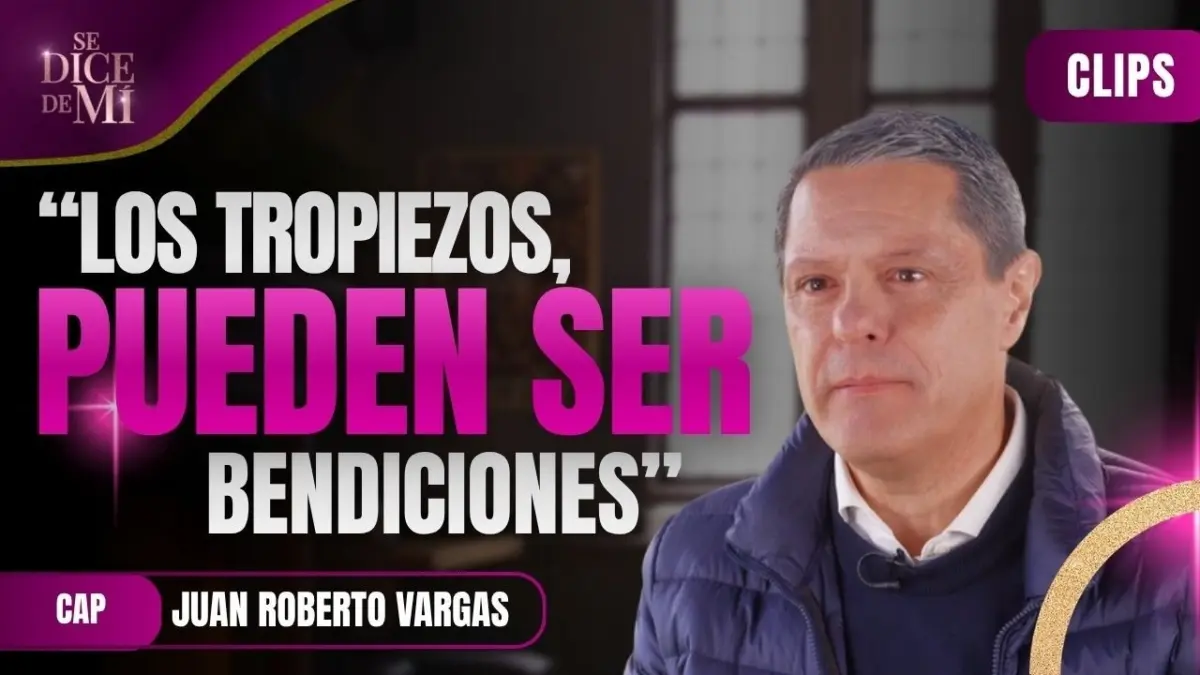
In recent revelations shared on Caracol Television’s biographical program Se Dice de Mí, Vargas opened up about the formative hardships of his youth. Losing his father at a tender age fundamentally altered the trajectory of his family, casting his mother into a solitary and formidable struggle to keep her household afloat. The financial upheaval forced dramatic lifestyle adjustments—most notably shifting from the comforts of a private school to the realities of public education.
Despite these economic hurdles, Vargas forged a path through determination, resourcefulness—even selling academic papers as a university student to help make ends meet—and an early, passionate obsession with radio and sports broadcasting. Today, as he approaches nearly twelve years at the helm of Noticias Caracol, Vargas’s narrative stands as a testament to how profound personal trials can forge professional excellence.
Chronology: From Childhood Imagination to Newsroom Leadership
The arc of Juan Roberto Vargas’s life is marked by distinct phases where early play seamlessly translated into professional grit.
1. Early Childhood and the Turning Point (The 1970s)
Long before stepping into professional television studios, Vargas was a child captivated by the rhythm of language and sports. During his early years, while his father was still alive, his favorite pastime was not playing out on the streets, but locking himself away with a large tape recorder. For hours on end—sometimes stretching across four or five solid blocks of time—he would simulate full soccer broadcasts, complete with imagined crowd noises, player rosters, and dramatic commentary. This innocent childhood game served as the earliest harbinger of his lifelong vocation.
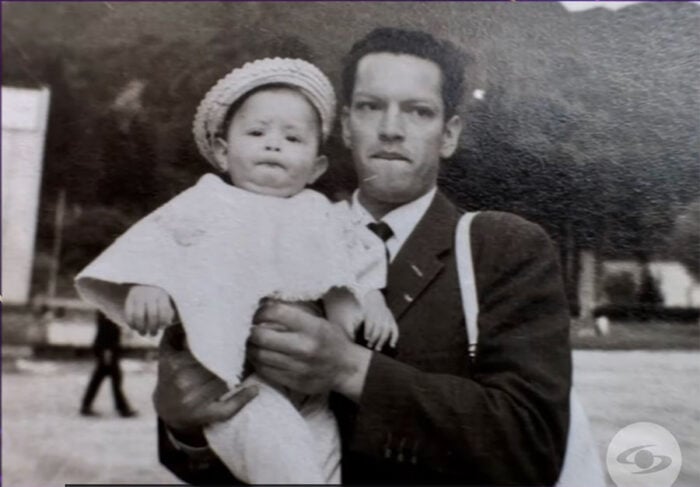
However, this idyllic chapter was shattered abruptly when Vargas was just ten years old. The death of his father instantly restructured his world, robbing the household of its primary financial provider and forcing both the young boy and his grieving mother to confront an uncertain future.

2. Adaptation and the Academic Shift
The financial vacuum left by his father’s passing necessitated a stark downgrade in the family’s standard of living. Vargas had to transition from a private educational institution to a public school. While initially jarring—marked by unfamiliar faces, different facilities, and altered social circles—the shift ultimately proved beneficial. Reflecting years later upon assuming the directorship of Noticias Caracol in January 2015, Vargas noted that the public school offered a high academic standard and forged friendships that endured well into adulthood. It was during this period that he crystallized a core philosophy: true value lies not in material possessions, but in personal integrity.
3. University Struggles and Early Radio Hustles
As Vargas entered higher education, the financial strain persisted. To contribute to his household and pay his own way, he resorted to unconventional methods, including writing and selling academic papers for fellow students.
His formal entry into the media landscape began around 1989. Landing an internship on the sports program La Barra de las 13 alongside veteran journalist Alberto Piedrahíta Pacheco opened the door to the rigorous world of Colombian radio. He soon moved to Todelar, where his initial duties were intensely physical and unglamorous: carrying heavy cables for live broadcasts from El Campín Stadium.

A fateful stroke of luck propelled him forward. When a regular reporter failed to show up for a match, Vargas stepped into the breach armed with the roster of the Quindío team. Impressed by his initiative, legendary broadcaster Iván Mejía called Vargas up to the broadcast booth and handed him a fee of 40,000 pesos for covering the southern locker room. Though a modest sum, it felt like a fortune to the young aspiring reporter and solidified his foothold in the industry.
4. Media Hopper and Academic Mentor
Vargas’s career steadily expanded across major Colombian networks. Over the subsequent decades, he honed his investigative and anchoring skills through stints at RCN, TV Hoy, CM&, and a crucial two-year chapter at the esteemed daily newspaper El Tiempo. Alongside his rigorous newsroom duties, he gave back to the next generation of communicators by teaching journalism at prominent institutions such as La Sabana and Sergio Arboleda universities.
5. Directing Noticias Caracol (2015–Present)
In January 2015, Vargas stepped into the high-pressure role of director of Noticias Caracol, taking over the mantle from Luis Carlos Vélez. For nearly twelve years, he has successfully steered the network through complex political landscapes, social crises, and the digital transformation of broadcast journalism, cementing his status as a pillar of modern Colombian media.

Supporting Data and Context
To understand the scope of Vargas’s journey, it is vital to examine the socioeconomic context of single-parent households in Colombia during the late 20th century, as well as the structural evolution of the nation’s broadcast media.
- Socioeconomic Mobility: Studies on Colombian social mobility indicate that transitions from private to public education during periods of familial economic shock often serve as forced catalysts for resilience, pushing individuals into environments that foster greater empathy and social awareness.
- The Economics of Early Media: In the 1980s and 1990s, entry-level radio positions in Colombia were notoriously underpaid, relying heavily on passion and endurance. Payouts like the 40,000 pesos Vargas received from Iván Mejía were typical of the "apprenticeship economy" that molded top-tier Latin American broadcasters.
- Industry Footprint: Noticias Caracol consistently ranks among the most-watched news programs in Colombia, reaching millions of households daily across multiple platforms (television, digital streaming, and social media). Directing such an apparatus requires navigating high-stakes operational budgets, stringent journalistic ethics, and continuous 24-hour news cycles.
Official Responses and Public Reactions
The broadcast of Vargas’s interview on Caracol Television’s Se Dice de Mí generated widespread public resonance, drawing reactions from media colleagues, academic institutions, and viewers across the nation.
- Colleague and Industry Tributes: Veteran journalists and media analysts took to social media and editorial columns to praise Vargas’s transparency regarding his humble beginnings. Many highlighted how modern media executives rarely speak candidly about working-class struggles, such as selling academic papers or hauling cables in stadiums.
- Academic Communities: Universities where Vargas previously taught—including La Sabana and Sergio Arboleda—circulated excerpts of the interview to inspire current journalism students. Faculty members emphasized his quote regarding material wealth versus personal character as an essential ethos for ethical reporting.
- Audience Engagement: Viewers flooded digital platforms with messages of solidarity and respect, noting that knowing the personal sacrifices behind his professional exterior adds a layer of profound human empathy to his nightly news presentations.
Implications
Juan Roberto Vargas’s life story carries significant implications for the future of journalism, socioeconomic mobility, and media leadership in Colombia.
1. Redefining Journalistic Empathy
When a news director has lived through economic displacement, sudden familial loss, and the grinding hustle of survival jobs, their editorial perspective shifts. The institutional empathy of a newsroom led by someone who understands marginalization often translates into more inclusive reporting, a deeper focus on social issues, and more nuanced coverage of vulnerable populations. Vargas’s background ensures that Noticias Caracol maintains a grounded connection to the everyday realities of ordinary Colombians.
2. The Meritocracy Myth vs. Real Perseverance
While Vargas’s career is frequently cited as a success story, it simultaneously exposes the grueling hurdles inherent in traditional media pathways. The narrative underscores that while raw talent and hard work are indispensable, they must often be coupled with extreme personal sacrifice, familial support systems, and moments of sheer luck. For aspiring journalists today, his journey serves as both an inspiration and a cautionary tale about the sacrifices demanded by the profession.
3. Institutional Stability in Media Leadership
In an era where traditional television networks face immense disruption from digital media, algorithmic feeds, and shifting audience demographics, steady leadership is paramount. Vargas’s nearly twelve-year tenure at Noticias Caracol provides a stabilizing anchor. His ability to weather professional and personal storms equips him to guide a major legacy media outlet through the turbulent transitions of the digital age, proving that the foundational discipline learned in the radio booths and public school classrooms of his youth remains relevant in the modern information ecosystem.


Leave a Reply