

By Global Culture & Heritage Desk
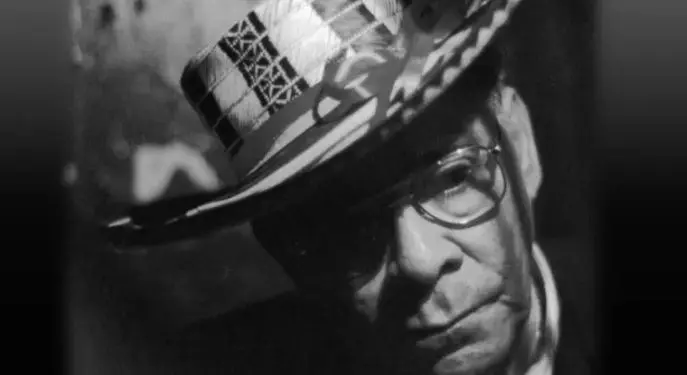
To understand the vibrant, bittersweet soul of Colombia’s Caribbean coast, one must listen to the echoing strains of a porro, the lively cadence of a cumbia, and the romantic storytelling of a vallenato. At the epicenter of this rich musical tapestry stood a man whose fingers danced effortlessly across the frets of a guitar, and whose pen captured the very essence of rural life along the Sinú River.
Pablo José Flórez Camargo—affectionately known to millions simply as "Pablito"—was far more than a musician. He was a cultural architect, a chronicler of everyday joys and sorrows, and a prolific genius credited with writing at least a thousand songs. Revered during his lifetime and studied long after his passing, Flórez earned monumental titles that mirror his literary and musical contributions: “The Juglar of the Porro,” “The Poet of the Sinú,” “The Juglar of Nostalgia,” and “The Facetious Singer-Songwriter.”
His legacy is a masterclass in folkloric preservation, demonstrating how localized traditions can transform into universal anthems that continue to captivate contemporary generations.
Main Facts: The Legacy of a Musical Titan
Pablo José Flórez Camargo’s life is defined by staggering artistic output and deep cultural impact. Born on June 27, 1926, in Ciénaga de Oro, Córdoba, Flórez built a repertoire that spanned multiple Caribbean genres, cementing his status as a foundational figure in Colombian music history.
Among his most enduring contributions is the legendary vallenato paseo “La aventurera” (“The Adventuress”). Such is the cultural weight of this composition that it inspired its own public monument in the city of Montería. The sculpture commemorates the arrival and departure of Ninfa del Valle, a captivating young woman whose fleeting presence in Ciénaga de Oro sparked Flórez’s creative imagination. Today, “La aventurera” occupies a hallowed space in Colombian musical history, having been reinterpreted by artists as diverse as its original performer Antolín Lenes, vallenato superstar Carlos Vives, and contemporary songstress Mónica Giraldo.
Beyond “La aventurera,” Flórez’s catalog reads like an encyclopedic guide to Caribbean folklore. Hits such as “Los sabores del porro,” “Fiesta vieja,” “Cabeza’e gato,” “Goza Plinio Sierra,” “Tan lejos de ti,” “La ciroma,” “María Marzola,” “Sinú caliente,” “El gavilán,” “Los sabores de María,” “Con el agua a las rodillas,” “La negra Facta,” “La cumbia está herida,” “Lloró Pelayo,” and “La muerte de María Varilla” showcase an astonishing lyrical range. Furthermore, his instrumental fandango “Tres clarinetes” claimed the prestigious award for best unpublished theme at the 1986 Festival del Porro in San Pelayo.
His songs have served as vital source material for generations of musical luminaries, including Toto la Momposina, Alfredo Gutiérrez, María Mulata, Miguel Durán, Gabriel “Rumba” Romero, and the Alé Kumá project.
Chronology: From the Forge to the Pantheon of Folkloric Icons
The journey of Pablito Flórez from a humble working-class background to national icon is a story of dedication, raw talent, and unyielding artistic vision.
Early Life and Labor (1926–1940s)
Born in Ciénaga de Oro, young Pablo learned the trades of masonry and blacksmithing from his father. However, music called to him early. While working manual jobs to support his family, he sought out formal instruction, taking guitar lessons from local maestro Johny Sáez.
The Ensemble Years and the Birth of a Legend (1950s–1970s)
Flórez initially entered the professional music scene as a drummer for the Combo Orense, led by his compatriot Antolín Lenes. His musical ear and natural vocal ability soon caught the attention of Antonio Fuentes, head of the legendary record label Discos Fuentes. Fuentes recognized Flórez’s vocal talent and paired him with Lucy González, known as “La Cieguita de Oro” (The Golden Blind Girl).
A pivotal turning point in Colombian music history occurred when Fuentes refused to let Flórez and Lenes record a track he deemed insufficiently commercial. Standing firm in their artistic vision, the musicians left Discos Fuentes and recorded the rejected song—“La aventurera”—with rival label Codiscos. Sung by Flórez himself, the track became an overnight sensation and an eternal classic.
Solo Renaissance and Recognition (1980s–2000s)
By the 1980s, Flórez’s reputation as a solo composer, singer, and master guitarist reached new heights. He recorded solo projects for Sonolux and collaborated with his children on special releases for the Secretariat of Culture of Córdoba. As he entered his twilight years, younger generations of musicians sought him out, eager to drink from the well of his knowledge. In 2005, he recorded an acclaimed album with Leonardo Gómez’s Alé Kumá project and forged professional bonds with artists like Mónica Giraldo and María Mulata.
Final Honors and Passing (2010–2011)
In 2010, the Colombian government bestowed upon Flórez the prestigious Gran Orden Maestros del Patrimonio Cultural (Grand Order of Masters of Cultural Heritage), recognizing him alongside fellow musical giants León Cardona and Jairo Varela.
Pablo José Flórez Camargo passed away on December 14, 2011, in Montería, leaving behind an unfillable void in the nation’s cultural landscape, but an indelible footprint in its musical soul.
Supporting Data and Critical Perspectives
Musicologists and literary figures have long analyzed the structural uniqueness of Flórez’s work. In his book “Ciénaga de Oro y su música” (“Ciénaga de Oro and Its Music”), writer and musician Edgardo José Esquivia paints a vivid portrait of the maestro:
"Aside from being a guitar, a hat, and a heart, he is a historian of nostalgia and a witness to the bygone times of a region called Sinú. All the anecdotes close to his heart and his land were channeled through his guitar, transforming them into works where popular culture, with all its fiery and picaresque charge, manifests itself with intensity and solvency."
Carlos Marín Calderón, author of the biographical study “Pablo Flórez, juglar del porro cantado” (“Pablo Flórez, Juglar of the Sung Porro”), identifies two major milestones that establish Flórez as a true pioneer. First, Flórez was the trailblazer who successfully and seriously introduced the acoustic guitar into the traditionally brass-heavy genre of the porro. Second, he revolutionized the genre by introducing intricate, narrative lyrics.
According to Marín Calderón, Flórez fiercely maintained that "the message caused a greater impact among the public and within folklore itself." Rather than relying solely on instrumental dance rhythms, Flórez gave the porro a narrative voice, turning dance tunes into deeply moving human stories.
Official Responses and Cultural Implications
The death of Pablito Flórez in December 2011 prompted an outpouring of national grief and official recognition from cultural ministries, regional governments, and artistic institutions across Colombia. Cultural authorities emphasized that Flórez’s work bridged the gap between oral tradition and formal composition, ensuring that the vernacular poetry of the Sinú Valley would not be lost to modernization.
Implications for Modern Colombian Music
The legacy of Pablo Flórez carries profound implications for how contemporary Colombia understands and preserves its intangible cultural heritage:
- Legitimization of Regional Instruments in National Genres: By proving that the guitar could effectively converse with the mighty porro sabanero, Flórez expanded the sonic boundaries of Caribbean folkloric music, paving the way for acoustic reinterpretations by modern artists.
- Lyrical Depth in Dance Music: Flórez challenged the notion that dance music must be lyrically vacant. By embedding rich storytelling, local history, and emotional introspection into porros and cumbias, he elevated dance genres into vehicles for social and personal testimony.
- Intergenerational Dialogue: The late-career collaborations between Flórez and younger artists—such as Carlos Vives, Mónica Giraldo, María Mulata, and Alé Kumá—demonstrate the vital importance of mentorship. These partnerships ensured that traditional idioms were not relegated to museum archives, but actively integrated into modern pop, jazz, and fusion landscapes.
Conclusion
Pablo José Flórez Camargo remains a towering figure in Latin American music. Through sweat, steel, string, and story, the blacksmith-turned-bard forged a musical identity that continues to resonate from the banks of the Sinú River to global stages. As long as a porro plays, a guitar strums, or a lover recounts the tale of “La aventurera,” the Poet of the Sinú will continue to live on in the heartbeat of Colombia.


Leave a Reply