

Main Facts
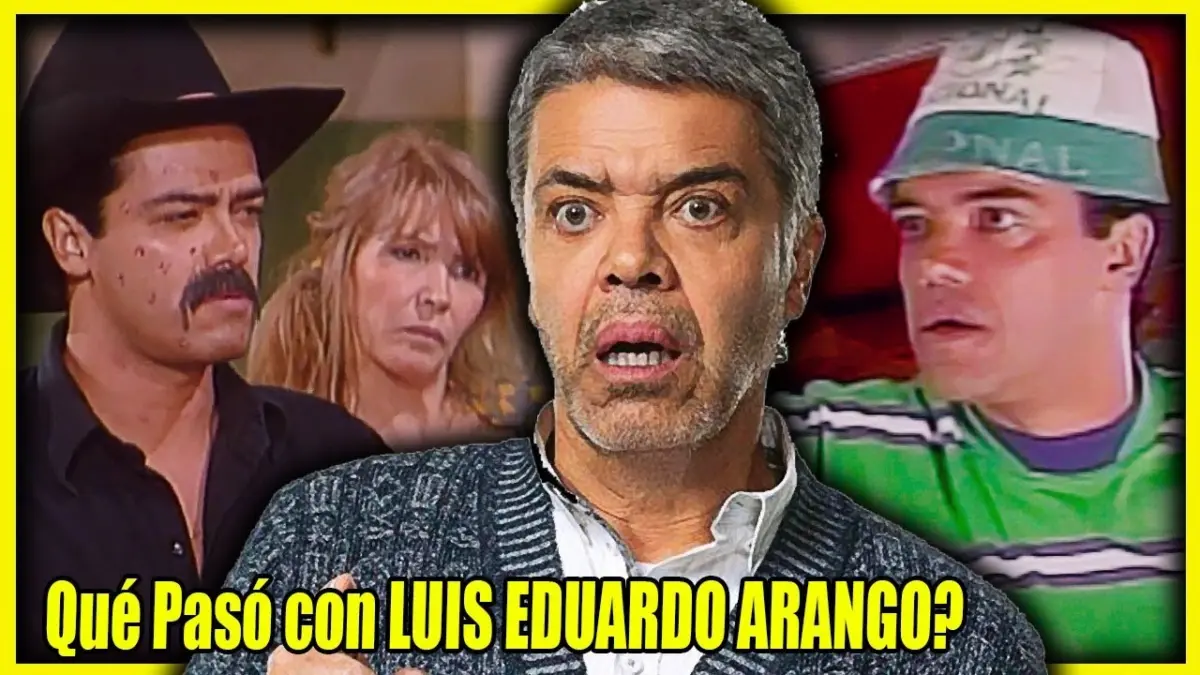
At 75 years of age, Luis Eduardo Arango stands as a monumental figure in the history of Colombian performing arts—a master craftsman whose career spans an astounding 55 years across television, theater, and film. Across his legendary trajectory, Arango has breathed life into roughly 79 television series and telenovelas, alongside a nearly equal number of theatrical productions.
His most recent television appearance in the high-profile drama series Pa’ seguirte queriendo as Octavio Victoria once again captured the raw, organic talent that has made him a household name across generations of Colombian viewers. However, the production also mirrored the unpredictable nature of an actor’s journey: early in the storyline, Arango’s character met a sudden demise following a cardiac emergency triggered by medication.
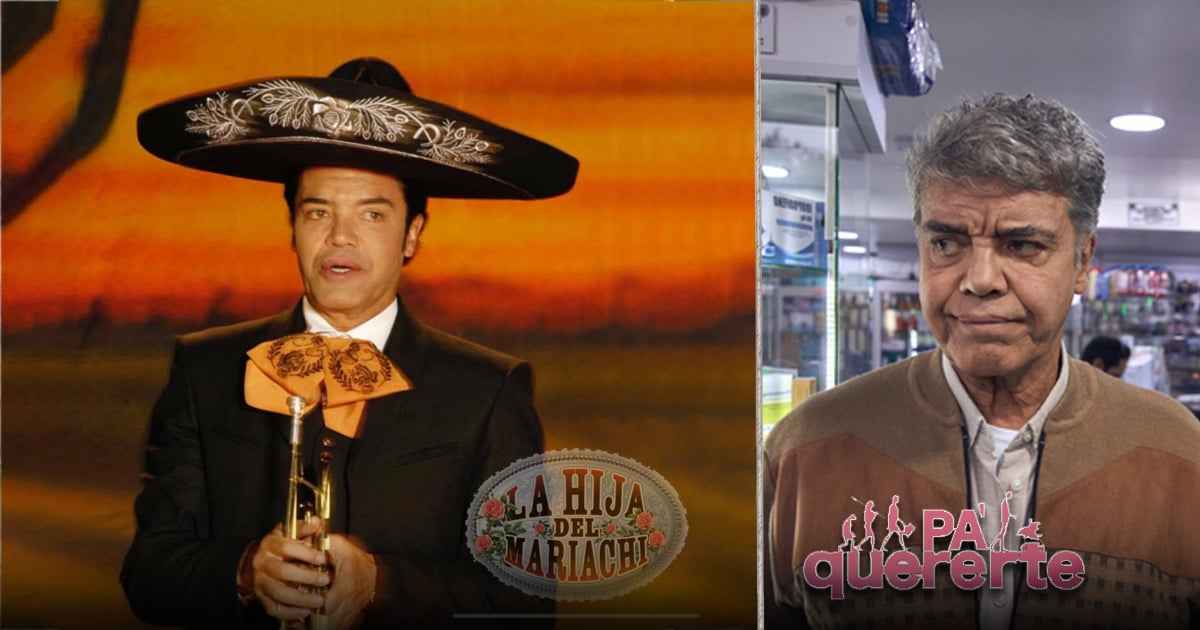
Yet, in true theatrical defiance, the death of Octavio Victoria did not mark the end of Arango’s presence on screen. Utilizing the narrative elasticity inherent to television, film, and theater, the production kept him woven into the fabric of the story, serving as a testament to an actor too vital to simply write out.
Far from contemplating retirement, Arango remains a relentless force in the industry. Whether transitioning from dramatic leading man to iconic comedic figures, or stepping onto the boards of Bogotá’s prestigious theaters, Arango embodies the archetype of an actor of pure pedigree—a performer who lives to inhabit new skins, learn new voices, and wait patiently for the next cue to step into the light.

Chronology: A Lifetime Spent on Stage and Screen
The artistic journey of Luis Eduardo Arango is inextricably linked to the evolution of Colombian mass media and dramatic arts.
- The Early Years in Medellín (Late 1960s): Arango’s romance with the stage began when he was just 17 years old in Medellín. These formative years exposed him to the unyielding discipline of the dramatic arts, laying the groundwork for a lifelong dedication to performance.
- The Migration to Bogotá and Theater (1970s): Seeking to hone his craft, Arango relocated to Bogotá, immersing himself in the theater scene. Unlike film or television, where multiple takes offer a safety net, the stage offered an unforgiving yet pure crucible where voice, body, and audience form an immediate bond.
- The Television Breakthrough (1979): Arango made his television debut in the classic production Mujercitas. This entry point coincided with a golden era of Colombian television characterized by long-running serials that offered actors stability and deep audience connection.
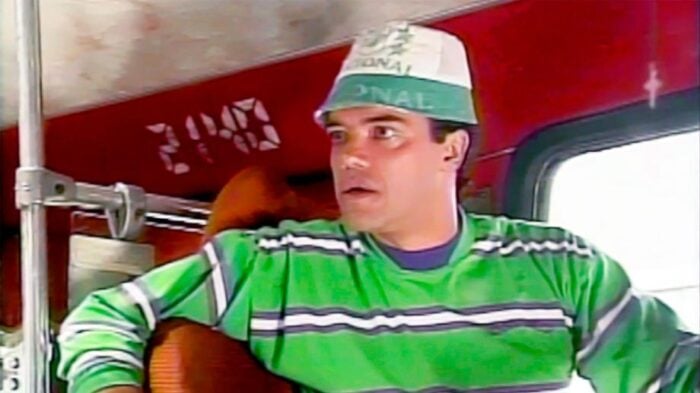
- The Reign of the Galán and Iconic Characters (1980s–1990s): Throughout the eighties and nineties, Arango established himself as a versatile leading man (galán) and character actor, appearing in iconic titles such as Camino cerrado, Los dueños del poder, Suspenso 7:30, and Flor de oro. Simultaneously, he etched his name into collective cultural memory through unforgettable roles: Encarnación in Caballo viejo, William in Don Chinche, and Jesús Abel in Quieta Margarita. Perhaps most notably, he cemented his comedic genius as William Guillermo, the memorable bus driver in the massive hit sitcom Romeo y Buseta, which broadcast from 1987 to 1992.
- The Era of Transformation and Reality Television (2000s–2020s): As the television industry shifted toward faster-paced, shorter seasons, Arango adapted. He embraced new mediums, including a memorable, albeit brief, stint as a contestant on MasterChef Celebrity Colombia in 2022, where his warmth and sportsmanship won over a new demographic of viewers.
- Continued Theatrical Mastery (Recent Years): Refusing to slow down, Arango starred in the play 1:11 (Uno y Once) at the Casa del Teatro Nacional, exploring themes of artificial intelligence and humanity. Most recently, he began rehearsals for the classic comedy La cena de los idiotas at the Teatro Nacional La Castellana, sharing the stage with a stellar cast.
Supporting Data: A Prolific Trajectory in Numbers
To fully grasp the magnitude of Luis Eduardo Arango’s contribution to Colombian culture, one must look at the quantitative scale of his career, balanced against the shifting economic and structural realities of the entertainment industry:
- 55 Years of Experience: Over half a century of continuous professional acting across three major mediums (theater, television, and film).
- ~79 Television Productions: A massive portfolio encompassing telenovelas, classic series, and modern dramas.
- Equal Theatrical Output: Nearly 80 stage plays, underscoring his roots and sustained commitment to live performance.
- The Vulnerability of the Modern Actor: Despite his legendary status, Arango has openly discussed the precarity of the modern entertainment landscape. Where actors once enjoyed multi-year contracts during the era of long-form telenovelas, contemporary production models often limit employment windows to mere months.
- The Near-Miss Career Shift: Reflecting the economic anxieties shared by many veteran artists during dry spells, Arango candidly revealed that he once seriously contemplated abandoning acting altogether to drive a taxi—a humbling near-pivot that highlights the often-unseen struggles behind the glamour of television fame.
Official Responses and Industry Perspectives
The cultural weight of Luis Eduardo Arango’s career has drawn widespread acclaim from peers, directors, and cultural institutions across Colombia. Industry veterans frequently cite him as a master class in professional longevity.
Theater directors who have worked with Arango emphasize his unwavering work ethic. Unlike younger performers accustomed to the instant gratification of digital media and rapid social media fame, Arango represents a generation that views acting as a blue-collar craft requiring daily sharpening, intense focus, and absolute humility.

Colleagues across television and theater have repeatedly highlighted his generosity on set. Whether mentoring younger actors during grueling shooting schedules or seamlessly pivoting from heavy drama to lighthearted comedy, Arango’s institutional knowledge serves as a vital bridge between the foundational era of Colombian television and the modern streaming age.
Public reactions to his recent performances—particularly his multi-layered portrayal in Pa’ seguirte quericendo and his stage work—demonstrate that his bond with the public remains unbroken. Cultural commentators frequently point to him as a "survivor" of an industry notorious for discarding aging talent, proving instead that authentic craft only deepens with time.

Implications: The Legacy of a Living Legend in a Changing Media Landscape
The trajectory of Luis Eduardo Arango offers profound implications for the state of arts and culture in Colombia and the broader Latin American region.
First, Arango’s career underscores the tension between traditional acting crafts and the relentless acceleration of modern media consumption. As streaming platforms and fast-turnaround productions demand content at an unprecedented rate, the traditional model of building a lifelong career anchored by stable television contracts has largely vanished. Arango’s ability to navigate this volatile landscape—transitioning fluidly from classic television to theater, and even stepping into the unpredictable arena of reality television—serves as a master class in professional resilience.
Second, his ongoing presence on stage and screen challenges ageist tropes prevalent in the entertainment industry. At 75, Arango is not viewed as a relic of the past, but as a dynamic, working artist whose presence elevates any production he joins. His recent theatrical explorations—such as confronting the implications of artificial intelligence in 1:11 (Uno y Once)—demonstrate an artist actively engaging with contemporary anxieties rather than resting on past laurels.
Ultimately, Luis Eduardo Arango stands as a cultural touchstone. He represents an era when television and theater were foundational to the construction of a shared national identity in Colombia. As long as the lights in the theater or the television studios remain lit, actors like Arango remind audiences of the transformative power of storytelling—proving that true artists never truly retire; they simply wait for the next script to begin.



Leave a Reply