

By Automotive Technology Desk
Published: July 2026
Main Facts
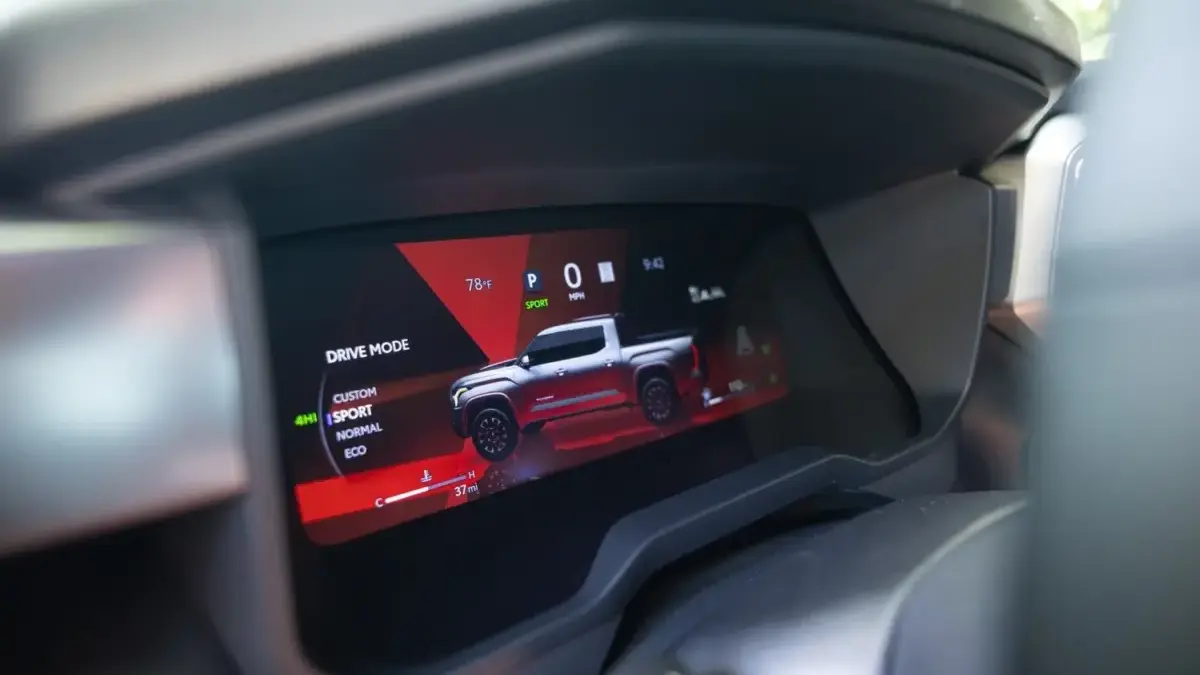
The modern automobile has officially shed its identity as a purely mechanical machine. Today, cars are sophisticated computers on wheels, functioning much like smartphones that happen to transport passengers at highway speeds. At the heart of this transformation are OTA (Over-the-Air) updates—wireless software downloads that allow vehicles to evolve, patch vulnerabilities, and unlock new capabilities while parked in a garage.
Unlike traditional vehicles that begin depreciating and aging the moment they roll off the dealership lot, OTA-enabled cars can actually improve over time. Whether it is a minor tweak to the infotainment layout, an optimization of battery thermal management in an electric vehicle (EV), or a critical patch for a braking module, wireless updates have redefined the boundary between hardware and software.
However, this transition introduces complex new challenges. While drivers enjoy the convenience of avoiding dealership trips for software bugs, the automotive industry must grapple with heightened cybersecurity risks, system stability issues, regulatory compliance, and consumer data privacy. As international standards like UNECE R155 and R156 take full effect, keeping a car’s software updated has become just as vital to routine maintenance as checking tire pressure or changing engine oil.
Chronology: The Evolution of Automotive Software
To understand how cars became dependent on remote software patches, it is helpful to trace the digital evolution of the modern vehicle:
- The Late 20th Century (1980s–1990s): The introduction of Electronic Control Units (ECUs) to manage basic engine functions, fuel injection, and emissions. Diagnostics required physical cables plugged into an On-Board Diagnostics (OBD) port at a specialized mechanic shop.
- The Early 2000s: Infotainment systems and early GPS navigation emerge. Updating maps or fixing stereo glitches requires inserting physical media, such as CDs, DVDs, or proprietary USB drives, directly into the vehicle’s hardware ports.
- The Tesla Disruption (2012): With the mass adoption of the Tesla Model S, the automotive industry witnesses its first true "computer on wheels." Tesla pioneers comprehensive OTA updates, proving that entire vehicle dynamics, instrument clusters, and powertrain behaviors can be altered remotely over cellular networks.
- The Mainstream Shift (Late 2010s–2020s): Legacy automakers—pressured by the EV revolution and consumer demand for seamless digital ecosystems—begin overhauling their vehicle architectures. Zonal and centralized computing replace dozens of isolated microcontrollers, paving the way for widespread OTA implementation across mainstream brands.
- Regulatory Era (Mid-2020s onwards): Governing bodies, particularly in Europe, introduce stringent frameworks (such as UNECE regulations R155 and R156) mandating rigorous cybersecurity management systems and secure software update processes for all newly homologated vehicles.
Supporting Data: Performance, Efficiency, and Vulnerability
The impact of OTA updates goes far beyond cosmetic menu changes. By altering underlying code, manufacturers can fundamentally modify a vehicle’s physical performance.
1. Powertrain and Battery Optimization
In electric vehicles, software governs every interaction between the battery management system (BMS), inverter, and electric motors. Through OTA updates, manufacturers have successfully:
- Extended Range: Fine-tuning thermal management algorithms to minimize energy loss during cold weather conditions can yield noticeable range improvements.
- Enhanced Acceleration: High-profile cases—most notably by Tesla and select performance EV manufacturers—have demonstrated the ability to shave tenths of a second off a car’s 0–100 km/h (0–60 mph) time simply by rewriting torque-delivery algorithms.
- Charging Speeds: Optimizing pre-conditioning curves allows batteries to accept higher currents safely at DC fast-charging stations, drastically cutting down long-distance travel times.
2. The Economic Impact on Recalls
Historically, a software glitch or bug in a critical system meant a massive, costly logistical nightmare: recalling millions of physical vehicles to dealerships for manual flashes.
- Cost Reduction for Manufacturers: OTA patches allow manufacturers to resolve software-based safety or operational flaws instantly and remotely, saving billions in labor and warranty costs.
- Time Savings for Consumers: Instead of spending a morning waiting at a service center, vehicle owners receive notifications overnight, waking up to a fully patched car.
3. The Cybersecurity Surface Area
Connectivity is a double-edged sword. According to automotive cybersecurity research:
- A modern connected car contains over 100 million lines of code—more than a commercial airliner.
- Each connected entry point (Bluetooth, Wi-Fi, cellular telematics, and keyless entry) represents a potential vector for malicious infiltration.
- Without robust end-to-end encryption, digital certificates, and hardware security modules (HSMs), malicious actors could theoretically intercept wireless update packets or inject unauthorized code into safety-critical networks like steering and braking.
Official Responses and Regulatory Frameworks
As the reliance on wireless updates deepens, global regulators and automotive groups have stepped in to establish strict guardrails. The Wild West era of unregulated automotive hacking and hasty software deployment is rapidly coming to an end.
The UNECE R155 and R156 Directives
The United Nations Economic Commission for Europe (UNECE) introduced groundbreaking regulations that have effectively set the global standard for connected vehicles:
- UNECE R155 (Cybersecurity Management System): Requires automotive manufacturers to prove they have comprehensive systems in place to identify, assess, and mitigate cyber threats throughout a vehicle’s entire lifecycle—from design to post-production scrap.
- UNECE R156 (Software Update Management System – SUMS): Mandates that manufacturers maintain secure records of all software versions installed in every vehicle. It ensures that updates cannot compromise vehicle safety and that consumers are clearly informed of what changes an update brings.
Manufacturer Stances and Safety Protocols
Major automotive groups—including the Volkswagen Group, Ford, Stellantis, and Toyota—have adopted multi-layered defense strategies to protect their ecosystems:
- Staging and Rollouts: Updates are rarely pushed to all vehicles simultaneously. Manufacturers use phased rollouts (canary deployments) to monitor for unexpected bugs or system crashes on a small subset of vehicles before scaling up.
- Fail-Safe Architecture: Modern architectures feature dual-bank memory partitions. If an OTA update fails or becomes corrupted midway through installation, the system can automatically revert to the previous stable backup version, preventing the car from becoming permanently disabled ("bricked").
Implications for the Future of Vehicle Ownership
The shift toward software-defined vehicles carries profound implications for consumers, the aftermarket industry, and the concept of vehicle longevity.
1. The Threat of Technological Obsolescence
Just as a smartphone from five years ago may no longer support the latest operating system, cars face a similar fate.
- Hardware Bottlenecks: While software can be updated infinitely, physical hardware (processors, sensors, modems) cannot. Eventually, older vehicles will reach a hardware ceiling where newer features or security protocols are simply incompatible with their aging microchips.
- Lifecycle Support: Consumers must consider how long a manufacturer promises software and security support. If a brand drops cloud services or ceases server maintenance for an older model, the vehicle’s connected capabilities could degrade over time.
2. Privacy and Data Harvesting
To deliver personalized experiences and predictive maintenance alerts, connected cars constantly harvest vast amounts of data: driving habits, location history, cabin telemetry, and charging routines.
- While manufacturers argue this data is anonymized and used strictly for product improvement, it raises significant privacy concerns.
- Vehicle owners are increasingly forced to navigate complex privacy policies and consent forms upon activating their connected services.
3. Best Practices for Safe Over-the-Air Updates
To ensure a smooth updating experience and avoid potential disruptions, industry experts recommend the following guidelines for vehicle owners:
- Stable Environments: Perform large updates while parked in a secure location, such as a private garage, with a stable Wi-Fi connection if recommended by the manufacturer.
- Battery Health: Ensure the 12-volt auxiliary battery is in good health and adequately charged. Because the main high-voltage battery or secondary systems rely on the 12V system to power control modules during a flash, a weak battery can interrupt the writing process.
- Never Interrupt: Once an installation sequence has begun, never attempt to turn on the ignition, drive the car, or disconnect power sources unless explicitly instructed by the system prompt.
- Prioritize Safety Patches: Do not ignore critical safety or cybersecurity updates. Delaying these updates can leave your vehicle vulnerable to newly discovered exploits or leave driving assist systems operating on suboptimal logic.
Conclusion
Over-the-air updates have transformed the automobile from a static consumer good into a dynamic, evolving platform. They offer unprecedented convenience, push the boundaries of vehicle performance, and allow manufacturers to correct safety flaws with unprecedented speed.
Yet, this digital frontier requires eternal vigilance. As cars become increasingly reliant on lines of code rather than mechanical linkages, cybersecurity, data privacy, and software stability will remain top priorities for engineers, regulators, and drivers alike. Ultimately, embracing the software-defined vehicle means accepting that maintaining a car’s digital health is just as critical as caring for its mechanical heart.

Leave a Reply