

By Automotive News Desk
Published: July 2026
Mercedes-Benz has officially pulled the covers off the highly anticipated third-generation Mercedes-Benz GLA. Marking a monumental shift in Stuttgart’s product strategy, this new compact luxury SUV does more than simply replace its predecessor—it effectively absorbs and supersedes both the outgoing internal combustion GLA and its electric sibling, the EQA.
By unifying its compact portfolio under a single, highly flexible architecture, Mercedes-Benz is laying down the gauntlet to longtime rivals Audi and BMW. Built upon the advanced MMA (Mercedes Modular Architecture)—the same multi-energy platform underpinning the latest CLA and GLB models—the new GLA arrives with a radical design, bleeding-edge digital ecosystems, and a comprehensive electrified lineup spanning high-performance battery-electric vehicles (BEVs) and sophisticated 48-volt mild hybrids.
Main Facts: Engineering a Multi-Energy Paradigm
The transition to the MMA platform has allowed Mercedes-Benz engineers to completely rethink the proportions, capabilities, and packaging of its best-selling compact SUV.
In terms of physical footprint, the third-generation GLA has grown substantially. It now measures 4.57 meters in length, representing a notable 14-centimeter stretch over the outgoing model. The wheelbase has also been extended by 6 centimeters to 2.79 meters, directly translating into a more spacious cabin. While the vehicle’s width has expanded to 1.86 meters, its overall height has been slightly lowered to 1.59 meters. Coupled with a slippery aerodynamic coefficient of just 0.27, the silhouette is markedly more athletic and planted.
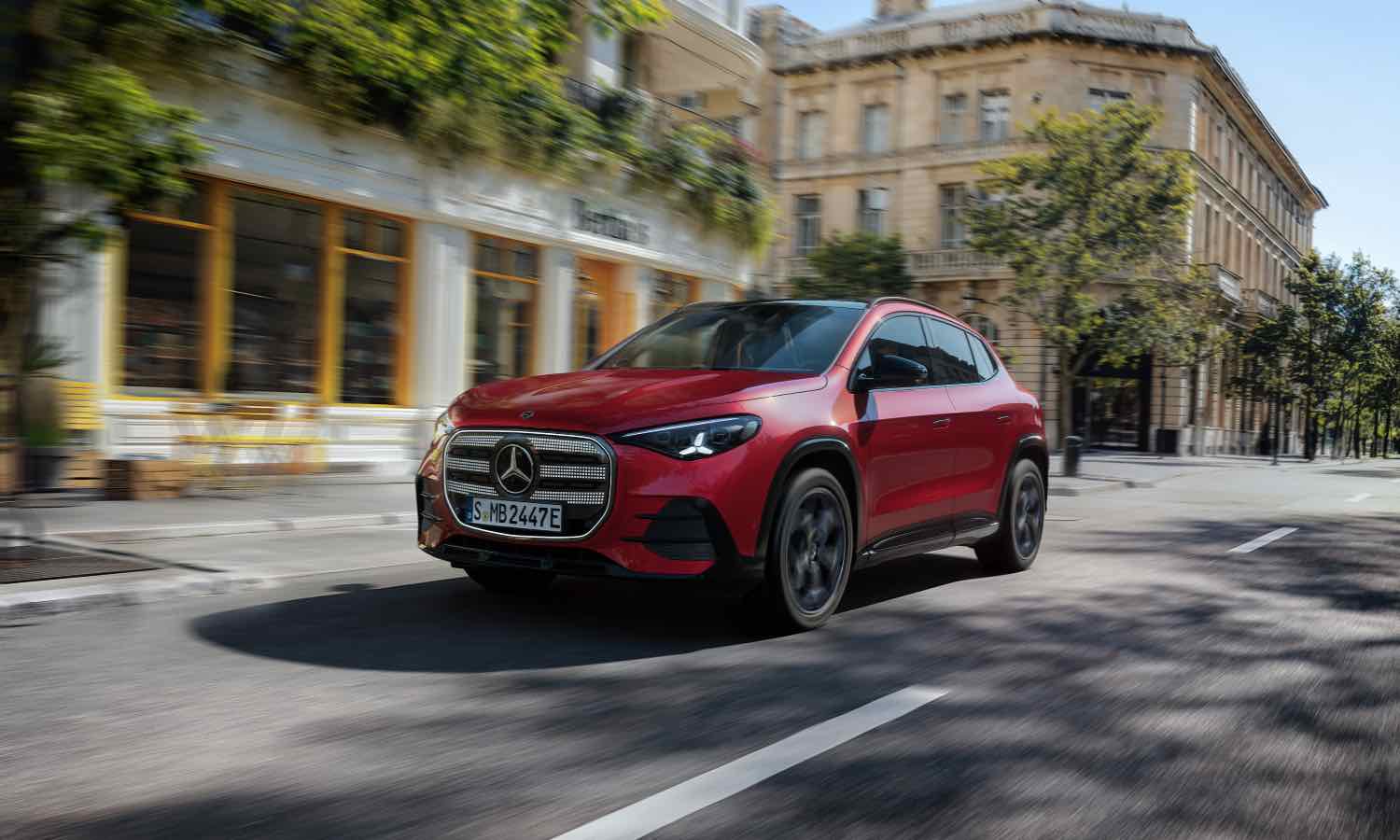
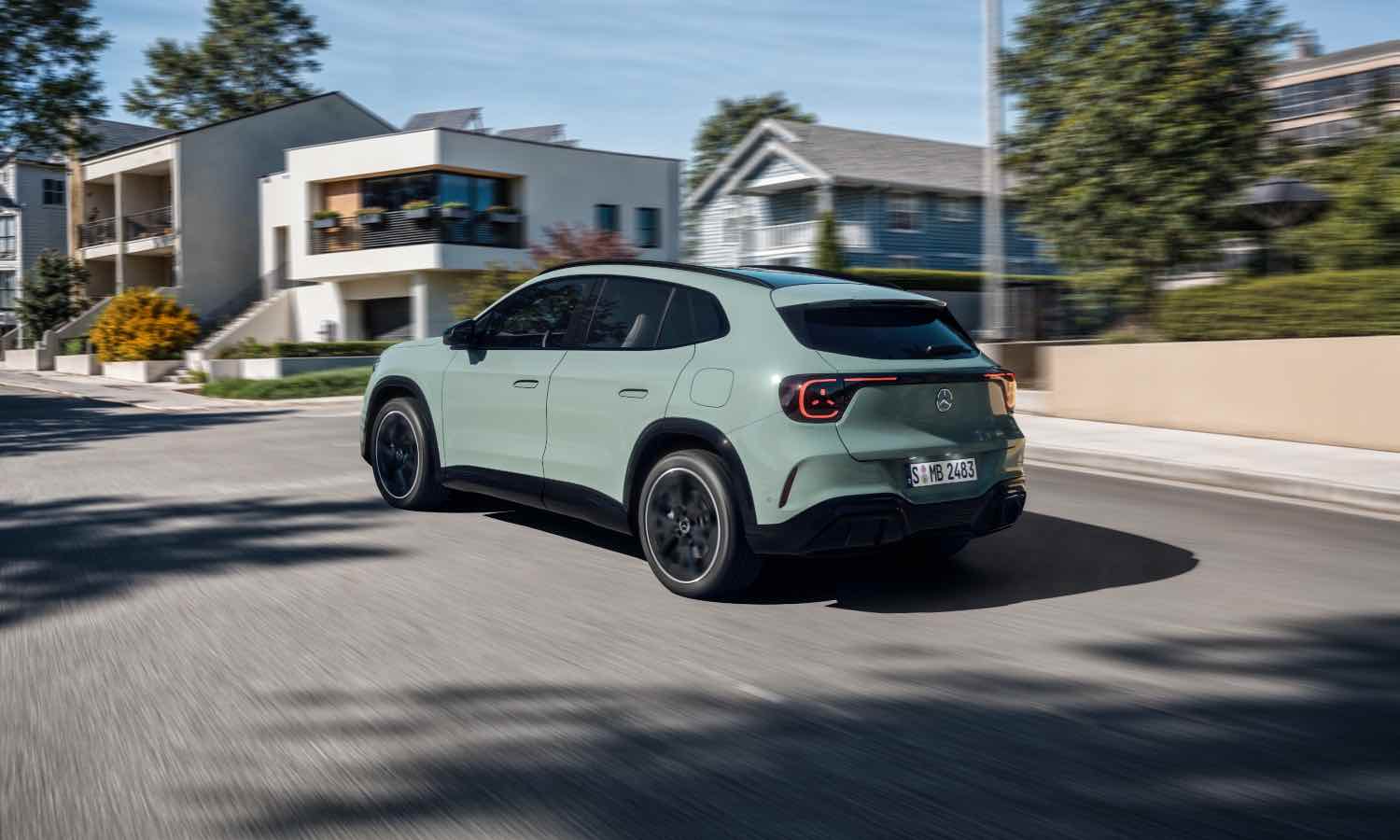
Aesthetically, the exterior styling bridges the gap between classic Mercedes elegance and futuristic EV design language. The front fascia of the electric variants commands attention via an expansive, illuminated black-panel grille embedded with 608 individual LEDs. Flanking this centerpiece are redesigned headlamps featuring the iconic three-pointed star daytime running light signature. At the rear, a continuous LED light bar stretches across the tailgate, visually widening the vehicle and emphasizing its muscular stance.
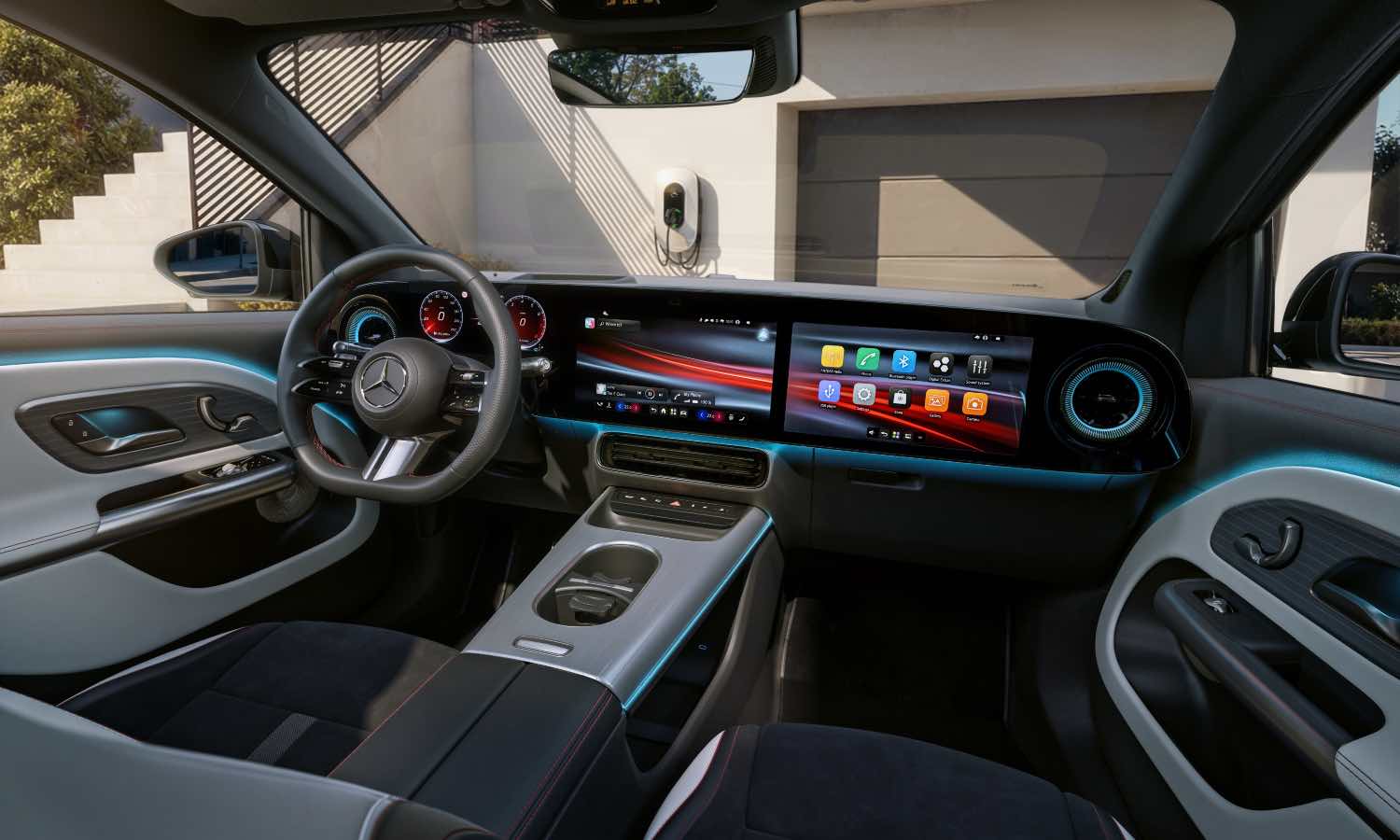
Inside, the cabin breaks new ground with the introduction of the MBUX Superscreen. This sweeping glass panel houses up to three distinct displays: a 10.25-inch digital instrument cluster, a 14-inch central touchscreen, and an optional 14-inch passenger-side entertainment display. Powered by advanced artificial intelligence, the next-generation MBUX infotainment suite integrates multiple AI models, including ChatGPT, Google Gemini, and Microsoft Bing, to create a deeply intuitive conversational assistant.
Cabin ambiance is further elevated by standard panoramic glass roofing. For those seeking maximum luxury, an optional Sky Control roof allows occupants to adjust transparency across seven independent zones, embedded with 172 luminous points that recreate a starlit night sky.
Practicality has also received a massive boost. Thanks to the stretched wheelbase, rear-seat passengers enjoy an additional 38 mm of legroom, accompanied by improved headroom. Cargo capacity climbs to 410 liters—a 70-liter improvement over the previous generation—which expands to a cavernous 1,400 liters with the 40:20:40 split-folding rear seats stowed flat. Furthermore, purely electric variants benefit from a dedicated front trunk (frunk) providing an extra 107 liters of storage space.
Chronology: From Concept Architecture to Market Rollout
The genesis of the third-generation GLA dates back to the initial rollout of Mercedes-Benz’s MMA platform strategy, designed from the ground up to accommodate both pure electric propulsion and combustion engines without architectural compromises.
- Late 2023 – 2024: Mercedes previews its electric future with concepts built on the MMA architecture, signaling the eventual convergence of its traditional and EQ-badged electric lineups.
- Early 2025: Prototypes of the third-generation GLA undergo rigorous extreme-weather testing across Arctic circles and desert heat environments, validating the 800-volt electrical architecture and thermal management systems.
- July 2026: Mercedes-Benz officially unveils the third-generation GLA to the global press, detailing its dual-pronged powertrain strategy.
- November 2026: Official market launch and first customer deliveries begin across European markets, starting with the pure-electric variants. The entry-level electric GLA 250+ establishes a base price of €54,750 in Spain.
- Early 2027: The rollout expands to include the combustion-powered mild-hybrid variants, catering to buyers seeking traditional powertrain packaging infused with electrification benefits.
Supporting Data: Powertrains, Range, and Performance Metrics
Mercedes-Benz is launching the new GLA with a clear emphasis on electrification. The powertrain matrix is divided into pure electric options available at launch and mild-hybrid combustion alternatives arriving shortly thereafter.
The Electric Lineup (BEV)
The battery-electric range consists of three distinct power tiers:
- GLA 200 Electric: Serving as the gateway to the electric range, this model produces 224 horsepower and utilizes a cost-effective 58 kWh lithium iron phosphate (LFP) battery pack.
- GLA 250+ Electric: Equipped with a larger 85 kWh nickel manganese cobalt (NMC) battery and a single front-mounted motor pushing out 272 horsepower, this variant prioritizes long-distance efficiency. It achieves an exceptional WLTP-certified range of up to 657 kilometers (408 miles), making it the efficiency champion of the lineup.
- GLA 350 4Matic Electric: The current performance and capability flagship, utilizing a dual-motor setup to deliver 354 horsepower and standard all-wheel drive. It dispatches the 0 to 100 km/h sprint in just 5.4 seconds and boasts an impressive towing capacity of up to 2,000 kilograms, a rare feat for a compact electric SUV.
Thanks to the adoption of an advanced 800-volt electrical architecture across all EV variants, the GLA supports ultra-fast DC charging speeds of up to 320 kW. In optimal conditions, plugging into a high-power charger can replenish up to 270 kilometers of range in a mere 10 minutes. For home or destination charging, an optional 22 kW AC onboard charger is available.
The Mild-Hybrid Lineup (MHEV)
For markets and drivers not yet ready to transition to full electrification, Mercedes will introduce 48-volt mild-hybrid variants in early 2027.
- These models employ a newly developed 1.5-liter turbocharged four-cylinder gasoline engine paired with a 30-horsepower (22 kW) electric motor integrated directly into a new eight-speed dual-clutch automatic transmission.
- A compact 1.3 kWh buffer battery enables low-speed electric maneuvering and allows the gasoline engine to completely decouple and shut down during coasting at speeds exceeding 100 km/h.
- Expected outputs include 156 horsepower for the front-wheel-drive GLA 180 and 211 horsepower for the all-wheel-drive GLA 220 4Matic, both securing the coveted DGT Eco label in markets like Spain.
Official Responses: Executive Insights on the New Strategy
Speaking at the global reveal event, members of the Mercedes-Benz board of management emphasized that the convergence of the GLA and EQA moniker represents a watershed moment for the brand’s customer experience.
"We listened closely to our customers and our retail partners," stated a senior Mercedes-Benz product strategy representative. "In the past, dividing our compact SUV segment into distinct combustion and electric vehicle families created unnecessary complexity. With the third-generation GLA, we have utilized the immense flexibility of the MMA platform to say: Choose your size, choose your luxury, and simply pick the propulsion system that fits your lifestyle without sacrificing design, space, or driving dynamics."
Engineers behind the MMA platform also highlighted the thermal efficiency gains of the new vehicle. "The integration of our next-generation heat pumps and optimized battery chemistry means that our drivers no longer have to compromise range during cold winter months," noted the head of vehicle powertrain development. "Achieving 657 kilometers of range in a vehicle of this size proves that electric mobility is ready for prime-time long-distance touring."
Implications: Market Positioning and Competitive Outlook
The arrival of the third-generation Mercedes-Benz GLA reverberates across the European premium compact SUV segment, directly challenging incumbents such as the Audi Q3 and BMW X1.
By streamlining its naming conventions and eliminating the EQA nomenclature, Mercedes-Benz is simplifying its showroom messaging. Buyers are no longer forced to choose between two visually disparate cars depending on their power source; the GLA is now a singular, highly recognizable brand icon available in multiple energy formats.
Furthermore, the technological leap forward—highlighted by Level 2+ semi-autonomous driving capabilities supported by an arsenal of 8 cameras, 5 radar units, and 12 ultrasonic sensors—places the GLA at the forefront of active safety tech. Features such as automated lane-changing via the turn signal stalk and the innovative "Transparent Hood" feature for the 4Matic Terrain mode underscore the vehicle’s high-tech orientation.
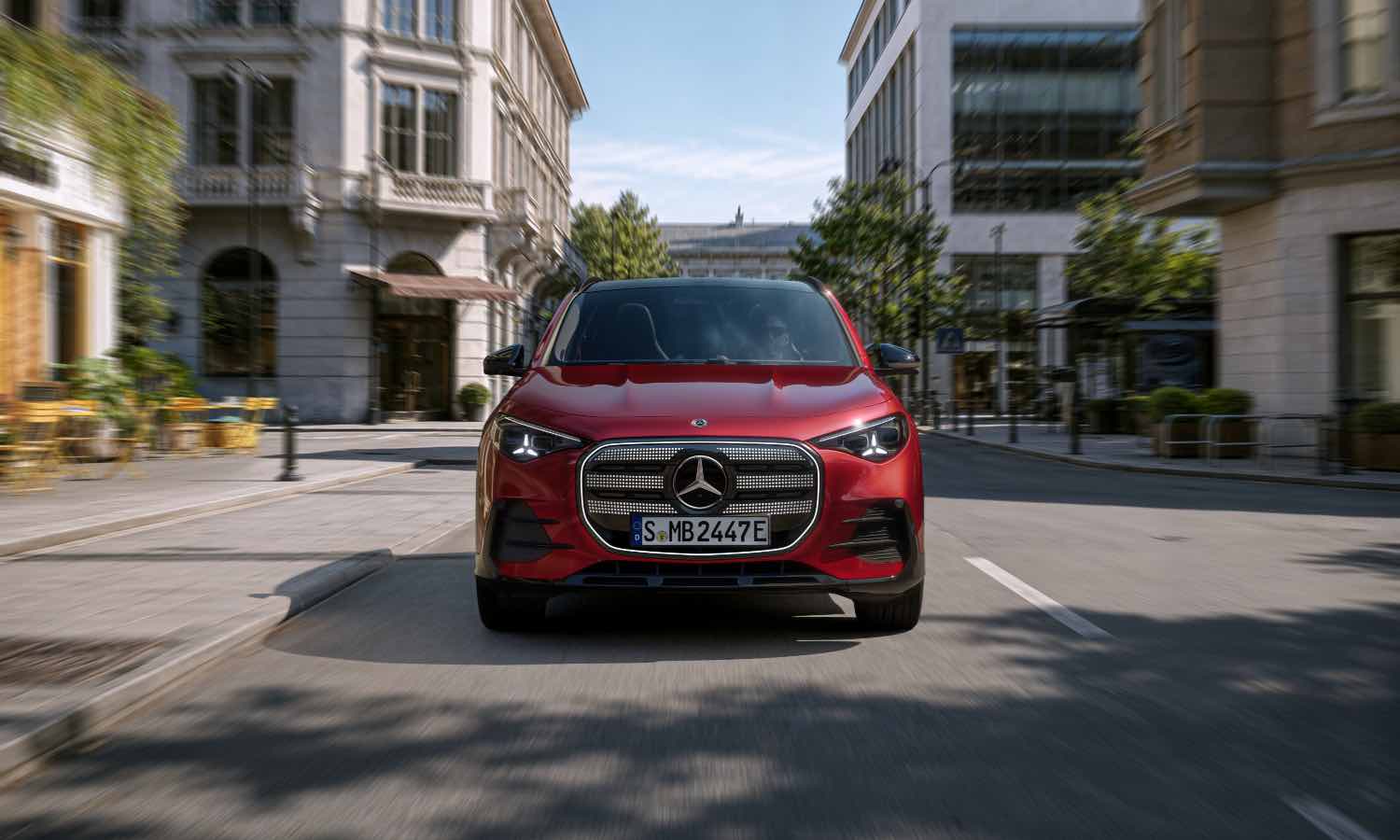
With competitive pricing starting at €54,750 for the long-range GLA 250+ Electric and a robust slate of mild-hybrid models following close behind, Mercedes-Benz has engineered a remarkably versatile contender. As deliveries ramp up toward the end of 2026 and roll into 2027, the new GLA is poised to cement Stuttgart’s dominance in the highly lucrative compact luxury segment, proving that multi-energy platforms are the pragmatic key to navigating the automotive industry’s ongoing transition.


Leave a Reply