

By Global Sports & Financial Desk
Published: September 2026
Main Facts
The landscape of Colombian professional football has rarely witnessed a financial and corporate resurrection quite like that of Envigado Fútbol Club. In September 2026, Profútbol—a private equity fund managed by Progresión Comisionista de Bolsa—officially concluded an eight-year investment cycle that turned a beleaguered, legally constrained sports institution into a highly lucrative asset.
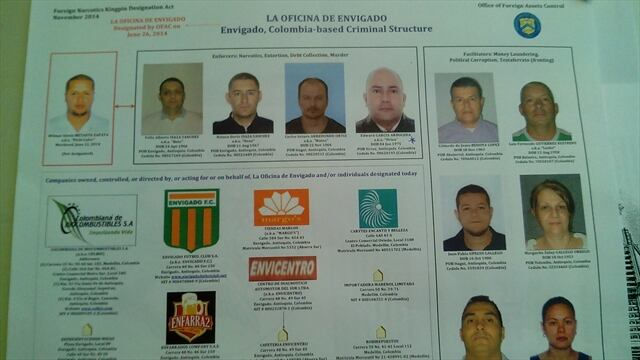
When Progresión acquired a 55% majority stake in Envigado in April 2018, the club was emerging from an existential threat. Blocked from the formal financial system, tainted by historical ownership ties to the "Oficina de Envigado," and languishing under the heavy shadow of the United States Treasury Department’s Office of Foreign Assets Control (OFAC) Specially Designated Nationals List—commonly known as the "Clinton List"—the club’s future looked bleak.
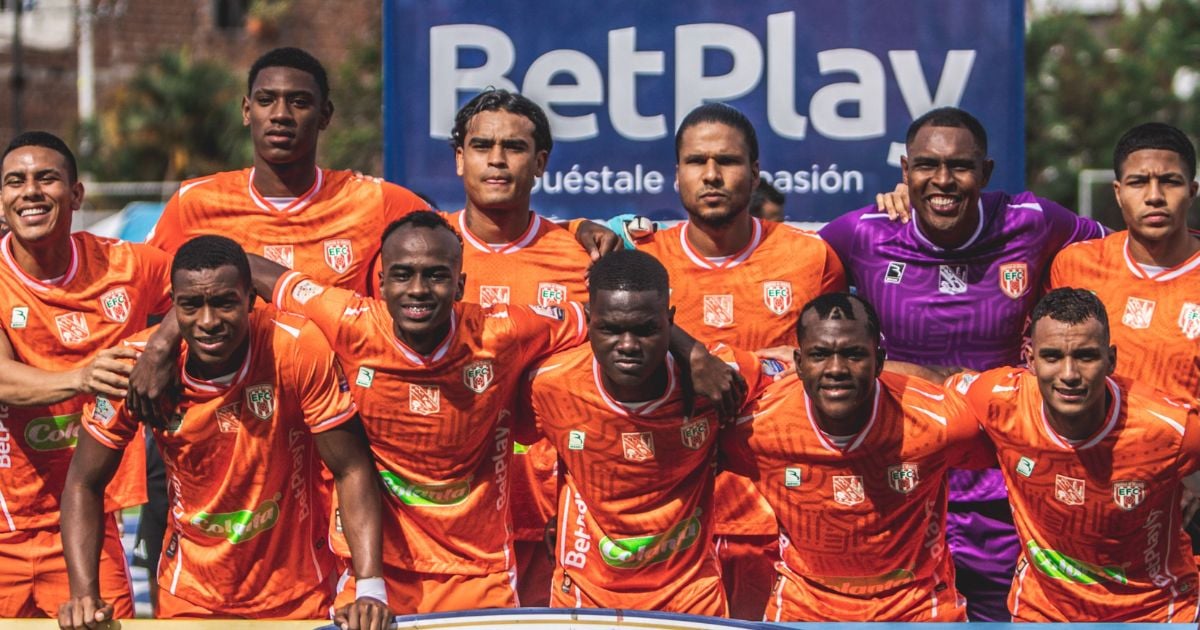
Fast forward to September 2026, and the exit metrics tell a story of remarkable financial engineering. Profútbol liquidated its 55% stake through an autonomous patrimony structure, delivering a financial balance sheet reporting 4.31 times the initial invested capital, an impressive Internal Rate of Return (TIR) of 23%, and more than COP $22,000 million distributed throughout the life of the investment vehicle.
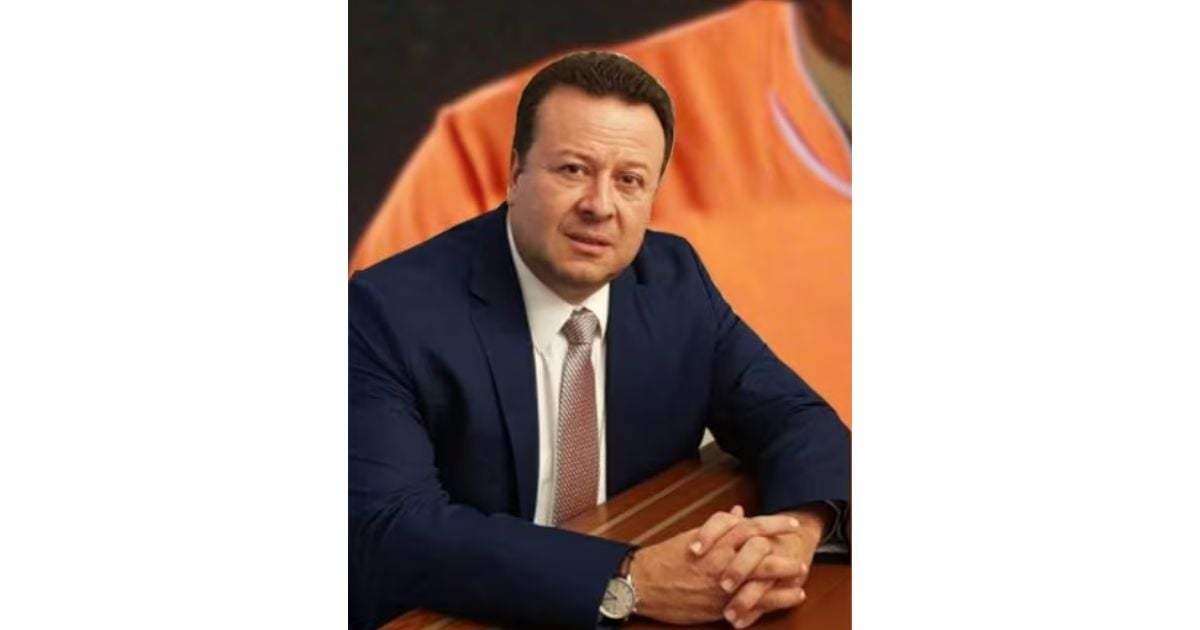
However, the conclusion of the fund’s cycle does not signal a return to the club’s troubled past. Instead, leadership of the "Orange" squad has concentrated in the hands of the Valero family—specifically attorney Luis Valero, who engineered the club’s legal liberation, and his son, Manuel Valero Rebelo, who assumed the executive presidency in August 2026.
Chronology of a Corporate Rescue
To comprehend how a private equity fund transformed a historic Colombian football team into a textbook case of venture capital success, one must trace a timeline defined by legal battles, cross-border regulatory compliance, and sporting talent cultivation.

2014: The Stigma of the Clinton List
The crisis exploded in 2014 when the United States government placed Envigado Fútbol Club on the Clinton List. The designation stemmed from historical ownership ties linking the club to individuals allegedly associated with drug trafficking and regional organized crime networks.
For a football club operating in South America, inclusion on the OFAC list is effectively a corporate death sentence. Sponsors fled, bank accounts were frozen, international transfers became nearly impossible to process, and the institution was locked out of the formal banking system. The club faced the imminent risk of liquidation or complete institutional paralysis.
2015–2018: The Legal Maze and Luis Valero
Faced with systemic collapse, the club hired Cali-born attorney Luis Valero and his partner, Horacio Luna, to dismantle the legal and financial web trapping the institution. What began as a legal mandate evolved into a deeply personal crusade.
Valero and Luna encountered a complex corporate puzzle. To satisfy U.S. authorities and Colombian regulators, they had to entirely sever ownership ties with the U.Sengup-linked Upegui family while simultaneously attracting fresh capital into an entity still blacklisted by Washington. According to interviews given to local media, Valero went as far as capitalizing a portion of his professional fees and injecting personal capital to keep the team afloat, ultimately securing a significant equity stake.
April 2018: Liberation and the Influx of Private Equity
In April 2018, years of meticulous compliance work paid off. OFAC officially removed Envigado FC from the Clinton List after exhaustive vetting by the Colombian Superintendency of Companies, the Financial Superintendency, and U.S. authorities.
Simultaneously, Profútbol—managed by Progresión Comisionista de Bolsa—stepped in, acquiring a 55% controlling stake. This transaction marked a historic milestone for Colombian sports: the first time a private equity fund formally assumed majority control of a professional football club under rigorous institutional governance.

2018–2026: The Golden Age of the Academy
With institutional stability restored, Profútbol implemented strict corporate governance protocols while leaving the club’s core athletic philosophy untouched: the development and monetization of youth talent.
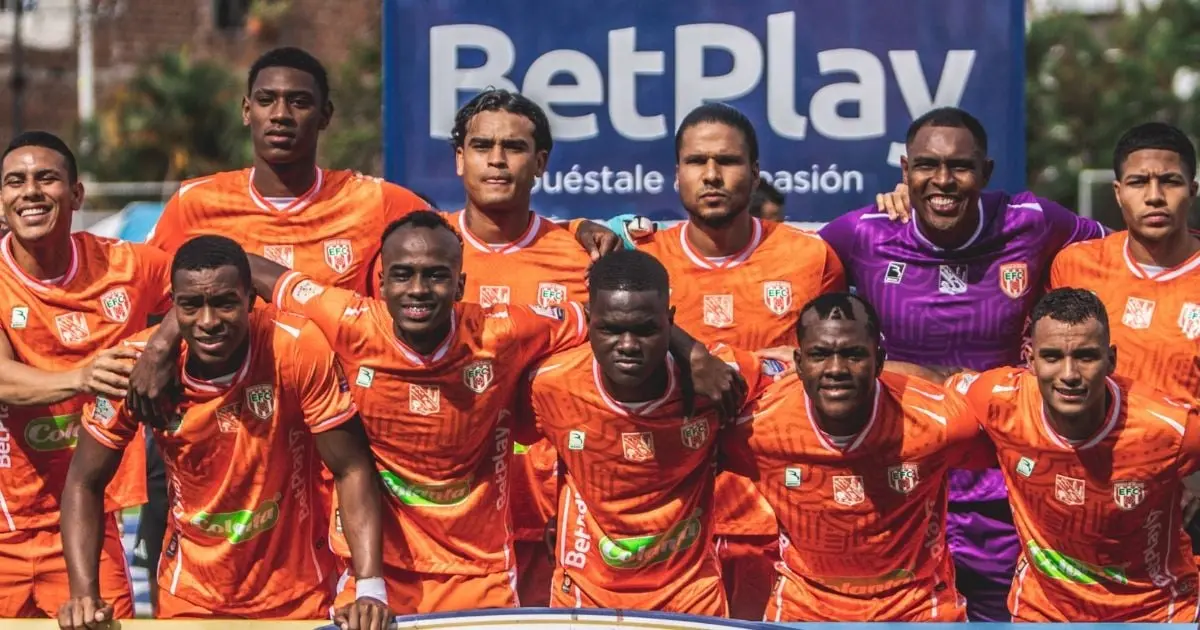
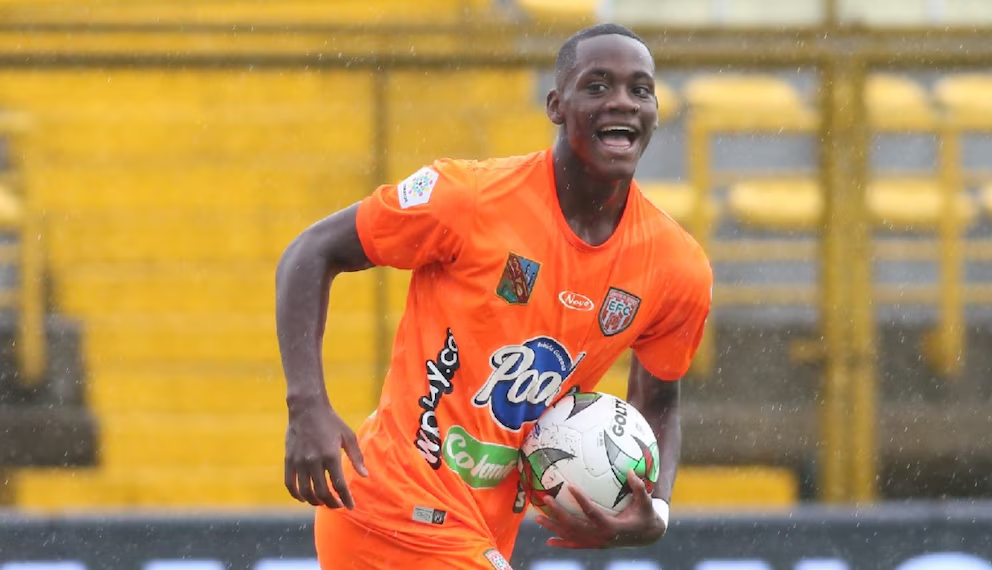
During this eight-year period, Envigado’s famed academy—la cantera de héroes—produced some of the most sought-after talents in South American football. Players like Jhon Jáder Durán and Yáser Asprilla vaulted from the orange jersey directly to European football, generating multi-million-dollar international transfer revenues that formed the bedrock of the fund’s profitability.
August–September 2026: Executive Transition and Fund Exit
In August 2026, Manuel Valero Rebelo—who had served for over six years as Envigado’s sports manager—was appointed executive president, replacing Óscar Armando Astudillo. Weeks later, in September 2026, Profútbol finalized its exit strategy, transferring its majority stake into an autonomous patrimony structure and closing the books on an unprecedented eight-year financial run.
Supporting Data and Financial Metrics
The financial performance of the Profútbol investment vehicle highlights the convergence of private equity discipline with the high-risk, high-reward nature of sports business management.
According to reports released by Progresión Comisionista de Bolsa upon the closure of the investment vehicle, the key financial indicators of the Envigado FC operation include:
- Equity Multiple: 4.31x the initial capital invested.
- Internal Rate of Return (TIR): 23% annualized return throughout the 8-year holding period.
- Cash Distribution: More than COP $22,000 million distributed to investors over the lifecycle of the fund.
- Ownership Stake: 55% controlling interest acquired in 2018 and successfully divested in September 2026.
- Player Export Value: Dozens of international player sales handled through the academy system, directly bolstering the club’s operational cash flow and asset valuation.
Alexander González, president of Progresión Comisionista de Bolsa, noted that the success of the fund rested on recognizing that Envigado was not merely a traditional sports club, but an export-oriented talent incubator operating with corporate precision.
Official Responses and Stakeholder Perspectives
The unique nature of the transaction—transitioning from an international legal crisis to a private equity success story—prompted commentary from key financial and institutional leaders.
Progresión Comisionista de Bolsa (via President Alexander González):
In official statements regarding the fund’s liquidation, the management firm emphasized that the investment transcended traditional football administration. González highlighted that partnering with Envigado allowed the fund to demonstrate how institutional governance, transparent accounting, and professional management could elevate a regional sports asset into a high-yield investment vehicle. The firm underscored that the academy model was the primary engine of both athletic competitiveness and financial return.
The Valero Family and Executive Leadership:
While Profútbol has exited its direct role through the investment vehicle, the continuity of the institution is heavily anchored in the Valero family. Luis Valero’s long-term commitment—which evolved from legal counsel to equity holder—has now been complemented by Manuel Valero Rebelo taking the helm as executive president.
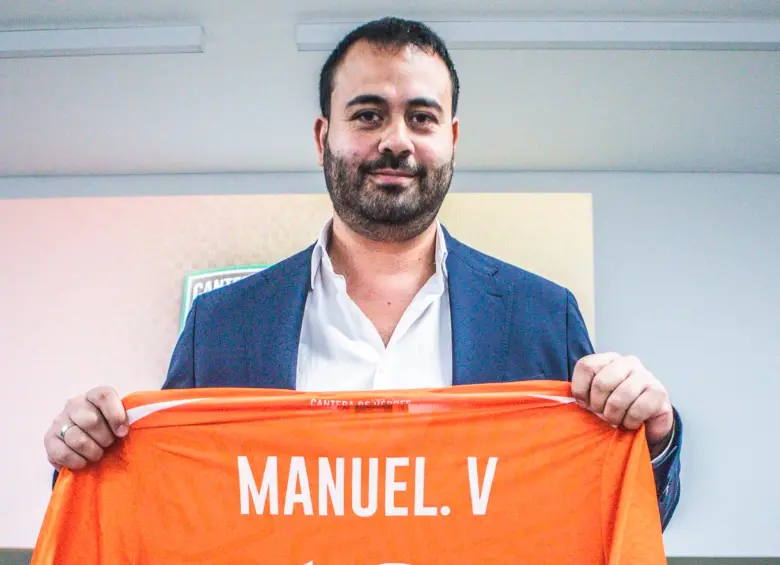
In his inaugural addresses following his August 2026 appointment, Manuel Valero stressed that the club’s immediate focus is twofold: consolidating a robust governance framework independent of short-term speculative pressures, and executing a competitive sporting strategy aimed at securing Envigado’s return to Colombia’s top-tier Primera A division.
Implications for Colombian Football and Corporate Governance
The conclusion of Profútbol’s investment in Envigado FC carries profound implications for the broader ecosystem of Colombian professional sports:
- Validation of Private Equity in Football: For decades, Colombian football clubs operated as family-owned businesses or associations vulnerable to informal financing and governance opacity. The Envigado-Profútbol case proves that institutional private equity can enter the domestic market, clean up complex legal liabilities, professionalize management, and deliver stellar double-digit returns to investors.
- The Power of Talent Incubators: The economic success of the fund underscores that mid-sized clubs in Latin America cannot compete with major corporate-backed giants on gate receipts or television broadcasting rights alone. Sustainable profitability requires treating youth academies as industrial export engines.
- The Shift in Ownership Structures: By utilizing an autonomous patrimony structure for its exit rather than a direct, public sale to a single named buyer, the transaction signals a sophisticated evolution in fiduciary asset management within Colombian sports law. While the ultimate beneficiaries of the autonomous patrimony remain shielded for now, the transition ensures that the club’s day-to-day operations are insulated from sudden ownership shocks.
- A New Era for Envigado: As Manuel Valero Rebelo takes over executive operations, the club enters a transitional phase. Freed from the historical stigma of the Clinton List and the pressure points of a liquidating private equity fund, Envigado FC stands as a modernized institution facing the sporting challenge of regaining its historic place in Colombia’s elite football division.




Leave a Reply