

Main Facts
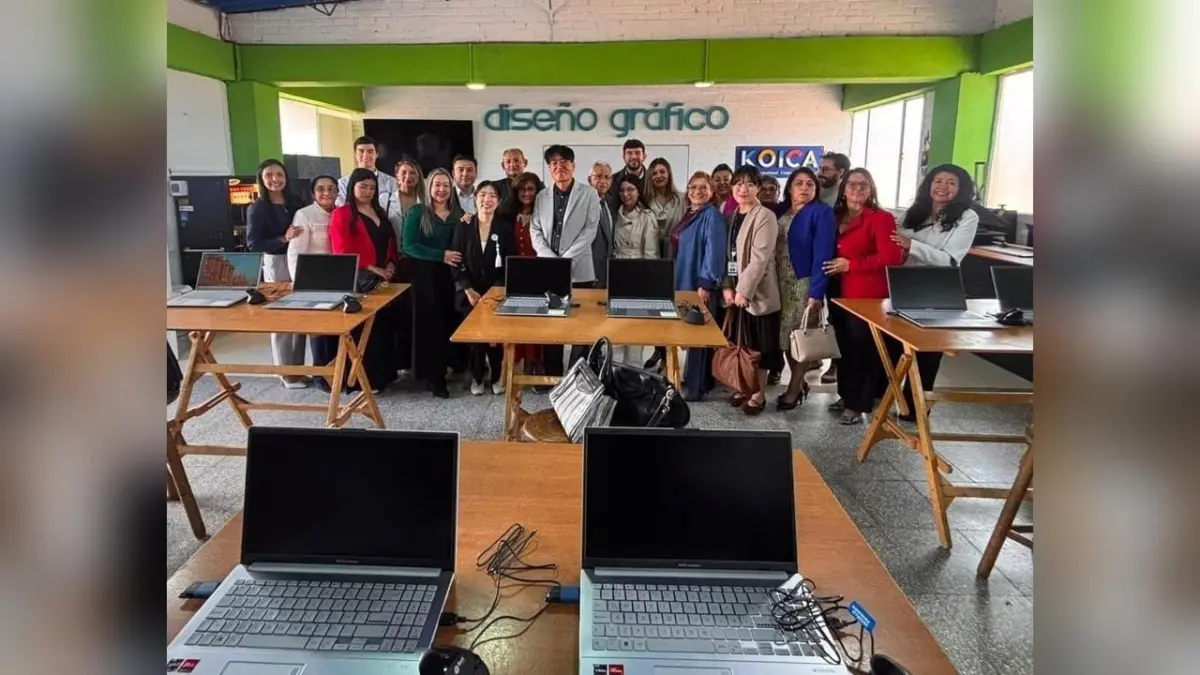
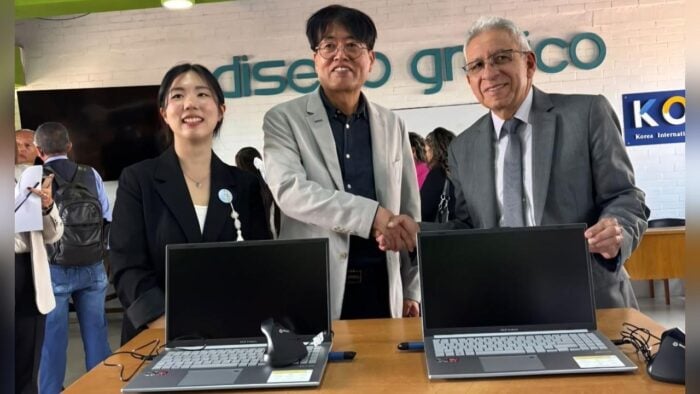
South Korea continues to deepen its strategic partnership with Colombia through impactful regional development initiatives, most notably via the Korea International Cooperation Agency (KOICA). In a recent milestone for bilateral cooperation, KOICA spearheaded a significant modernization project at the Institución Educativa Técnica Bellas Artes in Sogamoso, Boyacá.
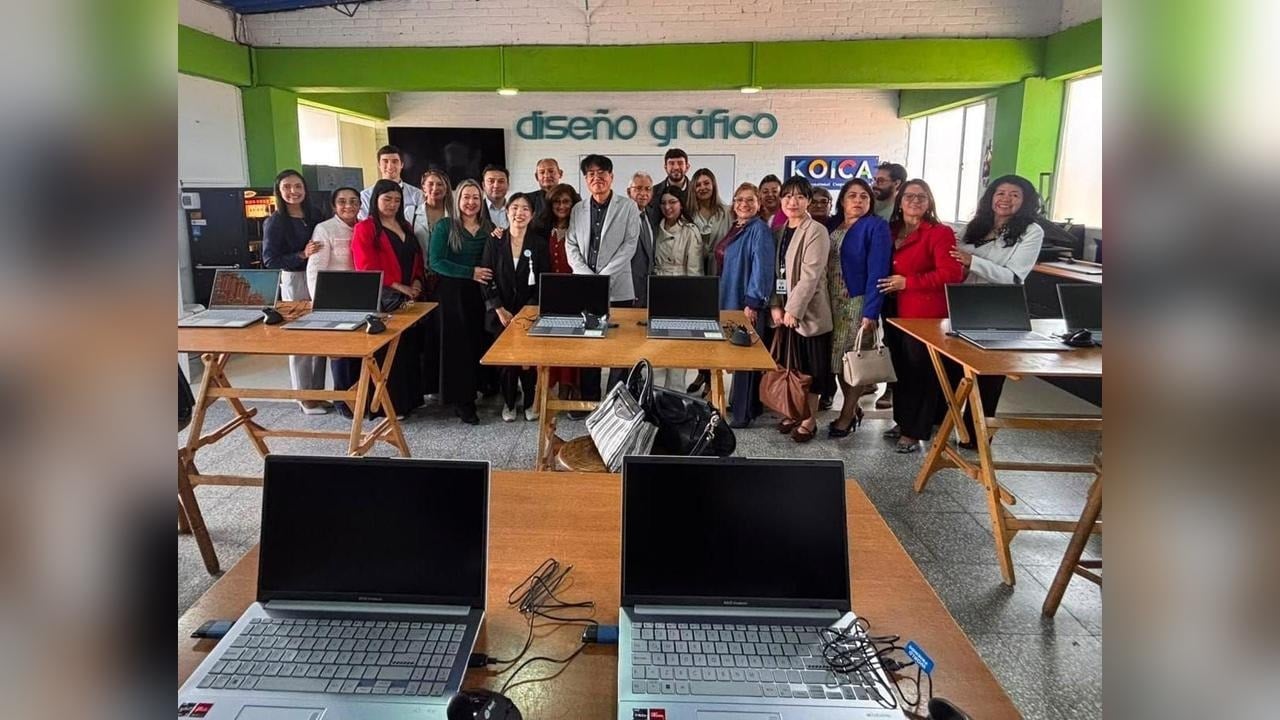
Valued at approximately $50 million COP, the initiative—executed under KOICA’s On-Site project framework—has thoroughly upgraded the school’s graphic design facilities. The modernization effort provides cutting-edge technological equipment, enhanced digital tools, and improved learning environments for approximately 1,300 students ranging from preschool and primary to secondary and technical high school grades.
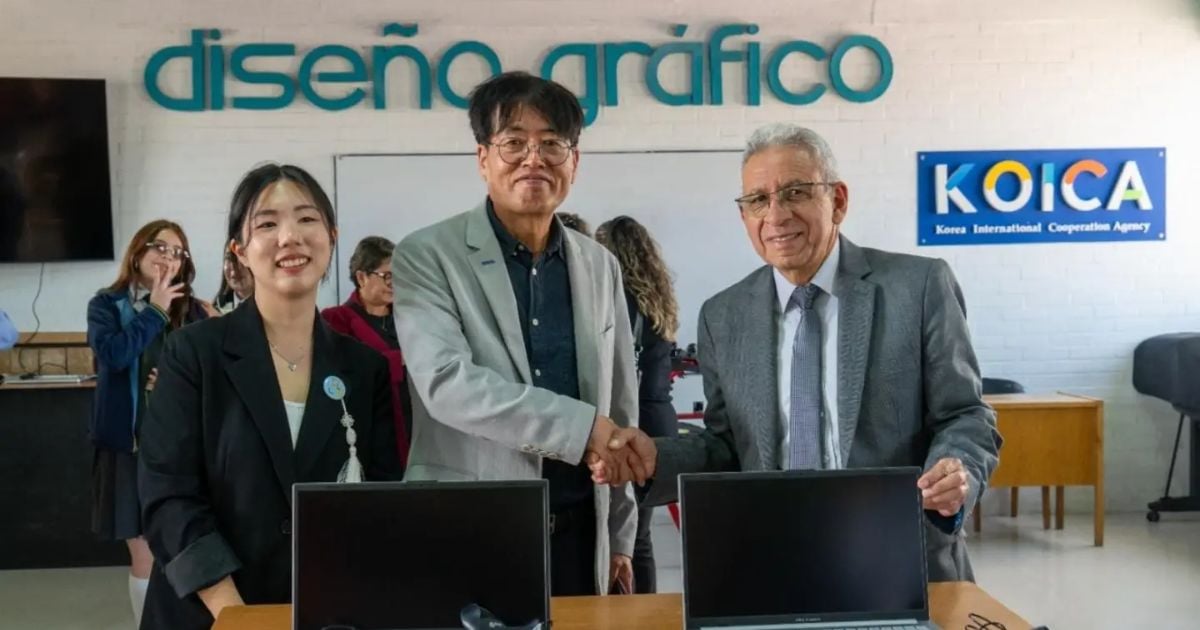
This educational uplift in Boyacá is part of a broader, multi-million-dollar cooperation portfolio overseen in Colombia by Jung Wook Lee, Director of KOICA Colombia, working in close coordination with Alexandra Palencia Garnica, Director of the Colombian Presidential Agency for International Cooperation (APC Colombia). Together, these agencies are aligning technical capacities, financial resources, and institutional expertise to foster sustainable development across various regions of Colombia, touching sectors as diverse as green technology, maritime innovation, and grassroots education.
Chronology of Cooperation: Milestones in the Bilateral Partnership
The expansion of South Korean cooperation in Colombia has accelerated steadily over recent years, characterized by institutional frameworks, high-level agreements, and grassroots interventions.

- 2009: The South Korean government officially establishes the World Friends Korea (WFK) program, unifying various international volunteer initiatives to deploy specialized professionals across 53 countries in Asia, Africa, Latin America, Eastern Europe, and the Middle East.
- Late 2023: Jung Wook Lee assumes the role of Director of KOICA Colombia, succeeding Jong Min Park. Under Lee’s leadership, the agency pivots toward large-scale technological, environmental, and educational interventions across the country.
- August 2025: Plutarco Huérfano assumes the rectory of the Institución Educativa Técnica Bellas Artes in Sogamoso, taking over administrative leadership from the previous administration of Lenin Vargas and ensuring continuity for the burgeoning partnership with international entities.
- May 2026: KOICA and APC Colombia sign a landmark Memorandum of Understanding (MoU) in Santa Marta. Headed by KOICA Director Jung Wook Lee and APC Director Alexandra Palencia Garnica, the agreement establishes a roadmap for joint initiatives in digital governance, climate change mitigation, agricultural innovation, and sustainable productivity.
- Mid-2026: The On-Site project at Bellas Artes reaches its operational zenith. Backed by the efforts of WFK volunteer Jin Jeong, the newly equipped graphic design laboratory opens its doors, directly benefiting the 1,300 students of the Boyacá institution through enhanced technical instruction and cultural exchange programs.
Supporting Data and Major Project Portfolios
The Sogamoso educational upgrade, while modest in financial scale compared to national infrastructure projects, exemplifies KOICA’s grassroots approach. However, it operates alongside massive multilateral investments managed by the agency in Colombia.
1. The Sogamoso Technical Education Initiative (Boyacá)
- Total Investment: ~$50 million COP.
- Beneficiaries: ~1,300 students (preschool through technical media).
- Core Intervention: Modernization of the graphic design laboratory, supply of advanced hardware and software, and enhancement of teacher training.
- Cultural Component: Integration of Korean language and calligraphy workshops, fostering cross-cultural understanding between Colombian youth and South Korean volunteers.
2. Medellín Circular Economy and Waste Management Program
- Total Project Cost: $16.4 million USD.
- KOICA Contribution: $11.2 million USD.
- Objective: To revolutionize solid waste management systems in Medellín and the Aburrá Valley, significantly reducing greenhouse gas emissions and establishing urban models of sustainable resource recovery.
3. Cartagena Center for Technology and Innovation for the Metal-Mechanical Industry
- Objective: To boost the competitiveness, technological capacity, and operational standards of small and medium-sized enterprises (SMEs) operating within Colombia’s naval and maritime sectors.
Official Responses and Institutional Leadership
The success of these collaborative ventures relies heavily on the synergy between international development experts and local institutional leaders.
The On-Site Driving Force: Jin Jeong and WFK
Behind the transformation of the Bellas Artes graphic design lab stands Jin Jeong, a dedicated volunteer from KOICA’s World Friends Korea (WFK) program. Recognizing the infrastructural gap in technical training at the Sogamoso institution, Jeong championed the project, working alongside local educators to secure resources and design a functional, modern pedagogical space. The WFK program remains a vital instrument of South Korea’s soft power, embedding skilled professionals directly into developing communities to enact targeted, bottom-up change.
High-Level Alignment: Jung Wook Lee and Alexandra Palencia Garnica
At the national policy level, the partnership between KOICA and APC Colombia has been galvanized by Jung Wook Lee and Alexandra Palencia Garnica. Following the signing of their strategic Memorandum of Understanding in Santa Marta, both directors emphasized the necessity of a cohesive approach to sustainable development.
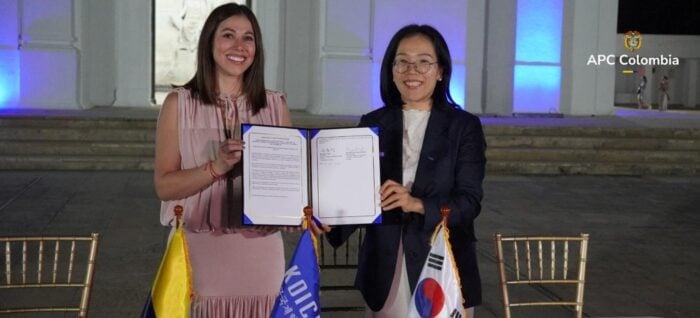
The MoU is designed to pool resources for high-impact initiatives. Palencia, whose professional background includes financial management and institutional strategy within regional development sectors, has underscored APC Colombia’s commitment to ensuring that international aid is channeled transparently and effectively into areas requiring structural transformation.
Local Educational Leadership
At the institutional level in Boyacá, Rector Plutarco Huérfano—drawing on his extensive administrative experience from previous leadership roles at the Nuestra Señora de Morcá and Inseandes educational institutions—has embraced the international partnership. Alongside coordinator Carolina Montaña and educator Camilo Avella, Huérfano has integrated the newly acquired technological resources into the core academic curriculum, ensuring that students are equipped with marketable digital skills upon graduation.

Implications for Regional Development and Bilateral Relations
The collaboration between South Korea and Colombia in regions like Sogamoso, Medellín, and Cartagena carries profound socio-economic implications.
Bridging the Digital and Technical Divide
By investing in institutions outside major metropolitan hubs like Bogotá or Medellín, KOICA addresses historical inequalities in access to technical education. The modernization of facilities at Bellas Artes equips students from non-traditional academic backgrounds with professional-grade tools in graphic design, opening pathways to higher education, freelancing, and specialized technical employment in the digital economy.
Strengthening Soft Power and Cultural Diplomacy
Beyond hardware and capital investment, these projects foster deep cultural ties. Programs incorporating Korean language instruction, calligraphy, and direct interaction with international volunteers dismantle geographic barriers, instilling global perspectives in rural and regional Colombian youth.
A Model for Decentralized International Cooperation
The partnership framework established between KOICA and APC Colombia serves as a blueprint for effective South-South and triangular cooperation. By linking international development agencies directly with municipal schools, regional environmental authorities, and local industrial clusters, South Korea’s cooperation model proves that targeted, needs-based investments can yield exponential dividends in sustainable human development across Colombia.

Leave a Reply