

Gastronomy Desk
Published by Culinary Insights & Global Food Review
Main Facts: The Science and Secrets of the Peruvian Rocoto
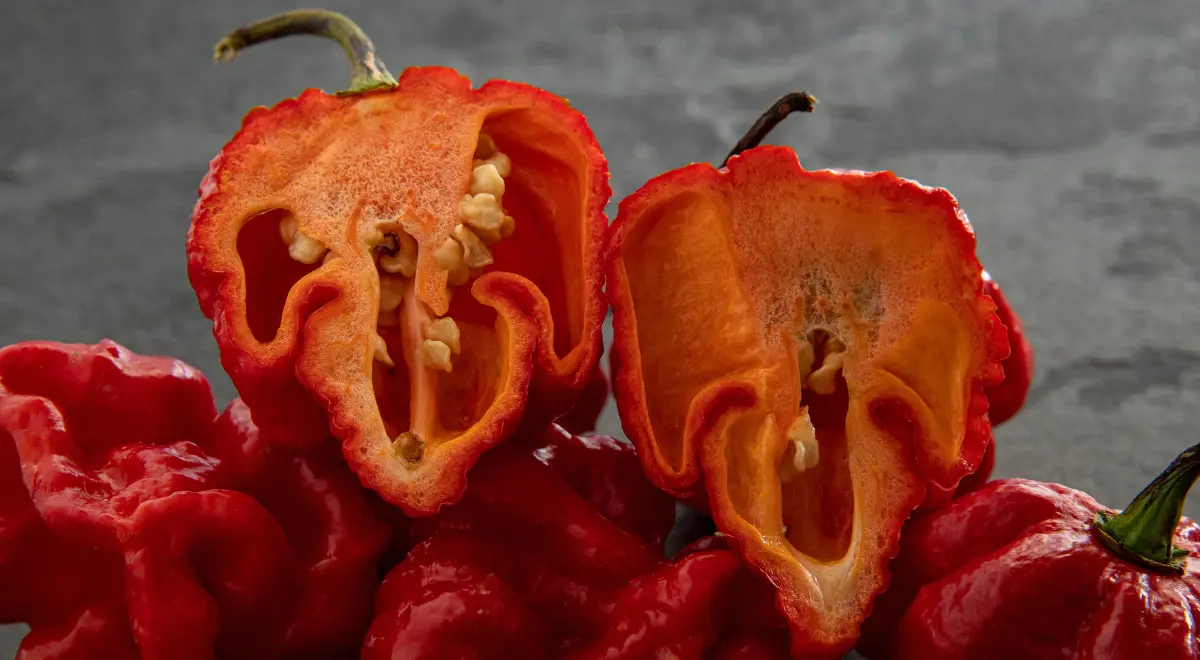
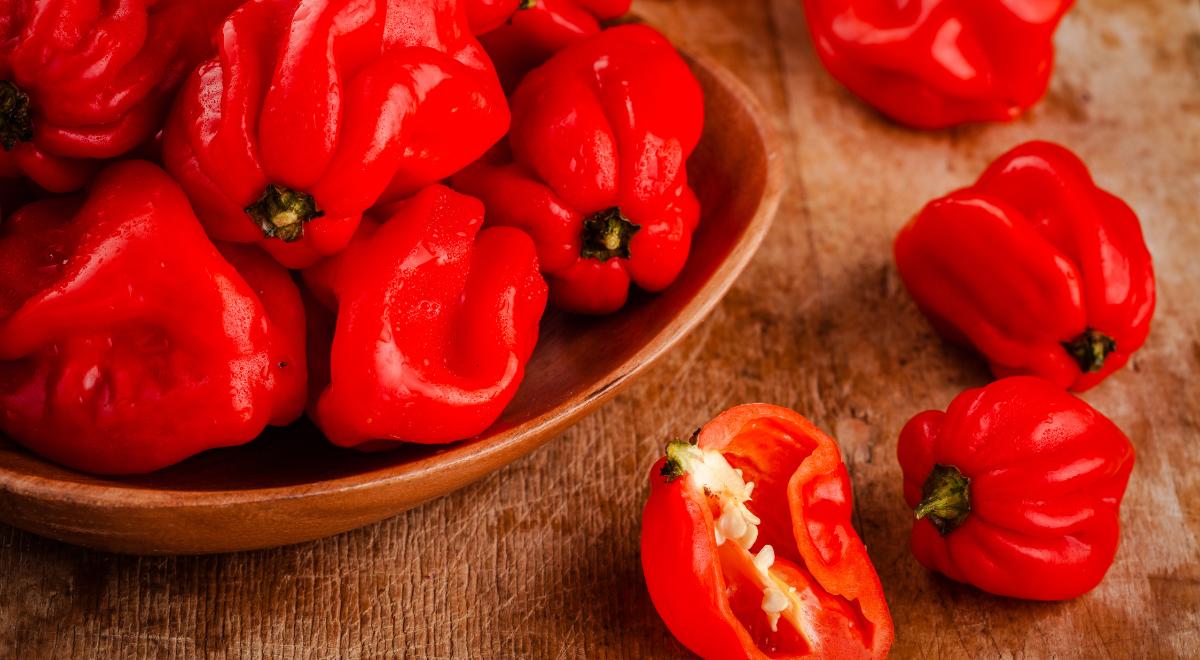
Few ingredients hold as much reverence and culinary power in Peruvian cuisine as the rocoto (Capsicum pubescens). Known for its distinctive apple-like shape, thick flesh, and fiery disposition, it is the beating heart behind countless traditional dishes, from the iconic rocoto relleno to vibrant cremes and salsas. However, working with this formidable pepper has always involved a degree of guesswork—until now.
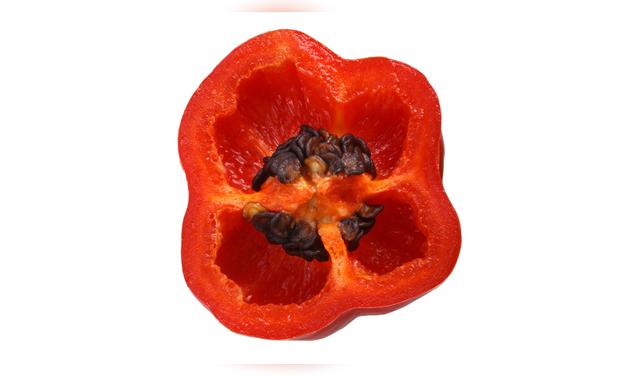
According to seasoned Peruvian culinary experts, home cooks and professional chefs alike no longer need to rely on trial and error to gauge the intensity of a rocoto before cutting into it. The secret lies hidden in plain sight, waiting inside the cavity of the pepper: the color of its seeds.
While conventional wisdom often assumes that the entirety of a pepper’s heat is distributed evenly throughout its flesh, science tells a different story. The highest concentration of capsaicin—the chemical compound responsible for the burning sensation—resides in the white pith and internal veins of the fruit. Yet, when it comes to a quick visual assessment at the cutting board, the seeds serve as the ultimate barometer.
- Moderate Heat (Light to Dark Brown Seeds): When the seeds exhibit a softer, brownish hue, the rocoto typically delivers a manageable, balanced kick that enhances dishes without overwhelming the palate.
- Extreme Heat (Pitch-Black Seeds): When the seeds are completely black, the chef is dealing with a high-intensity specimen capable of delivering a formidable, scorching burn.
This simple visual hack allows culinary enthusiasts to tailor their recipes dynamically, adjusting proportions or selecting specific fruits depending on the desired heat profile of their dish.
Chronology: The Journey of the Rocoto from Ancient Domesticate to Modern Kitchen Staple
To understand the modern fascination with measuring the heat of a rocoto, one must look back at the deep historical roots of this unique capsicum species.
Pre-Columbian Era: Domestication in the Andes
Unlike many other chili peppers that thrive in tropical lowlands, Capsicum pubescens was domesticated thousands of years ago in the high-altitude valleys of the Andes mountain range, spanning modern-day Peru and Bolivia. Ancient Andean civilizations, including the Wari and the Incas, cultivated the crop in terraced fields. Its thick walls and resilience to cooler climates made it an indispensable dietary staple.
Colonial Adaptation and Cultural Integration
Following the Spanish conquest, the rocoto was seamlessly integrated into the evolving mestizo cuisine of Peru. While Spanish chroniclers initially marveled at the fiery nature of native chili peppers (collectively called uchu in Quechua), they quickly adopted them into colonial cooking. The rocoto became foundational to southern Peruvian cuisine, particularly in Arequipa, where dishes like rocoto relleno—baked stuffed peppers topped with melted cheese—were born.
The 20th Century: Rise of Novoandina and Global Recognition
As Peruvian gastronomy evolved through movements like Cocina Novoandina in the late 20th century, chefs began elevating indigenous ingredients to fine-dining status. The rocoto transitioned from regional specialty to a globally recognized ambassador of Peruvian flavor.
The Modern Era: Culinary Science Meets Tradition
In recent years, contemporary culinary journalism and digital food platforms have democratized traditional kitchen wisdom. The practice of identifying capsaicin levels via seed coloration—once passed down strictly through oral tradition from market vendors and home cooks—has been formalized, analyzed, and shared with a global audience of food lovers looking to replicate authentic Peruvian flavors at home.
Supporting Data: Understanding Capsicum Pubescens and the Scoville Scale
To contextualize the heat of the rocoto, it helps to examine its position within the broader family of chili peppers.
- The Scoville Scale: The rocoto generally registers between 30,000 and 100,000 Scoville Heat Units (SHU). This places it significantly hotter than a standard jalapeño (2,500–8,000 SHU) and comparable to a cayenne pepper or a mild habanero.
- Botanical Uniqueness: Capsicum pubescens is easily distinguished from other domesticated chili species by its hairy leaves, purple flowers, and—most distinctively—its black seeds. While other peppers feature yellow, tan, or white seeds, the black seed is a unique genetic hallmark of the rocoto.
- Capsaicin Distribution Studies: Food science research confirms that while the pericarp (flesh) of the rocoto contains moisture and fruit sugars that soften its bite, the placental tissue (the white ribs) contains up to 90% of the fruit’s total capsaicin. Removing these components drastically reduces heat, regardless of seed color.
| Pepper Type | Average Scoville Heat Units (SHU) | Seed Color Characteristic |
|---|---|---|
| Jalapeño | 2,500 – 8,000 | Light tan / Beige |
| Cayenne | 30,000 – 50,000 | Yellowish-tan |
| Rocoto (Moderate) | 30,000 – 60,000 | Light to Dark Brown |
| Rocoto (Intense) | 60,000 – 100,000 | Pitch-Black |
| Habanero | 100,000 – 350,000 | Cream / Yellow |
Official Responses and Culinary Expert Insights
Prominent figures in Peruvian gastronomy emphasize that mastering the rocoto is less about fearing its heat and more about respecting its complexity. Chef associations and culinary instructors across Lima and Arequipa frequently stress proper handling techniques to ensure both flavor maximization and safety.
"The rocoto is not just about heat; it possesses a thick, juicy, almost tropical fruitiness that sets it apart from other chilies," notes a prominent Lima-based culinary researcher. "When you understand how to read the pepper—checking the seeds for maturity and color—you take control of your kitchen. You stop guessing and start creating."
Furthermore, safety guidelines from professional culinary schools highlight the importance of post-handling care. Because capsaicin is an oil-based compound, washing hands with soap and water alone is often insufficient. Experts recommend using neutral oils or dish soap to break down the residual oils on the skin after cleaning and deseeding intense black-seeded rocotos, preventing accidental irritation to the eyes or face.
Implications: Elevating Home Cooking with Authentic Techniques
The practical application of these culinary insights extends far beyond mere curiosity; it transforms how home cooks execute traditional recipes.
1. Precision in the Kitchen
By determining whether a rocoto leans toward moderate or high heat before cooking, chefs can accurately scale the quantity of the pepper used in a recipe. A dish requiring a subtle background warmth benefits immensely from a brown-seeded fruit, whereas a bold, assertive salsa intended to accompany heavy, savory dishes calls for the black-seeded variety.
2. Mastering the Clean and Cut Technique
Proper preparation is vital to unlocking the fruit’s potential without ruining a dish’s texture:
- The Pith Removal: Once the seed analysis is complete, the core objective is to carefully excise the white membrane and veins. This eliminates the harshest bitterness while retaining the aromatic flesh.
- The Cut: Slicing the cleaned pepper first into ultra-thin strips (juliana) and subsequently dicing it into a fine brunoise (cuadraditos muy finos) ensures that the pepper melds seamlessly into emulsions and salsas.
3. Crafting the Ultimate Peruvian Rocoto Salsa
Armed with a properly prepared rocoto, home cooks can execute traditional condiments with professional flair. A classic, foolproof recipe follows these steps:
-
Ingredients:
- 1 carefully selected rocoto (diced fine, veins removed)
- 1 red onion, finely diced, thoroughly washed, and drained to remove harsh raw edges
- 2 teaspoons of white or red wine vinegar
- Salt to taste
- A drizzle of neutral vegetable oil
-
Methodology:
Combine the diced rocoto and drained red onion in a non-reactive bowl. Add the vinegar, salt, and oil. Toss gently to emulsify the acids and fats, allowing the flavors to marry. Let the mixture rest for at least 10 to 15 minutes before serving.
This simple yet sophisticated resting phase allows the vinegar to temper any residual heat while the oil carries the aromatic compounds, resulting in a vibrant condiment that elevates everything from morning tamales and Sunday soups to grilled meats and seafood.
Conclusion
The rocoto remains a pillar of Peruvian culinary identity. By combining traditional kitchen wisdom—such as reading the color of the seeds—with precise knife skills and proper acid balancing, home cooks everywhere can harness the full spectrum of this legendary Andean fruit safely, creatively, and deliciously.

Leave a Reply