

By Global Gastronomy Desk
Published: August 4
Main Facts
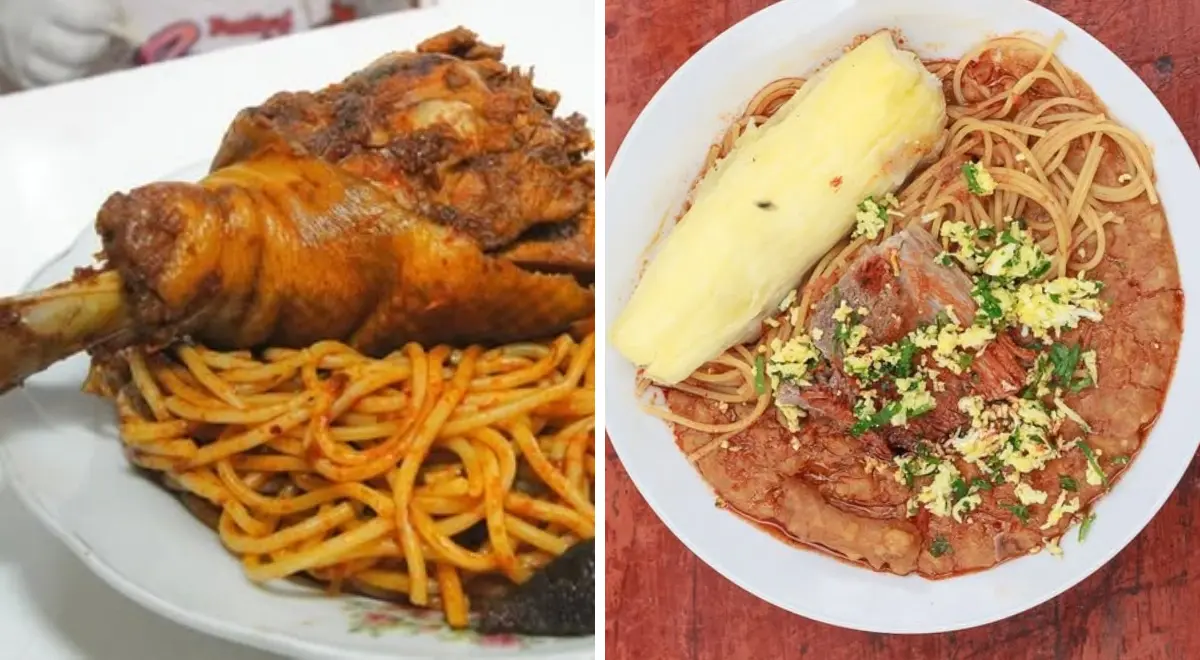
The gastronomic landscape of Peru has officially expanded its calendar of national celebrations to honor one of its most robust culinary traditions. The Ministry of Agrarian Development and Irrigation (MIDAGRI) has formally declared August 4 as the National Day of the Sopa Seca, Sopa Chola, and Sopa Bruta.
This landmark resolution, catalyzed by the tireless advocacy of the Association of Hotels, Restaurants, and Related Businesses of Cañete (AHORA – CAÑETE), shines a national spotlight on the province of Cañete and its surrounding valleys. Far more than a mere celebration of comfort food, the decree is structured as an economic and cultural engine designed to bolster family farming, stimulate regional tourism, and preserve a rich history of culinary miscegenation.
At the heart of this celebration are three distinct, richly flavored noodle-based dishes that have anchored celebrations, family gatherings, and community festivals for generations:
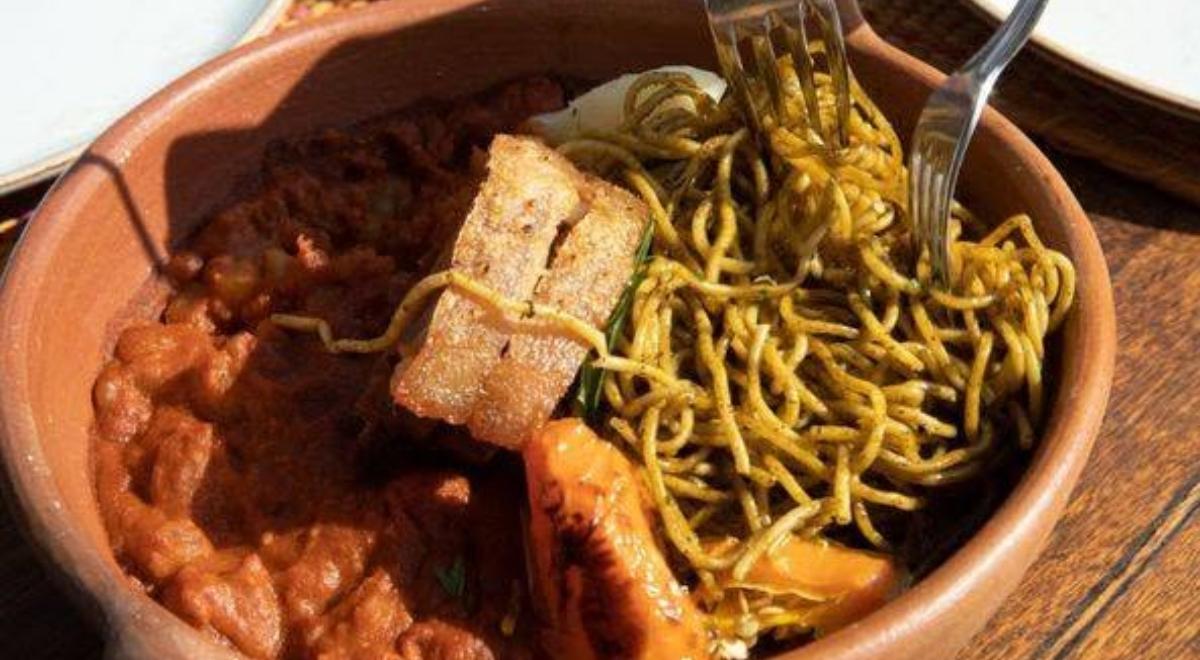
- Sopa Seca: Hailing historically from the shared roots of Cañete and Chincha, characterized by its vibrant, herb-infused pasta and traditionally served alongside carapulcra in the iconic manchapecho pairing.
- Sopa Chola: The pride of Lunahuaná, celebrated for its complex sofrito ground on a traditional batán (stone mortar), infused with red wine, fresh fruit, and hearty proteins ranging from river shrimp to poultry.
- Sopa Bruta: The signature dish of Mala, distinguished by its robust beef base, aromatic mirepoix, and deeply savory spice profile.
These dishes serve as edible timelines, reflecting centuries of indigenous, African, Spanish, Italian, and Asian culinary intersections that define contemporary Peruvian identity.
Chronology: The Evolution of Cañete’s Iconic Sopas
To understand the profound cultural weight of Cañete’s triad of soups, one must trace a timeline spanning over two centuries of geopolitical shifts, cultural integrations, and agricultural evolution.
The Viceregal and Early Republican Era (Late 18th to Mid-19th Century)
The genesis of these dishes lies in the crucible of Peru’s colonial history. As European ingredients—such as wheat pasta, pork, and various spices—met indigenous staples like ají panca and local herbs, Afro-Peruvian cooks in the coastal plantations began crafting high-flavor, low-moisture noodle dishes. These recipes were engineered to feed large gatherings during festivities, utilizing readily available local harvests.
The 1886 Territorial Shift
A pivotal historical footnote for the Sopa Seca occurred in 1886. Prior to this year, the rich coastal valleys of Chincha Alta and Chincha Baja fell under the administrative jurisdiction of Cañete. Although administrative boundaries were redrawn in 1886 to incorporate Chincha into the Department of Ica, the culinary DNA remained inextricably linked. The techniques, spice blends, and deep-rooted traditions of making Sopa Seca continued to evolve in tandem across both regions, creating a shared heritage that persists today.
The Mid-20th Century: Institutionalization in Celebrations
By the mid-1900s, Sopa Seca, Sopa Chola, and Sopa Bruta had graduated from everyday coastal fare to ceremonial cornerstones. No baptism, wedding, patronal feast, or anniversary in the valleys of Lunahuaná, Mala, or San Vicente de Cañete was considered complete without giant communal pots (ollas) simmering over wood fires.
Modern Era: AHRD – Cañete’s Advocacy
Recognizing the commercial and cultural erosion threatening traditional recipes in an era of fast food, local hospitality leaders formed AHORA – Cañete. For years, the association documented recipes, mapped historical roots, and lobbied regional and national governments to grant these dishes official protective status.
August 4: The Official National Decree
Culminating years of grassroots organization and data compilation, MIDAGRI officially gazetted August 4 as the National Day of the Sopa Seca, Sopa Chola, and Sopa Bruta. This institutional backing transforms a localized tradition into a synchronized, nationwide economic and cultural event.
Supporting Data: Agriculture, Economy, and Ingredients
The establishment of this national day is not merely symbolic; it is built on a framework of data-driven economic stimulation and agricultural supply-chain integration.
The Engine of Family Farming
According to agricultural impact assessments conducted alongside the MIDAGRI decree, the celebration directly supports thousands of small-scale agricultural producers within the Cañete River Valley and surrounding districts. Family farming forms the backbone of the ingredients required for these dishes. The sustained, nationwide promotion of August 4 guarantees a massive surge in demand for locally harvested crops.
Key Agricultural Inputs Linked to the Decree
The preparation of these three dishes relies on a strict basket of local, high-quality agricultural goods. The event specifically incentivizes the mass consumption of:
- Ají Panca: The sun-dried red pepper that provides the foundational earthy heat and color.
- Aromatics & Bases: Copious amounts of garlic (ajo), red onions (cebolla), and tomatoes (tomate).
- Fresh Herbs: Essential greens such as sweet basil (albahaca) and flat-leaf parsley (perejil).
- Root Vegetables & Mirepoix: Carrots (zanahoria), celery (apio), and leeks (poro).
- Spices & Accents: Bay leaves (laurel), peanuts (maní), and locally grown fruits like quince (membrillo) and apple (manzana) used in the Lunahuaná variants.
Multisectoral Economic Impact
Market analysts note that the August 4 declaration creates a powerful multiplier effect across four primary economic pillars:
- Tourism: Domestic and international travelers flock to Cañete during the early weekends of August, driving occupancy rates in regional hotels, guesthouses, and rural tourism outposts.
- Gastronomy: Restaurants from Lima to the southern coast feature specialized tasting menus, elevating average ticket sales during traditionally slower winter months.
- Culture & Education: Regional schools, culinary institutes, and cultural centers host workshops, cooking demonstrations, and historical forums to educate younger generations on ancestral preparation techniques.
- Production: Transport, packaging, and retail sectors experience heightened transactional velocity as ingredients are shipped from farm gates to urban kitchens.
Official Responses and Institutional Perspectives
The formalization of the national day has drawn widespread acclaim from government officials, agricultural leaders, and culinary ambassadors across Peru.
Government and Ministerial Backing
In statements released following the official gazetting, representatives from the Ministry of Agriculture emphasized that the decree aligns with national policies to decentralize culinary tourism and empower rural producers.
"We are not just celebrating a plate of noodles; we are honoring the hands that weed the soil, the indigenous wisdom preserved across centuries, and the economic resilience of our rural families," a MIDAGRI spokesperson noted during the inaugural announcements. "By linking the urban restaurant consumer directly to the rural farmer, we create an unbreakable chain of shared prosperity."
The Voice of Regional Hospitality
AHORA – Cañete played a instrumental role in bringing the initiative across the finish line. Association leaders highlighted the sheer tenacity required to preserve these recipes through changing economic tides.
"For generations, our mothers and grandmothers kept these fires burning in the backyards of Cañete, Lunahuaná, and Mala without formal recognition," remarked a senior representative of AHORA – Cañete. "Today, thanks to a united front of hoteliers, chefs, and agriculturalists, the world knows that Cañete has a culinary voice as loud, proud, and distinct as any other region in Peru."
Culinary Historians and Cultural Custodians
Gastronomic researchers have praised the decree for explicitly recognizing the multi-ethnic roots of the dishes. By formally acknowledging the blend of Inca, African, Italian, and Asian influences, the state is validating the complex reality of Peruvian mestizaje. Culinary historians point out that dishes like the Sopa Chola—with its unconventional addition of red wine and fresh fruits—prove that Peruvian cuisine’s greatest asset is its fearless, creative synthesis of diverse global ingredients adapted to local soils.
Implications: Securing the Future of Cañete’s Culinary Heritage
As the inaugural celebrations of August 4 take root, the long-term implications for Cañete and the broader Peruvian gastronomic movement are profound.
Safeguarding Intangible Cultural Heritage
With official calendar status, these recipes are shielded from homogenization. Younger generations of chefs are incentivized to learn the precise, labor-intensive methods required—such as grinding the sofrito by hand on a stone batán or achieving the precise balance of broth reduction that transforms a standard noodle dish into the legendary Sopa Seca. Culinary schools across Peru are expected to incorporate regional variations like the Sopa Bruta de Mala into their core curricula.
Strengthening Agritourism Corridors
The synergy between agriculture and tourism will likely spur the development of dedicated "Gastronomic Agritourism Routes" through Cañete. Visitors will soon be able to tour the fields where the ají panca and tomatoes are harvested, participate in cooking workshops with local matriarchs, and dine at farm-to-table establishments embedded directly within the river valleys.
A Model for Regional Gastronomic Development
The successful lobbying effort by AHORA – Cañete and MIDAGRI serves as a blueprint for other provinces seeking to leverage their unique culinary assets for economic development. By demonstrating that food can be a catalyst for agricultural stability, cultural pride, and multisectoral economic growth, Cañete has ensured that its historic hearths will continue to burn brightly for generations to come.

Leave a Reply