

By Global Environmental Desk
Published: October 2023
Main Facts
The relentless escalation of global temperatures has thrust urban cooling to the absolute forefront of international environmental agendas. According to the United Nations Environment Programme (PNUMA/UNEP), metropolitan areas worldwide are facing unprecedented ecological, economic, and social pressures driven by extreme heat waves and prolonged climate phenomena such as El Niño.
Urban centers are warming significantly faster than rural areas—a phenomenon known as the Urban Heat Island (UHI) effect. This accelerated warming is primarily catalyzed by a severe deficit of vegetation, high population density, anthropogenic heat emissions, and dense architecture that impedes natural air circulation.
The consequences of this thermal crisis are profound:
- Surging Cooling Demands: Driven by rising temperatures, global reliance on space cooling is skyrocketing. UNEP projects that the number of operational air conditioning units worldwide will surge to over 5.6 billion by 2050—nearly triple current levels.
- Energy Grid Strain: Unchecked reliance on conventional air conditioning places immense stress on electrical grids, driving up utility costs and risking widespread blackouts during peak summer months.
- Public Health Vulnerabilities: Heat waves are directly linked to increased morbidity and mortality rates, particularly among vulnerable populations such as the elderly, outdoor workers, and low-income communities.
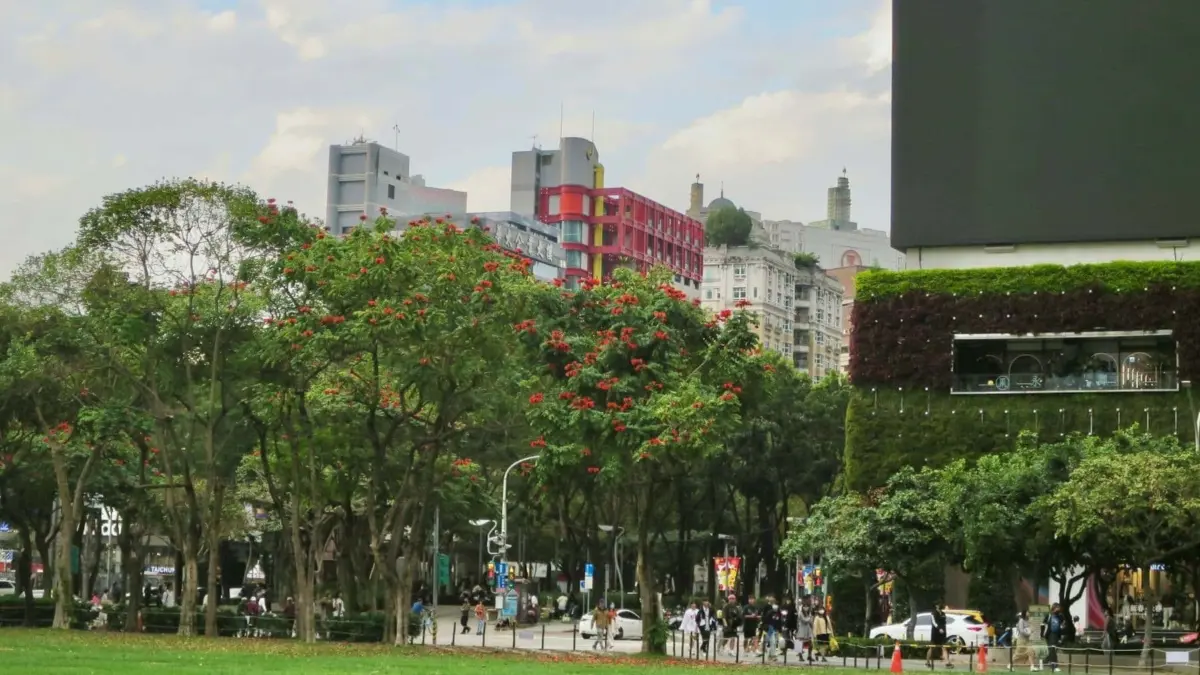
- The Policy Pivot: International bodies are mobilizing around systemic, sustainable cooling frameworks. Initiatives like the Cool Leaders awards are spearheading global recognition for passive cooling designs, high-efficiency technologies, and climate-friendly refrigerants. Furthermore, integrating nature-based solutions—such as urban forests and green roofs—has been scientifically proven to slash peak summer temperatures by up to 41°F (approx. 5°C).
Chronology of the Urban Thermal Crisis
To understand how global metropolises arrived at the current thermal tipping point, it is essential to examine the trajectory of climate policies, urban planning failures, and technological milestones over the past decades.
The 1990s–2000s: The Expansion of Concrete and Mechanical Cooling
As developing and emerging economies industrialized rapidly through the late 20th and early 21st centuries, urban planning largely neglected microclimatic considerations. Cities expanded outward and upward using heat-absorbent materials like asphalt, concrete, and dark roofing. During this era, mechanical air conditioning transitioned from a luxury to an expected standard in commercial and residential developments. Little attention was paid to the energy footprint of these systems or their contribution to waste heat emissions.
The 2010s: Recognizing the Urban Heat Island Effect
Scientific consensus solidified regarding the UHI effect. Climatologists and urban planners demonstrated that metropolitan areas could be several degrees warmer than their surrounding rural counterparts. Major heat waves in Europe (such as the catastrophic events of 2003) and recurring thermal anomalies in North America and Asia forced policymakers to view extreme heat not merely as an inconvenience, but as a public health emergency.
2015–2020: The Paris Agreement and the Cooling Imperative
The adoption of the Paris Agreement in 2015 established global frameworks for climate mitigation and adaptation. However, it quickly became apparent that carbon reduction targets could be severely undermined by the spiraling energy demands of cooling. UNEP and international partners began laying the groundwork for the Cool Coalition, linking energy efficiency in cooling with the phased hydrofluorocarbon (HFC) phase-downs mandated by the Kigali Amendment to the Montreal Protocol.
2021–Present: The Era of Persistent Climate Anomalies and PNUMA’s Roadmap
With the arrival of more frequent and intense El Niño cycles and record-breaking global temperatures, the international community has shifted from passive observation to active intervention. UNEP has elevated urban cooling to a core operational priority. Today, the focus has expanded past simple mechanical upgrades to encompass comprehensive, nature-based urban transformations, smart infrastructure retrofitting, and systemic policy alignments aimed at decoupling thermal comfort from high carbon emissions.
Supporting Data and Statistical Insights
A closer examination of the metrics surrounding the global cooling crisis reveals the staggering scale of the challenge—and the profound potential of sustainable alternatives.
1. The Proliferation of Air Conditioning
- Current Baseline: Approximately 2 billion air conditioning units are currently operating globally.
- Projected Growth: By 2050, that figure is expected to reach 5.6 billion units, driven by rising incomes in developing regions, expanding urban middle classes, and escalating ambient temperatures.
- Energy Impact: If powered by fossil-fuel-dominated grids, this surge in cooling demand will trigger a massive spike in greenhouse gas emissions, creating a perilous feedback loop: more cooling leads to more energy consumption, which leads to more warming.
2. Temperature Reductions via Nature-Based Solutions (NBS)
- The Urban Forest Effect: Strategic deployment of trees, parks, and vegetation can cool surrounding air through evapotranspiration and shade.
- Magnitude of Impact: Data highlighted by environmental organizations indicates that comprehensive urban greening initiatives can reduce peak summer urban temperatures by up to 41°F.
- Co-Benefits: Beyond thermal regulation, NBS interventions enhance biodiversity, manage stormwater runoff, improve mental health, and sequester atmospheric carbon.
3. Economic and Social Metrics
- Grid Overload Costs: Peak cooling loads frequently coincide with grid failures, resulting in billions of dollars in lost economic productivity.
- Health Costs: Heat-related illnesses cost national healthcare systems billions annually in emergency room visits, lost work hours, and long-term cardiovascular and respiratory treatments.
- Equity Gap: Urban heat islands disproportionately affect low-income neighborhoods, which historically feature lower canopy coverage, higher building density, and less access to energy-efficient cooling technologies.
Official Responses and International Frameworks
Global institutions, spearheaded by the United Nations Environment Programme (PNUMA), are mobilizing resources, establishing benchmarks, and demanding policy overhauls to address the urban heat crisis.
UNEP’s Strategic Priorities
The United Nations Environment Programme has positioned urban cooling at the intersection of climate change mitigation, adaptation, and sustainable development. UNEP emphasizes that cities cannot simply "air condition their way out of the crisis." Instead, a three-pronged approach is required:
- Passive Cooling First: Redesigning buildings and urban layouts to minimize heat absorption. This includes utilizing reflective "cool roofs," optimized building orientations, natural ventilation corridors, and advanced insulation materials.
- Super-Efficient Technologies: When mechanical cooling is unavoidable, systems must meet the highest standards of energy efficiency while utilizing low-global-warming-potential (GWP) refrigerants that do not damage the ozone layer or accelerate global heating.
- Nature-Based Urban Design: Mandating green infrastructure within municipal zoning laws. City planners are being urged to integrate urban forests, linear parks, community gardens, and vertical green walls into both new developments and urban renewal projects.
The Role of International Recognition: The Cool Leaders Awards
To catalyze innovation, international organizations have championed initiatives such as the Cool Leaders awards. These accolades recognize municipalities, private developers, and technological innovators who pioneer sustainable refrigeration systems and population-protection frameworks. By spotlighting successful case studies, these awards encourage cross-border knowledge transfer and motivate municipal leaders to adopt ambitious thermal-resilience targets.
Aligning Policy with Investment
UNEP stresses that sustainable cooling cannot be achieved through voluntary measures alone. Governments at national and municipal levels must align public policy with targeted financial investments. This involves:
- Revising building codes to mandate passive cooling standards.
- Subsidizing energy-efficient retrofits for low-income housing and public facilities.
- Integrating climate adaptation metrics directly into municipal fiscal planning and urban zoning frameworks.
Implications: Building Climate-Resilient Cities for the Future
The implications of failing to address the urban heat crisis extend far beyond momentary discomfort during summer heat waves. They touch upon the core viability of modern civilization as an increasingly urbanized species.
1. Safeguarding Critical Infrastructure
Societal stability relies on the continuous operation of critical infrastructure. Hospitals, schools, workplaces, and energy grids are acutely vulnerable to extreme heat. Hospitals must maintain climate-controlled environments for patient recovery and pharmaceutical storage; schools must provide safe learning environments during intensifying heat seasons; and energy grids must be protected from catastrophic failures triggered by simultaneous, system-wide air conditioning loads.
2. Environmental Justice and Social Equity
The urban heat island effect is fundamentally an equity issue. Wealthier neighborhoods often enjoy lush canopies, modern insulation, and reliable access to air conditioning. Conversely, marginalized communities frequently endure "heat deserts"—areas dominated by asphalt, heavy traffic, and minimal greenery. Addressing urban cooling through a systemic lens requires prioritizing investments in vulnerable neighborhoods to prevent climate change from exacerbating existing socioeconomic divides.
3. Fulfilling Global Climate Commitments
Ultimately, the way cities manage the cooling transition will determine whether global climate goals, such as those outlined in the Paris Agreement and the Kigali Amendment, are met. By breaking the cycle of high-emission mechanical cooling and embracing integrated, nature-based adaptation strategies, humanity can transform extreme heat from an unmanageable existential threat into a catalyst for regenerative urban design.
As PNUMA’s ongoing initiatives demonstrate, the future of our cities depends not on sealing ourselves off from a warming world, but on reconnecting our urban ecosystems with the natural world that sustains them.



Leave a Reply