

By Global Higher Education Desk
Based on analysis and commentary originally published by Manuel Humberto Restrepo Domínguez via Las2Orillas.
Main Facts
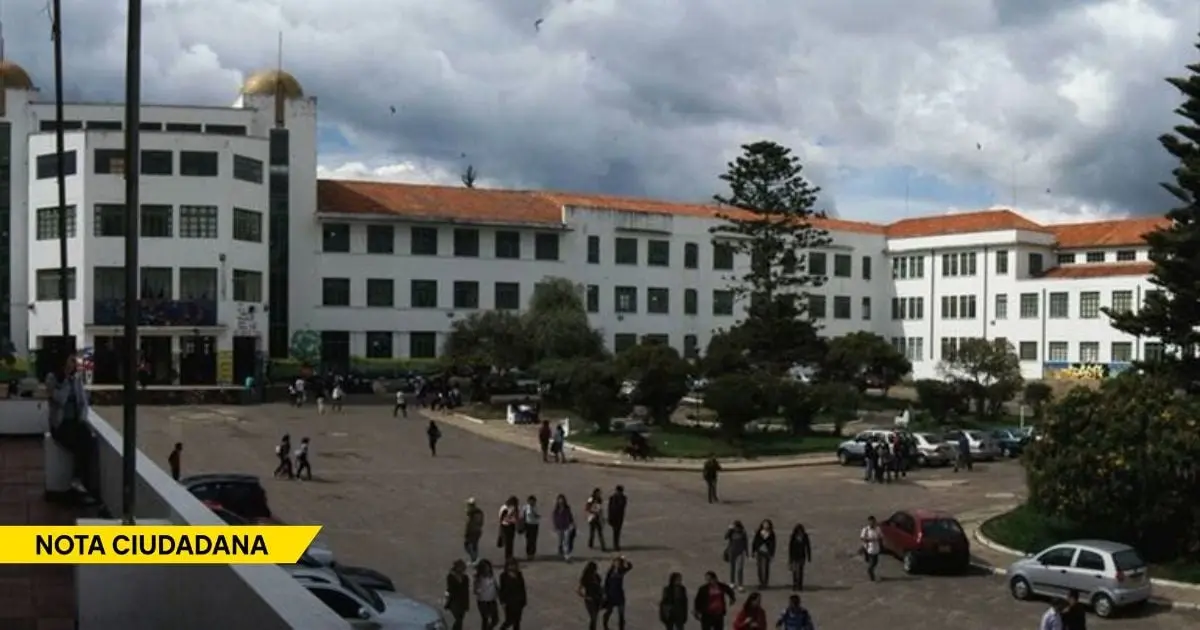
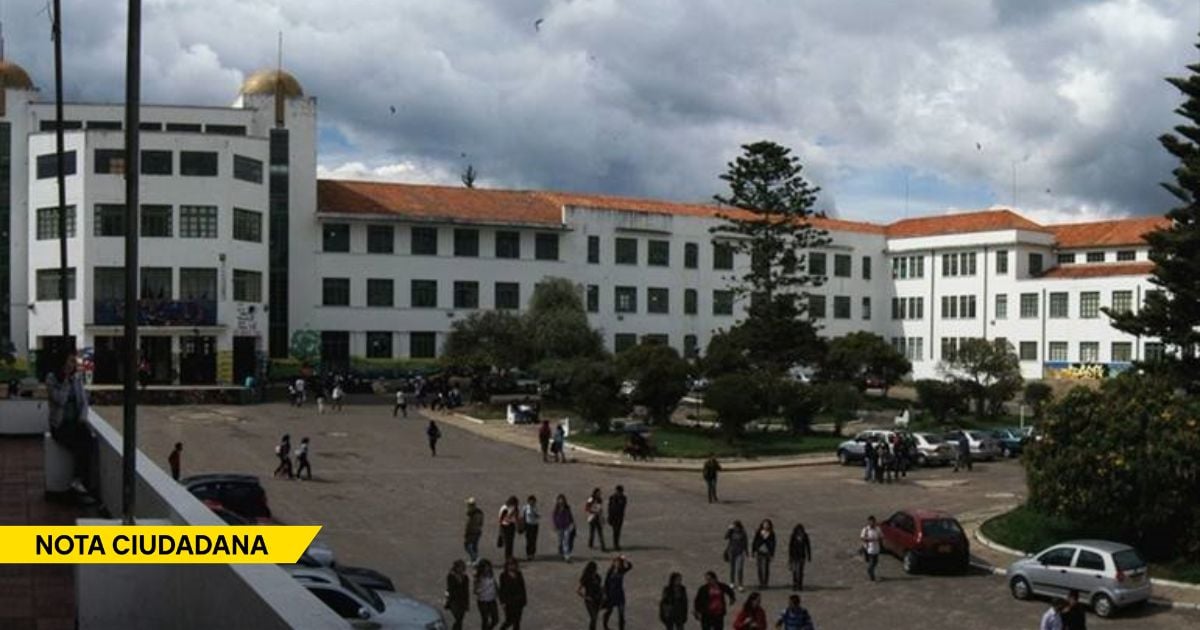
The Universidad Pedagógica y Tecnológica de Colombia (UPTC)—one of the nation’s five premier public universities and a direct descendant of the historic University of Boyacá founded in 1827—has entered an unprecedented electoral cycle. A record-breaking 21 candidates (19 men and 2 women) have officially registered to vie for the institution’s presidency (rectoría).
The requirements to run for the highest office at the UPTC are standard yet rigorous on paper: candidates must possess a master’s degree, at least five years of teaching experience, and a minimum of two years in administrative roles (deans require one year less). However, the sheer volume of aspirants—the highest in the university’s modern history—has transformed what is typically an administrative appointment into a profound ideological referendum.
Rather than serving as a routine institutional transition, the race has opened a Pandora’s box of discussions regarding university autonomy, budgetary constraints, labor stability, and the fundamental definition of public education in contemporary Colombia. The election takes place under a complex governance framework dictated by Law 30 of 1993. Under this system, internal consultations and open public forums yield non-binding, advisory results for the various academic estaments. Ultimately, the decision rests with a nine-member Superior Council through a simple majority vote—a process historically vulnerable to political alliances, backroom maneuvering, and power calculations.
Chronology of the Electoral Process
To understand the current tension at the UPTC, it is necessary to examine the structured stages of the rectoral election and its historical lineage:
- 1827: The foundational roots are planted with the establishment of the University of Boyacá, later evolving into the Universidad Pedagógica de Colombia, and finally into the modern Universidad Pedagógica y Tecnológica de Colombia (UPTC).
- The Nominations Phase: The university formally closes registrations with an unprecedented 21 candidates, shattering historical participation metrics and signaling deep institutional anxieties.
- Current Phase (Forums and Debates): Candidates are currently navigating a series of public presentations, academic debates, and open forums. These events are designed to pressure contenders into clarifying their stances on public education models, administrative transparency, and labor rights.
- Upcoming Estament Consultations: The university community (students, professors, and workers) will participate in non-binding, advisory straw polls. While these consultations grant a degree of moral legitimacy, they hold no formal legal weight in the final decision.
- The Superior Council Deliberation: Between four and six shortlisted candidates will advance to the Superior Council. The nine electors will then use simple majority voting to elect the next rector. Observers and analysts have urged the Council to establish clear, public methodologies regarding how it will weigh the results of the community consultations to prevent accusations of external interference or opacity.
Supporting Data and Financial Realities
The incoming rector will inherit a massive institutional apparatus with significant financial weight and deep-seated structural challenges. A breakdown of the UPTC’s operational landscape reveals the following data points:
- Budgetary Scale: The university operates on an annual budget exceeding half a trillion Colombian pesos.
- Budget Allocation: Approximately 90% of the budget is earmarked for operational costs, which include institutional payroll, quality assurance, student retention and graduation programs, scientific research, and community outreach. The remaining 10% is dedicated to infrastructure contracts and equipment modernization.
- Executive Compensation: The rector’s salary hovers around 20 million pesos per month, while direct-appointment executive positions are capped at under twenty roles.
- Labor Force Realities:
- There are approximately 1,000 occasional professors who face precarious working conditions rather than enjoying stable tenure or viable career tracks.
- No fewer than 300 administrative and support workers are currently laboring under temporary or contract-based schemes, creating an urgent mandate for labor formalization.
- Electoral Density: Out of 34 public universities in Colombia, the UPTC stands as one of only five national-level institutions, making its leadership contest a matter of national educational policy rather than merely regional administration.
Official Responses and Stakeholder Perspectives
The unprecedented number of candidates has elicited diverse interpretations from academics, labor leaders, and institutional watchers.
Critics and independent analysts, such as Professor Manuel Humberto Restrepo Domínguez, argue that the surge of 21 candidates cannot be read as a healthy sign of routine academic competition. Instead, they interpret the massive turnout as a symptom of accumulated grievances, administrative fatigue, and the fragmentation of the university’s core mission. Some view the influx as an indicator of intellectual weakness, where actors with little regard for public interest view the rector’s office as an opportunistic springboard. Conversely, optimists hope it represents a genuine desire to revalorize the right to education.

Academic unions and student groups have continuously emphasized the danger of reducing the university to a corporate enterprise or municipal agency. They demand that the Superior Council break with historical precedent by making its voting criteria transparent before the final tally. By announcing the weight assigned to the community’s advisory votes, the Council could mitigate fears of clientelism, partisan interference, and backroom deal-making.
Furthermore, academic stakeholders have strongly rejected any attempts by external political actors—regardless of ideological alignment—to use the UPTC as a pawn in partisan "culture wars." Representatives have reiterated that the university’s primary compass is the Colombian Constitution, not the shifting agendas of executive or legislative palaces.
Implications for the Future of the UPTC
The stakes of the 2024–2025 UPTC rectoral race extend far beyond who will occupy the 20-million-peso office. The ultimate implications of this election touch upon the very nature of public scholarship in Colombia:
1. Defining the Public University Model
The next administration must clarify whether the UPTC will continue down a path influenced by corporate management indicators—which critics argue trap academic creativity in bureaucratic red tape—or pivot toward a humanistic, pluralistic model centered on scientific rigor, laicism, and social justice.

2. Labor Dignification and Institutional Stability
A foundational test for the winning candidate will be addressing the plight of the nearly 1,000 occasional professors and hundreds of contracted staff. Without moving past unviable hiring practices and establishing genuine paths toward labor stability, the university risks continuous internal friction, strikes, and protests that undermine its academic mission.
3. Autonomy vs. Political Cooptation
The autonomy of the UPTC—ensured as a fundamental guarantee to protect critical thinking and scientific inquiry—is currently under indirect siege from political polarization. The incoming leadership must resist external stigmatization, safeguard the freedom of research and teaching, and protect the campus as a sanctuary for peaceful democratic debate rather than violent ideological confrontation.
4. Ethical Governance
Ultimately, the election is a moral test for the university community. As analysts note, the true victory will not belong to the candidate who secures the most powerful political alliances, but to the one who can align the fragmented estaments around a common ethical framework. Protecting the collective patrimony of the UPTC requires that the transition be clean, transparent, and resolutely committed to the elevation of humanism and public knowledge over transient political spoils.




Leave a Reply