Bogotá’s restaurant market has long been celebrated as one of Latin America’s most dynamic epicenters of culinary innovation. However, beneath its vibrant facade lies a fiercely competitive environment. According to statistics from the Bogotá Chamber of Commerce (Cámara de Comercio de Bogotá), the city’s urban and metropolitan region hosts more than 29,000 registered businesses within the food and beverage sector. In this hyper-competitive landscape, where high operational costs and shifting consumer habits drive swift turnover, Grupo Smile has emerged as one of the country’s most resilient and innovative hospitality holdings.
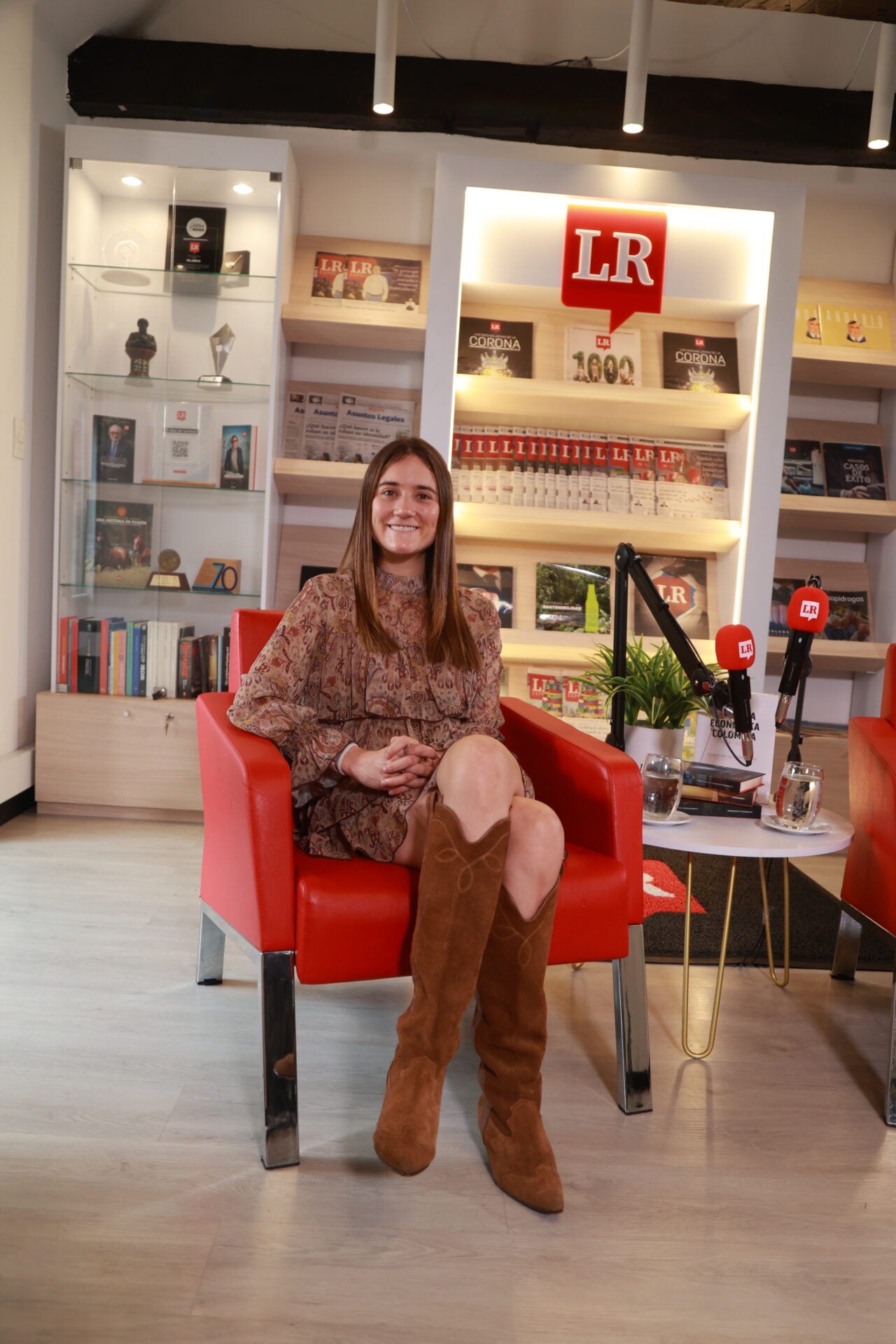
Led by General Manager María Camila de Francisco, the group—which currently operates five distinct establishments in Bogotá, including La Pinta, Ideal, Tercer Piso, and Verano—is embarking on a major strategic expansion. The holding company plans to double its footprint to 10 locations, marking a pivotal milestone: its first physical expansion beyond the capital city into the coastal tourism hub of Cartagena, alongside innovative retail-culinary crossovers and scalable concept rollouts.
Chronology: From Local Bistro Concepts to National Footprint
The growth trajectory of Grupo Smile reflects the broader evolution of Colombia’s modern food and beverage industry over the past decade.
+-----------------------------------------------------------------------------------+
| CHRONOLOGY OF GRUPO SMILE'S STRATEGIC EVOLUTION                                   |
+-----------------------------------------------------------------------------------+
| Pre-2020: Foundation & Growth                                                     |
|  - Launch of flagship concepts in Bogotá, notably 'La Pinta' in Chapinero.         |
|  - Rapid adoption of "dinner and dancing" experiential dining.                    |
+-----------------------------------------------------------------------------------+
| 2020–2021: Pandemic Disruption & Pivot                                            |
|  - Operational halt forces pivot away from late-night nightlife integration.      |
|  - Focus shifts to supply chain resilience, core menu delivery, and efficiency.  |
+-----------------------------------------------------------------------------------+
| 2022–2023: Portfolio Diversification & B Corp Milestone                           |
|  - Expansion of brands: 'Ideal', 'Tercer Piso', and 'Verano'.                     |
|  - Certified as a B Corporation (second restaurant group in Colombia after        |
|    Crepes & Waffles).                                                             |
|  - Founding of 'La Academia' to provide free hospitality training.                |
+-----------------------------------------------------------------------------------+
| 2024–Present: Regional Expansion & Hybrid Concepts                                 |
|  - Opening of 'Verano 122' in northern Bogotá.                                    |
|  - Strategic expansion to Cartagena inside the historic 'Hotel Bastión'.          |
|  - Launch of 'Johnny’s' (scalable brand) and 'Glass' (hybrid venue with Sajú).    |
|  - Target set to reach 10 total operating units.                                  |
+-----------------------------------------------------------------------------------+
The Early Years and Concept Validation
In its foundational years, Grupo Smile capitalized on Bogotá’s booming middle-to-upper-class dining culture, particularly in nightlife and dining corridors such as Chapinero and the Zona G. Concepts like La Pinta established the holding company’s reputation for pairing high-concept gastronomy with social ambiance. The early model leaned heavily into "dinner and dancing"—a trend blending sit-down dining with late-night lounge experiences.
Pandemic Adaptations and Operational Pivots
The onset of the COVID-19 pandemic temporarily curtailed the group’s experiential dining strategy. With public health restrictions banning nightlife activities and late-night gatherings, Grupo Smile was forced to suspend its "dinner and dancing" model and reassess its operational efficiency. The leadership team restructured internal workflows, streamlined menu costs, and focused heavily on brand equity and community impact, laying the groundwork for post-pandemic scaling.
Achieving B Corp Certification and Social Initiatives
As the market recovered, Grupo Smile prioritized corporate sustainability and social responsibility. The group earned official certification as a B Corporation (Empresa B)—becoming only the second restaurant group in Colombia to achieve this distinction, following the nationwide chain Crepes & Waffles. In tandem with this milestone, the holding company established La Academia, an internal, tuition-free training program designed to upskill local hospitality workers in service standards and guest experience management.
Regional Outreach and Brand Diversification
Having solidified its presence in Bogotá with five active operating locations—most recently opening Verano 122 in the northern district of the capital—Grupo Smile is now executing a targeted growth strategy across Colombia. This includes entering the luxury hospitality segment in Cartagena, rolling out a streamlined brand named Johnny’s, and partnering with consumer goods brands to create hybrid, experiential retail-dining spaces.
Supporting Market Data and Economic Dynamics
Operating a restaurant holding company in Colombia involves navigating sharp economic fluctuations, rising food inflation, and heavy tax regulations. The broader macroeconomic parameters framing Grupo Smile’s growth strategy highlight both the immense market opportunity and the operational risk inherent to the sector.
High Industry Churn and Market Density
According to data from the Bogotá Chamber of Commerce, the metropolitan capital registers over 29,000 businesses in the commercial preparation and distribution of food and beverages. This sheer volume creates intense fragmentation and competition.
Market reality within the city’s restaurant landscape presents high failure rates: industry estimates cited by market executives indicate that for every 10 new restaurant concepts that open in Bogotá, roughly eight close within their first two years of operation.
BOGOTÁ GASTRONOMIC SECTOR AT A GLANCE
------------------------------------------------------------------
Registered F&B Establishments:      >29,000 (Metropolitan Area)
Estimated 2-Year Failure Rate:      80% (8 out of 10 close)
Grupo Smile Portfolio (Current):    5 open locations
Grupo Smile Target Portfolio:       10 open locations
B Corp Certified Dining Groups:     2 (Grupo Smile, Crepes & Waffles)
------------------------------------------------------------------
Revenue Composition: The Critical Weight of Beverage Programs
A central pillar of profitability for multi-concept restaurant groups is the contribution of beverage sales—specifically spirits, cocktails, and wine. Food margins in fine-casual and casual-dining establishments are frequently squeezed by fluctuations in agricultural supply chains, energy tariffs, and imported ingredient costs.
For Grupo Smile, beverage programs act as an essential high-margin stabilizer:
Margin Support: High-end cocktail programs typically carry significantly higher gross profit margins compared to food items, helping offset volatile kitchen prime costs.
Experiential Length of Stay: Strong bar operations extend the average table dwell time, transforming standard dinner services into higher-ticket evening outings.
Concept Vulnerability: As noted by company leadership, losing the "dinner and dancing" social element during past regulatory shifts directly impacted high-margin liquor sales, underscoring how vital night-time bar operations are to the group’s overall commercial model.
International Tourism Inflows
The expansion strategy is further buoyed by Colombia’s expanding tourism profile. Foreign visitor arrivals have rebounded steadily, with Bogotá’s urban cultural hubs (such as Chapinero) experiencing sustained international foot traffic. Locations like La Pinta have seen high proportions of foreign diners, necessitating operational adaptations ranging from bilingual staff to English-language digital menus and international payment gateway integrations.
Official Responses and Executive Insights
In an in-depth interview regarding the holding group’s path forward, María Camila de Francisco, General Manager of Grupo Smile, detailed the operational philosophy, growth hurdles, and strategic partnerships driving their current phase of development.
====================================================================================
EXECUTIVE SUMMARY: MARÍA CAMILA DE FRANCISCO ON STRATEGY
====================================================================================
"It is a brutal industry. In Bogotá, 10 restaurants open and eight close; it is
bloody. However, going out to eat is the primary leisure plan in Bogotá... there
is room for many more players."

On Regional Expansion:
"We were hesitating a bit to take this step, but all the partners and I love
Cartagena, and we decided to open this new restaurant inside Hotel Bastión. It is
a major challenge because, in a destination that is truly a summer climate like
the Colombian coast, we had to adapt the concept."

On Strategic Alliances (Glass x Sajú):
"The idea for 'Glass'... is to serve wine, coffee, and ice cream... It will sit
adjacent to the Sajú eyewear store in Bogotá. The goal is that people purchasing
custom glasses—which take about 30 minutes—can wait at Glass, enjoy a coffee,
and pick up their frames."
====================================================================================
Navigating a "Bloody" Industry
Reflecting on the competitive environment in Bogotá, de Francisco highlighted the stark balance between market opportunity and execution risk:
"It is a brutal industry. In Bogotá, 10 restaurants open and eight close; it is bloody," stated de Francisco. "However, going out to eat has become the primary leisure activity in Bogotá. The city has positioned itself as a gastronomic capital in Latin America without a doubt. The offering has grown immensely; however, anyone wanting to enter this market must realize it requires enormous sacrifices, especially regarding personal time, because when everyone else is out enjoying themselves is precisely when you work the hardest."
Despite these challenges, she noted that rising tourist numbers and sophisticated local palates mean the market is far from saturation:
"I believe more and more people are traveling to Bogotá specifically to eat. There are incredible culinary concepts, spectacular chefs, and I firmly believe there is room for many more players."
The Strategic Jump to Cartagena with ‘Verano’
A central element of Grupo Smile’s growth plan is taking its Verano brand outside the capital city for the first time. The team selected the historic coastal city of Cartagena, securing a high-profile location inside the luxury Hotel Bastión.
De Francisco acknowledged that adapting a Bogotá-born restaurant concept for a tropical coastal destination requires structural adjustments:
"We were hesitating a bit to take this step, but all the partners and I love Cartagena, and we decided to open this new restaurant in the Hotel Bastión," she explained. "It represents a major operational challenge because, in a coastal climate that experiences year-round summer, we had to adapt the menu and atmosphere. In Bogotá, we can take certain culinary risks and creative liberties that need tuning when operating on the coast."
Brand Portfolio Strategy: ‘Johnny’s’ and ‘Glass’
To reach its target of 10 operating venues, Grupo Smile is diversifying away from high-complexity dining rooms by developing more agile, scalable business models.
Johnny’s: A new proprietary brand being launched in Bogotá. Designed specifically with a streamlined operational footprint, Johnny’s requires less kitchen overhead and standardized prep processes, making it significantly easier to scale across urban centers.
Glass (In Partnership with Sajú): A novel hybrid concept blending retail waiting experiences with casual gastronomy. Partnering with Colombian eyewear brand Sajú—known for manufacturing custom frames on-demand in roughly 30 minutes—Grupo Smile created Glass.
"The concept of Glass is designed for guests to enjoy wine, specialty coffee, ice cream, and a short food menu," de Francisco outlined. "It will be located right next to the Sajú store in Bogotá. Customers waiting 30 minutes for their eyewear can sit down, have a drink or lunch, and collect their glasses seamlessly. Furthermore, Glass operates as a fully open neighborhood café for the general public."
Leadership Profile: María Camila de Francisco
María Camila de Francisco holds a law degree from the prestigious Universidad de los Andes and brings over nine years of executive experience directing restaurant development, concept design, and financial operations.
Under her management, Grupo Smile has prioritized formalizing employment within the sector, achieving certified sustainable business standards, and establishing community-focused corporate social responsibility channels—most notably through La Academia, which delivers free hospitality training to elevate service standards across the workforce.
Implications for the Industry and Regional Market Dynamics
The expansion strategy of Grupo Smile, combined with its operational pivots, carries broader economic and strategic implications for Colombia’s hospitality ecosystem.
+-----------------------------------------------------------------------------------+
| STRATEGIC IMPLICATIONS OF GRUPO SMILE'S GROWTH                                   |
+-----------------------------------------------------------------------------------+
| 1. Hotel & Restaurant Convergence                                                 |
|    - Embedding proprietary dining concepts (e.g., Verano) inside luxury boutique  |
|      hotels (Hotel Bastión) mitigates standalone real estate acquisition costs    |
|      and guarantees built-in tourist foot traffic.                                |
+-----------------------------------------------------------------------------------+
| 2. Retail-Gastronomy Synergies                                                    |
|    - Co-locating with lifestyle brands (Sajú x Glass) redefines the waiting time  |
|      for retail customers, creating dual revenue streams and boosting overall     |
|      space monetization per square meter.                                         |
+-----------------------------------------------------------------------------------+
| 3. High-Standard ESG Integration                                                  |
|    - Achieving B Corp certification sets a blueprint for mid-sized restaurant     |
|      holdings, proving that sustainable sourcing, waste reduction, and structured |
|      labor standards can coexist with profitability.                              |
+-----------------------------------------------------------------------------------+
| 4. Regional Competitiveness                                                       |
|    - Elevates Bogotá's position relative to regional gastronomic powerhouses like |
|      Lima and Mexico City by diversifying culinary concepts and professionalizing  |
|      front-of-house service through initiatives like 'La Academia'.               |
+-----------------------------------------------------------------------------------+
Hotel-Restaurant Co-Location Models
Integrating Verano into Cartagena’s Hotel Bastión reflects a growing international trend where boutique and luxury hotels outsource their food and beverage operations to proven third-party restaurant groups. This structure reduces capital expenditure risks for the restaurant group through shared infrastructure, while offering the hotel an established, high-appeal dining destination for its guests.
The Rise of Lifestyle-Driven Hybrid Spaces
The partnership between Glass and Sajú signals a broader shift toward experiential retail in Colombia’s urban centers. As traditional brick-and-mortar retail faces pressures from e-commerce, combining specialized retail services (on-demand eyewear production) with high-quality, quick-service food and beverage programs transforms standard retail units into neighborhood social hubs.
ESG and Professionalization of the Workforce
Achieving B Corp status alongside industry giants like Crepes & Waffles demonstrates that mid-sized hospitality groups can successfully integrate environmental, social, and governance (ESG) metrics into their core strategy.
Through La Academia, Grupo Smile addresses one of the primary pain points facing Latin American food services: high staff turnover and variable service quality. By providing free structured training in hospitalities, the group contributes to labor formalization while securing a pipeline of trained talent for its planned 10-restaurant footprint.
Bogotá’s Standing in Latin American Gastronomy
As capital cities across Latin America compete for international tourism, Bogotá continues to close the gap on recognized culinary capitals like Lima and Mexico City. By balancing localized, high-concept dining (La Pinta, Ideal) with scalable offerings (Johnny’s) and cross-regional extensions (Verano Cartagena), independent holdings like Grupo Smile serve as key drivers of urban economic growth, culinary innovation, and employment generation in Colombia.








Leave a Reply