

MADRID — In a sweeping legislative update designed to align with modern European mobility trends and ambitious sustainability goals, Spain’s Directorate-General for Traffic (DGT) has unveiled a profound reform of the General Traffic Regulations. Enacted via Royal Decree 518/2026, the comprehensive overhaul fundamentally rewrites the rules of engagement across Spanish streets and highways.
While the majority of the new norms become generally applicable on October 1, 2026, certain targeted obligations feature an extended transition period stretching until October 1, 2027. The overarching philosophy of the reform is clear: to shift the paradigm of road safety by prioritizing the protection of society’s most fragile groups while adapting the legal framework to a landscape vastly different from that of two decades ago.
1. Main Facts: The Core Pillars of Royal Decree 518/2026
At the heart of the new regulation is a paradigm shift that formally codifies concepts previously left to municipal interpretation or fragmented guidelines. The reform touches virtually every category of road user, introducing stringent safety buffers, mandatory equipment upgrades, and strict liabilities for emerging forms of urban transport.
Defining the "Vulnerable Road User"
For the first time in Spanish traffic legislation, the text establishes a formal, overarching definition of a vulnerable road user (VRU). This legal classification explicitly encompasses pedestrians—paying special attention to minors, the elderly, individuals with disabilities, and those with reduced mobility—alongside cyclists, users of Personal Mobility Vehicles (VMP), and occupants of motorcycles and mopeds.
According to the DGT, the foundational principle of the reform is straightforward: every citizen is, or will at some point be, a vulnerable road user depending on their mode of transit, age, or temporary personal circumstances.
Stricter Overtaking and Passing Protocols
Motorists will face much tighter restrictions when passing more fragile travelers:
- Cyclists and VMPs: Drivers overtaking cyclists, groups of cyclists, or VMP users must maintain a lateral separation of at least 1.5 meters. On interurban roads, they are also legally required to reduce their speed by at least 20 km/h below the posted limit. If the roadway features more than one lane in the same direction, changing lanes entirely is mandatory.
- Stationary Vehicles: The same rigorous caution—requiring reduced speeds and wider berths—must be exercised when passing any vehicle immobilized due to a breakdown, accident, emergency assistance, road maintenance, or traffic regulation.
Managing High-Density Traffic and Inclement Weather
- Emergency Corridors: On multi-lane highways and dual carriageways (autopistas and autovías), drivers are now legally mandated to form an emergency corridor (pasillo de emergencia) during heavy congestion or traffic jams to allow ambulances, fire trucks, and police clear passage. On two-lane roads, this corridor must open in the absolute center; on roads with three or more lanes, it must form between the leftmost lane and the adjacent lane.
- Winter Weather Restrictions: When snowfall impedes normal circulation, overtaking is strictly prohibited across the board, and the leftmost lane must remain completely clear at all times to facilitate the passage of snowplows and emergency services.
2. Chronology and Implementation Roadmap
A legislative change of this magnitude requires a carefully phased rollout to allow citizens, municipal governments, and commercial operators time to adapt. The DGT has established a dual-phase calendar:
- Phase 1: October 1, 2026 (General Entry into Force):
- The vast majority of new rules become active. This includes the strict 1.5-meter overtaking rule, mandatory emergency corridors, the elimination of seatbelt exemptions for urban delivery drivers, taxi drivers, and driving instructors, and the foundational regulations governing Personal Mobility Vehicles (VMPs).
- Minimum age rules for VMPs (15 years old) and mandatory liability insurance for scooters become applicable.
- Phase 2: October 1, 2027 (Extended Transition Deadline):
- Specific technical compliance requirements receive a one-year grace period. For example, moped helmets certified under older standards may remain in use until this date, after which strict adherence to the UNECE R22 homologation standard becomes absolute.
- The mandate requiring VMP users to keep their lighting systems illuminated during daytime hours also formally takes effect on this date.
3. Supporting Data & Sector-Specific Impacts
The reform introduces tailored regulations for various transport sectors, backed by safety data highlighting the disproportionate risks faced by two-wheeled and micro-mobility commuters.
+-----------------------------------+---------------------------------------------------------+
| Transport Sector                  | Key New Mandate / Operational Change                    |
+-----------------------------------+---------------------------------------------------------+
| Motorcyclists                     | • Protective gloves mandatory on interurban roads.      |
|                                   | • Closed-toe footwear required on all roads.            |
|                                   | • Permitted to use highway shoulders in gridlock        |
|                                   |   (max 30 km/h, single file).                           |
+-----------------------------------+---------------------------------------------------------+
| Professional Riders (Couriers)    | • Helmets and high-visibility reflective vests          |
|                                   |   mandatory regardless of vehicle type.                 |
|                                   | • Wireless helmet audio systems restricted strictly     |
|                                   |   to navigation or communication without distraction.   |
+-----------------------------------+---------------------------------------------------------+
| Cyclists                          | • Mandatory helmet use on all interurban roads          |
|                                   |   (removing previous uphill/heat exceptions).           |
|                                   | • Motor vehicles must maintain a 5-meter trailing       |
|                                   |   buffer behind bikes within the same lane.             |
+-----------------------------------+---------------------------------------------------------+
| Personal Mobility Vehicles (VMPs) | • Minimum driving age set at 15 years old.              |
|                                   | • Compulsory civil liability insurance and registration |
|                                   |   in the National Vehicle Registry.                     |
|                                   | • Strict prohibition on sidewalks, highways, and        |
|                                   |   urban tunnels.                                        |
+-----------------------------------+---------------------------------------------------------+
Motorbikes and Commercial Riders
Motorcyclists face new gear mandates: protective gloves are now compulsory on interurban roads, and closed-toe footwear must cover the entire foot regardless of the road type. In a major win for urban filtering, motorcycles will be legally permitted to ride on road shoulders during traffic jams, provided the section is properly marked, circulation is severely congested, riders travel in a single-file column, and speeds do not exceed 30 km/h while yielding to bicycles.
For "riders" and delivery personnel working on two wheels (bicycles, VMPs, mopeds, or motorcycles), high-visibility reflective vests and helmets are now mandatory during professional activities. Wireless intercom systems integrated into helmets are permitted exclusively for hands-free navigation or communication, provided they do not impair cognitive attention.
Bicycles and Urban Micro-Mobility
The regulatory loopholes allowing certain cyclists to forgo helmets on interurban roads under extreme heat or steep inclines have been permanently closed: helmets are now universally mandatory for all cyclists on open roads.
In urban environments, cyclists are encouraged to occupy the center of the traffic lane. Furthermore, vehicles traveling behind a bicycle in the same lane must maintain a minimum buffer of 5 meters. Local authorities are also granted discretionary power to authorize bidirectional bicycle traffic on single-lane urban streets where speed limits are set at 30 km/h or lower, provided clear signage is installed.
E-Scooters (VMPs) Come Under Tight Control
Perhaps the most turbulent sector of urban mobility—electric scooters—faces rigorous formalization. The minimum age to operate a VMP is established at 15 years, and helmet use is strictly compulsory. Between sunset and sunrise, or under low-visibility conditions, riders must display reflective elements visible from 150 meters.
Critically, VMPs are outright banned from sidewalks, pedestrian zones, highways, dual carriageways, and urban tunnels. Beyond traffic rules, VMPs must now carry mandatory civil liability insurance and be registered in the National Vehicle Registry, complete with physical identification tags.
4. Official Responses and Institutional Alignment
The Spanish government has framed Royal Decree 518/2026 not merely as a punitive traffic update, but as a holistic mobility strategy tightly synchronized with global frameworks.
Alignment with the 2030 Agenda
Official statements from the Ministry of Interior and the DGT emphasize that the regulation directly supports the United Nations Agenda 2030, specifically targeting Sustainable Development Goals (SDGs) related to good health and well-being (SDG 3), sustainable cities and communities (SDG 11), and climate action (SDG 13). By encouraging active, safe, and clean mobility options while placing guardrails around high-risk micro-mobility, the state hopes to drive down urban emission footprints without sacrificing human life.
The Balance of State and Local Power
A critical element praised by urban planners is the reinforced legal synergy between central legislation and municipal autonomy. While local city councils retain broad authority to design Low Emission Zones (ZBEs), Residential Priority Areas (APRs), school safety pathways, and traffic-calming measures, their municipal ordinances must strictly respect the unified national framework. This eliminates the confusing patchwork of contradictory municipal bylaws that previously plagued drivers traveling between neighboring provinces.
5. Broader Implications for Drivers, Municipalities, and Society
The structural changes brought by the 2026 reform ripple across multiple layers of daily Spanish life:
The End of Historical Exceptions
Long-standing exemptions for specific professional groups have been pruned away. Commercial delivery drivers, taxi operators, and driving school instructors are no longer exempt from wearing seatbelts under the previously permitted urban exceptions. The only remaining major exception applies to medical personnel assisting patients inside active emergency ambulances. Additionally, intercity buses carrying standing passengers or lacking seatbelts will face a mandatory speed cap of 80 km/h outside urban cores.
Pedestrian Safety and Recreational Vehicles
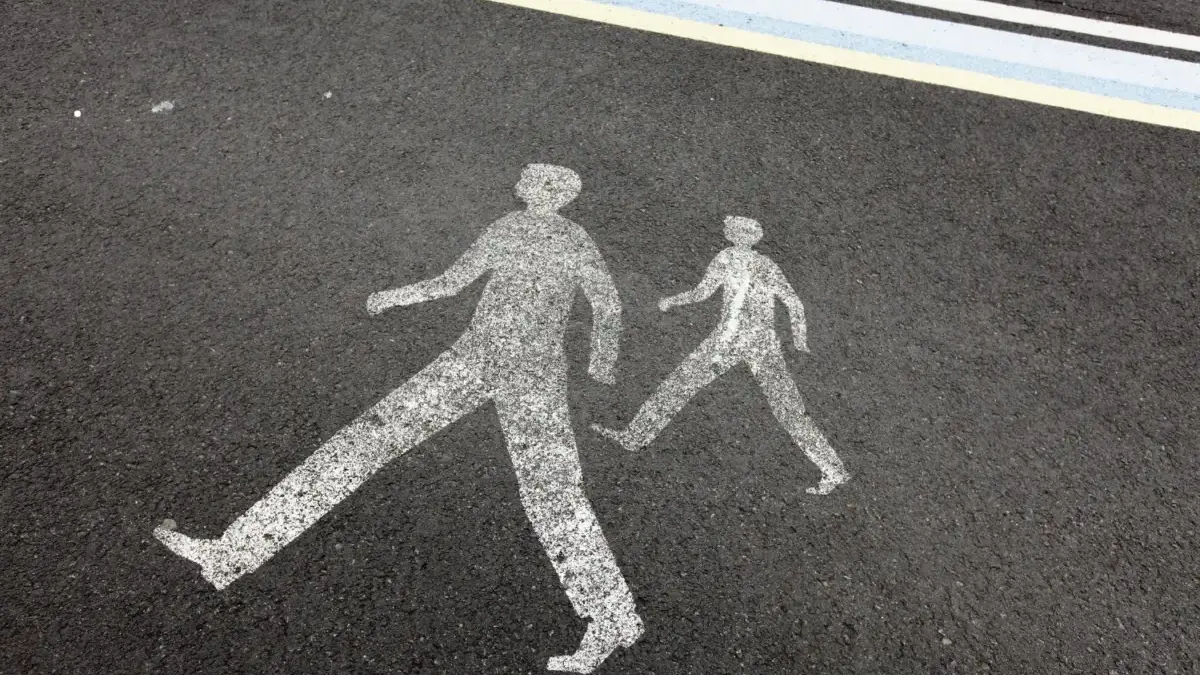
Pedestrians secure explicit legal priority at crosswalks, pedestrian zones, and specific turning maneuvers. In poorly lit rural areas, pedestrians walking along the road shoulder must wear reflective gear visible from 150 meters.
For the rapidly growing community of campervan and motorhome owners, the regulations introduce clear parking parameters: vehicles must rest entirely on their tires, are forbidden from deploying structural elements that protrude beyond the perimeter (such as awnings or stabilizing legs outside designated camping sites), and are strictly barred from discharging greywater or sewage into the urban environment.
Summary
Ultimately, Royal Decree 518/2026 establishes a demanding new social contract for Spanish transit. While it imposes heavier administrative and compliance duties on drivers, motorcyclists, cyclists, and scooter users alike, its ultimate design is to forge a safer, more predictable coexistence on roads shared by increasingly diverse transport modalities. As the October 2026 implementation date approaches, both private citizens and municipal authorities face a crucial window to adapt their habits to Spain’s new mobility era.



Leave a Reply