

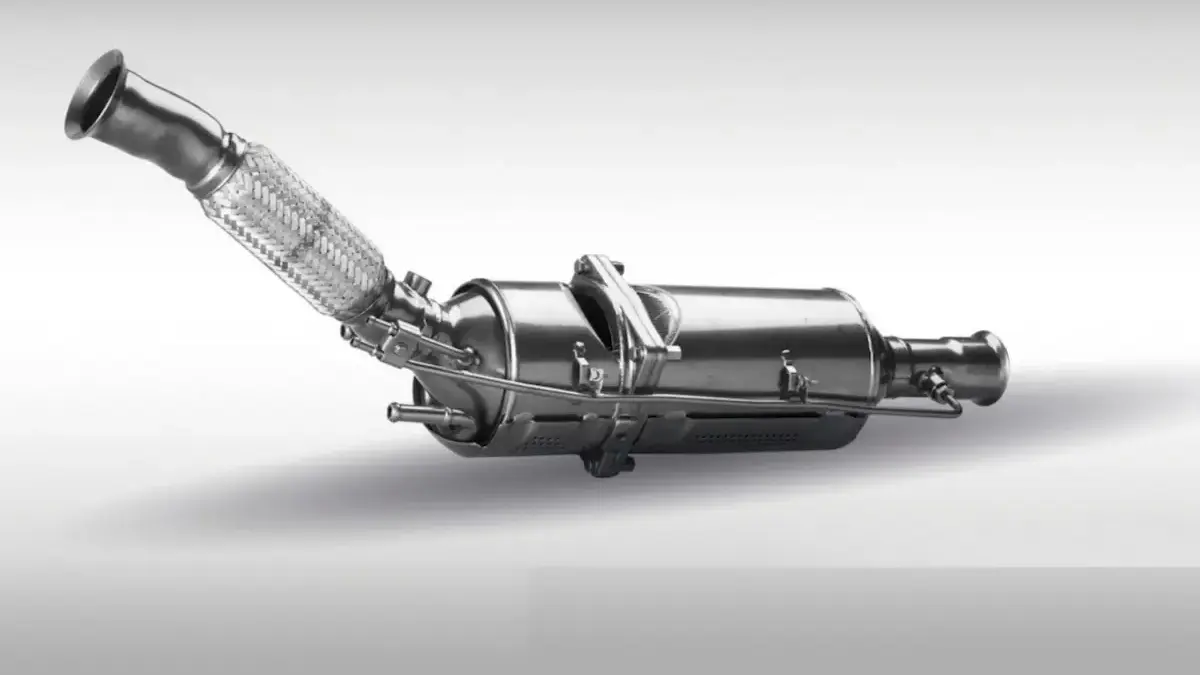
Main Facts: Understanding the Heart of Modern Diesel Emissions Control
For owners of diesel-powered vehicles manufactured after 2009, the Diesel Particulate Filter (known as a DPF in English-speaking markets, or FAP—Filtre à Particules—in French-influenced automotive terminology) is one of the most critical components under the chassis. Acting as a microscopic sieve integrated into the exhaust system, its primary function is to trap harmful soot, unburnt hydrocarbons, and particulate matter (PM) generated during the combustion of diesel fuel, preventing them from being expelled into the atmosphere.
However, this sophisticated environmental safeguard is also one of the most prone to failure when subjected to urban driving conditions. Designed for high temperatures and continuous operation, the DPF relies on a self-cleaning mechanism known as "regeneration." When a vehicle is driven exclusively for short city commutes, school runs, or quick grocery trips, the exhaust system never achieves the thermal threshold required to burn off the trapped soot. The result is a progressive accumulation of carbon deposits, leading to a clogged filter, degraded engine performance, and, if ignored, catastrophic mechanical failure.
Understanding how the DPF functions, recognizing the early symptoms of saturation, and adopting proactive maintenance habits are essential steps for any diesel vehicle owner looking to avoid repair bills that can easily run into thousands of dollars.
Chronology of a Failure: How a DPF Becomes Clogged
The degradation of a Diesel Particulate Filter does not happen overnight. It is a slow, progressive process dictated by driving habits, mechanical health, and thermal dynamics. The typical chronology of a DPF failure unfolds in distinct phases:
Phase 1: The Urban Trap (Early Stage)
The vehicle is driven primarily in start-stop urban traffic. The exhaust gas temperatures remain low (typically below 250°C), preventing any natural passive regeneration. Microscopic soot particles begin to adhere to the porous ceramic walls inside the filter canister. At this stage, the driver notices nothing, but the engine control unit (ECU) begins registering an increase in backpressure.
Phase 2: Interrupted Regenerations (Moderate Stage)
As backpressure rises, the ECU detects the soot buildup and attempts an "active regeneration." It alters fuel injection timing, introduces post-injections of diesel, and raises exhaust temperatures to around 550°C–600°C to burn off the carbon. However, because the driver frequently shuts off the engine upon reaching their urban destination, these active cycles are repeatedly interrupted. The soot remains unburnt, turning into a denser carbon crust.
Phase 3: The Warning Lights and Limp Mode (Critical Stage)
With the filter channels severely constricted, the pressure differential across the DPF exceeds safe operational limits. The dashboard illuminates the dedicated DPF warning light or triggers a generic "Check Engine" alarm. Concurrently, the vehicle enters limp mode (emergency mode), where the ECU restricts engine revolutions (often capping them at 2,500 to 3,000 RPM) to protect the turbocharger and cylinders from excessive exhaust backpressure.
Phase 4: Oil Dilution and Total Failure (Catastrophic Stage)
If the driver ignores the dashboard warnings and continues to force-drive the vehicle, consecutive failed regeneration cycles result in unburnt diesel fuel washing past the piston rings and down into the crankcase. This dilutes the engine oil, drastically reducing its lubricating properties. Without proper lubrication, the engine faces severe risks, ranging from seized bearings to thermal runaway, alongside irreversible physical damage to the DPF substrate.
Supporting Data: The Mechanics of Regeneration and Ash Accumulation
To manage a DPF effectively, one must distinguish between two fundamentally different types of residues trapped within the filter: soot and ash.
- Soot (Carbon): This is the byproduct of incomplete combustion. Soot is organic and combustible; it can be completely eliminated during high-temperature regeneration cycles.
- Ash (Inorganic Residue): Ash originates primarily from the metallic additives found in engine oils and, to a lesser extent, fuel impurities. Unlike soot, ash is completely incombustible. Over hundreds of thousands of kilometers, ash permanently accumulates inside the filter cells, ultimately dictating the absolute end of the DPF’s operational lifespan, regardless of how often the car is driven on the highway.
The Three Modes of Regeneration
- Passive Regeneration: Occurs naturally during sustained highway driving (typically speeds above 90 km/h for 20+ minutes). Exhaust gas temperatures reach the necessary levels organically due to high engine load, burning off soot continuously without driver intervention.
- Active Regeneration: Triggered automatically by the ECU when differential pressure sensors indicate a soot load threshold (e.g., 45%) has been reached. The computer artificially raises exhaust temperatures. Symptoms during this phase include a higher-than-normal idle speed, a distinct chemical odor, and cooling fans remaining active even after the engine is switched off.
- Forced Regeneration: A diagnostic procedure performed by a professional mechanic using an OBD2 diagnostic tool. The technician commands the vehicle’s computer to execute a stationary regeneration cycle while monitoring parameters to ensure engine safety.
Official Responses and Regulatory Standards: The Legal Landscape
Environmental agencies and automotive regulators across the globe have progressively tightened emission standards (from Euro 5 to Euro 6 and beyond), making functional particulate filters mandatory for diesel registration and roadworthiness.
The Legality of DPF Removal
In response to high replacement costs, a black market for "DPF delete" services—where the internal honeycomb structure of the filter is physically hollowed out and the ECU software is remapped to ignore sensor readings—flourished for years. However, regulatory bodies have closed this loophole aggressively.
- Technical Inspections (MOT / ITV): Modern periodic technical inspections incorporate advanced electronic diagnostics and high-precision opacimeters (smoke meters). Vehicles found with modified, empty, or malfunctioning DPFs fail their inspections instantly.
- Legal Penalties: In many jurisdictions across Europe and North America, tampering with emissions control systems constitutes a severe administrative and environmental offense, carrying heavy financial penalties, mandatory vehicle impoundment, or requirements to restore the vehicle to factory specifications at the owner’s expense.
Implications and Practical Solutions: From DIY Maintenance to Professional Repair
When a DPF begins showing signs of distress, vehicle owners have several avenues of intervention, categorized by the severity of the blockage.
1. Preventive Highway Runs (Early Intervention)
If the vehicle is primarily used in urban settings, schedule a weekly or bi-weekly trip of 25 to 30 minutes on an open highway or dual carriageway. Maintain engine speeds between 2,500 and 3,000 RPM (for instance, driving in fourth gear instead of sixth at 100 km/h). This elevated load and sustained exhaust temperature provide the ideal environment for passive regeneration.
2. Chemical Additives and Fuel Treatments
For minor accumulations, fuel additives designed to lower the combustion temperature of soot can be poured directly into the fuel tank prior to refueling. These chemical catalysts allow soot to burn off at lower exhaust temperatures (around 400°C instead of 600°C), facilitating easier regeneration during normal driving cycles.
3. Professional Cleaning and Ultrasonic Baths
When a filter is heavily saturated but structurally intact, replacement is often unnecessary. Professional workshops utilize specialized cleaning machines that pump heated water and chemical detergents through the DPF under controlled pressure, flushing out accumulated soot and loose ash. Alternatively, thermal baking kilns incinerate all remaining carbon, restoring the filter to near-factory flow rates at a fraction of the cost of a new OEM unit.
4. Holistic Diagnostic Checks
A clogged DPF is frequently a secondary symptom of another mechanical issue rather than a standalone failure. Mechanics emphasize checking related peripheral components before clearing or replacing the filter:
- EGR Valve (Exhaust Gas Recirculation): A stuck or carbon-choked EGR valve dumps excessive soot into the exhaust stream.
- Mass Air Flow (MAF) Sensor / Air Intake: Incorrect air-fuel ratios lead to incomplete combustion and heavy smoke generation.
- Thermostat Failures: If an engine fails to reach its optimal operating temperature (around 90°C), the ECU will permanently disable active DPF regeneration routines to protect the emissions system.
- Additivated Fuel Systems (e.g., PSA Group Eolys Fluid): Vehicles utilizing fluid-additive systems must have their additive reservoirs periodically refilled; an empty reservoir halts all automatic regeneration attempts.
5. Best Practices for Long-Term Health
To prevent future blockages, diesel owners should adopt rigorous preventive habits:
- Use Low-SAPS Oils: Always use engine oils certified as "Low SAPS" (Sulfated Ash, Phosphorus, and Sulfur). Standard oils produce high levels of incombustible ash that permanently clog the filter cells.
- Never Ignore Warning Lights: Address the initial illumination of a DPF or engine management light immediately with a highway run or diagnostic scan.
- Monitor Oil Levels: Regularly check the engine oil dipstick. A rising oil level indicates fuel dilution from failed regeneration cycles, requiring an immediate oil and filter change alongside DPF servicing.
By recognizing the early warning signs, understanding the underlying thermodynamic processes, and breaking free from purely urban driving routines, diesel vehicle owners can extend the lifespan of their particulate filters, protect vital engine components, and ensure compliance with strict environmental regulations.




Leave a Reply