

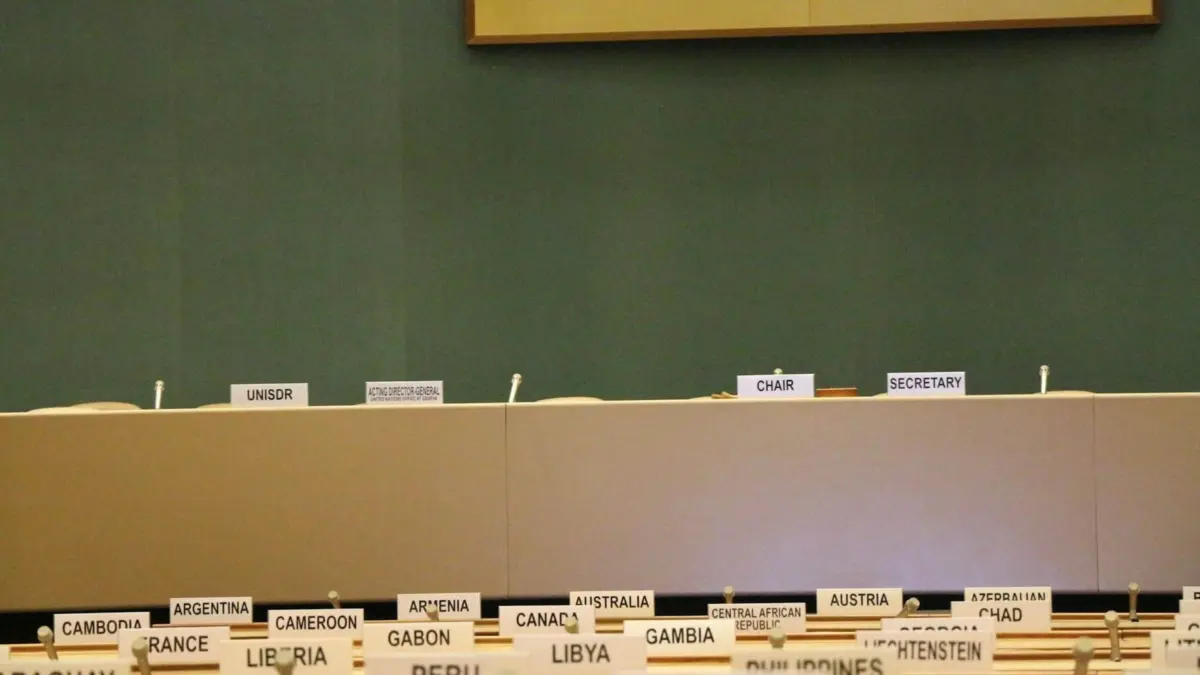
NEW YORK — After a grueling, high-stakes week of impassioned rhetoric, stark warnings, and intense diplomatic maneuvering, the international community brought the high-level General Debate of the United Nations to a close. Operating under the guiding theme “Restoring trust, managing transformation: A United Nations that responds to the needs of all,” the assembly served as a global barometer for the state of international affairs.
From the existential threat of climate breakdown and the rapid, unregulated proliferation of artificial intelligence to protracted geopolitical conflicts and deepening global economic divides, world leaders laid bare the fractures defining the twenty-first-century geopolitical landscape. Yet, as the final gavel fell, the overarching narrative of the week crystallized around a singular, pressing imperative: the urgent need to fundamentally reform global financial architecture to prevent vulnerable nations from bearing the brunt of crises they did not create.
Main Facts
The conclusion of the high-level gathering marked the end of days of continuous deliberations at UN Headquarters. The core pillars of the discourse centered on how multilateral institutions, primarily the United Nations, can regain the trust of a fractured global populace and effectively manage cascading systemic shocks.
- The Core Mandate: The overarching framework of the sessions focused on restoring international trust and fostering proactive transformation, moving away from reactive crisis management toward anticipatory global governance.
- Climate Finance Over Charity: A defining consensus among developing and climate-vulnerable nations was that financial support for climate adaptation and mitigation must be treated as a matter of binding international justice and structural resilience, rather than post-disaster humanitarian charity.
- Multidimensional Crises: The agenda spanned a vast array of compounding global emergencies, prominently featuring geopolitical warfare, the humanitarian efficacy of the UN, climate change mitigation, the widening wealth gap between nations, and the governance of emerging technologies such as artificial intelligence.
- Systemic Vulnerability: Representatives from the Global South forcefully argued that the current international financial system systematically margins developing economies, locking them into cycles of debt and underdevelopment when they attempt to recover from climate-induced catastrophes.
Chronology of the Final Session
The culmination of the General Debate on September 28 unfolded through a carefully structured series of high-level interventions and institutional assessments, shifting the week’s broad ideological debates into targeted calls for operational reform.
Morning Session: Setting the Tone for Financial Equity
Beginning at 9:00 AM, the final day’s proceedings immediately pivoted toward economic resilience and structural adaptation. Rather than dwelling solely on emission reduction targets—though carbon reduction remained a baseline demand—the morning session zeroed in on the mechanics of survival for low-income and island nations.
Speakers emphasized that developing economies are routinely forced into impossible fiscal trade-offs: servicing crushing national debts or financing disaster prevention and post-disaster reconstruction. The dialogue established a clear rejection of traditional models of international aid, framing them as paternalistic and inadequate for the scale of modern climate emergencies.
Midday Interventions: Amplifying Vulnerable Voices
As the day progressed, the floor was ceded to nations on the front lines of ecological collapse. Representatives utilized their allotted time to dismantle the economic boundaries traditionally imposed by international financial institutions.
Delegates argued that international law and global financial mechanisms must operate independently of a nation’s GDP when determining access to emergency relief and preventative infrastructure funds. The focus shifted decisively toward pre-disaster planning—funding early-warning systems, climate-resilient agriculture, and reinforced infrastructure before natural disasters exact their inevitable human and economic tolls.
Afternoon: Official Closure and Statistical Overview
The debate officially concluded with formal remarks from the leadership of the General Assembly. President of the Assembly Khalilur Rahman took the podium to summarize the exhaustive efforts of the preceding week, presenting a comprehensive statistical breakdown of global diplomatic engagement.
Rahman highlighted that 193 distinct delegations took to the podium over the course of the week, representing virtually the entirety of the international community. The platform served not only as a megaphone for sovereign grievances but as a registry of global consensus on the absolute necessity of institutional reform.
Supporting Data and Participation Metrics
The quantitative footprint of the high-level week underscores the gravity with which member states view the current geopolitical and environmental climate. According to official statistics released at the close of the assembly, the global appetite for multilateral engagement remains intensely high, even as faith in multilateral outcomes frays.
- Total Delegations: 193 member state delegations participated directly in the General Debate.
- Heads of State: 113 heads of state personally addressed the assembly, signaling the supreme importance national leaders assigned to this year’s discussions.
- Monarchical Representation: 1 crown prince delivered an address on behalf of his nation’s royal leadership and government.
- Executive Leadership: 11 vice presidents took the floor to outline their nations’ strategic priorities.
- Governmental Deputies: 7 vice prime ministers contributed to the ministerial perspectives of the debate.
- Ministerial Participation: 48 foreign ministers and specialized cabinet ministers rounded out the high-level speakers, driving home technical points on finance, security, and environmental policy.
These figures illustrate that despite persistent critiques regarding the UN’s executive impotence in the face of major armed conflicts, the organization remains the premier, irreplaceable global forum for sovereign expression and diplomatic positioning.
Official Responses and Key Country Interventions
The ideological core of the final day was forged through the stark, uncompromising testimonies of nations experiencing the direct consequences of global inaction. Two interventions, in particular, captured the philosophical shift demanded by the Global South:
Vanuatu: Rejecting Economic Distinctions in International Rights
Odo Tevi, representing the Pacific Island nation of Vanuatu—a state facing an existential threat from rising sea levels—delivered one of the most resonant critiques of the week. Tevi forcefully asserted that international law and basic human protections must not be dictated by economic stratification.
"We should not take economic distinctions into account when upholding the tenets of international justice and human survival," Tevi argued during his address.
He criticized the international community’s habitual response to climate disasters in vulnerable regions: chronic underinvestment in preventative frameworks, followed by belated, highly publicized humanitarian "charity" only after catastrophic loss of life and property has occurred. Vanuatu’s stance underscored the demand for institutionalized, legally binding loss-and-damage mechanisms that treat climate survival as an enforceable right rather than a discretionary act of global philanthropy.
Malawi: Pre-Disaster Investment Over Debt-Inducing Aid
Shifting the geographical lens to southeastern Africa, Malawi’s representative, Minister George Chapatula, concentrated his intervention on the intersection of climate action, economic development, and debt sustainability. Chapatula’s remarks focused heavily on the urgent requirement for upfront investment in structural security.
Chapatula cautioned against financial aid models that inadvertently trap developing nations in spiraling cycles of indebtedness. When international assistance is issued strictly as high-interest loans for post-disaster reconstruction, nations are effectively penalized twice: first by the climate disaster itself, and second by the financial markets that profit from their recovery. Malawi called for direct, non-repayable grants and sustainable development investments designed to fortify agricultural sectors and civil infrastructure against climate shocks before they materialize.
Implications for Global Governance and the Future
As the dust settles on the 81st session’s General Debate, the international community faces a sobering reality check. The vast chasm between the rhetoric delivered from the podium in New York and the grim realities on the ground in conflict zones and climate-vulnerable regions remains wide.
1. The Crisis of Multilateral Financing
The central takeaway from the week is that global governance is fundamentally a crisis of resource allocation and trust. Without a radical overhaul of institutions like the World Bank and the International Monetary Fund (IMF), developing nations will continue to view global climate summits and UN assemblies with deep skepticism. The insistence on replacing "charity" with structural financing is not merely a rhetorical preference; it is an economic prerequisite for global stability.
2. Human Rights, Climate Justice, and Accountability
Human rights and climate action were inextricably linked throughout the week’s discussions. Delegations repeatedly framed environmental degradation not simply as a scientific or ecological failure, but as a profound violation of fundamental human rights. The growing momentum behind establishing a permanent, adequately capitalized global fund specifically designated for repairing climate-induced damages points toward a potential paradigm shift in international liability.
3. The Path Forward: Anticipatory Action vs. Reactive Relief
The United Nations has once again utilized its General Debate to serve as the ultimate diagnostic tool for humanity’s collective ailments. However, the true measure of this week’s success will not be found in the eloquence of the 113 heads of state who spoke, but in whether their words translate into binding, operational commitments.
As the UN leadership emphasized in closing, the value of these debates lies entirely in their capacity to catalyze joint action, mitigate systemic risks, and forge cooperative solutions before the next global crisis cascades out of control. For the world’s most vulnerable populations, the clock is ticking, and the demand for a responsive, equitable multilateral system has never been more urgent.



Leave a Reply