

For decades, buying a car meant purchasing a finished product. From the exact moment a vehicle rolled off the dealership floor and onto the open asphalt, its physical and digital capabilities began a slow, inevitable march toward obsolescence. Mechanical wear aside, the software powering its dashboard, safety nets, and engine management was locked in time, destined to remain unchanged for the vehicle’s entire lifecycle unless a physical trip to the dealership was made.
Today, that paradigm has been thoroughly shattered. Just as modern smartphones quietly download background patches overnight to fix security vulnerabilities or introduce groundbreaking features, contemporary automobiles have evolved into sophisticated computers on wheels. At the heart of this revolution are Over-the-Air (OTA) updates—wireless software transmissions that allow cars to continuously evolve, improve, and adapt while parked securely in a home garage.
As automotive engineering increasingly merges with consumer electronics, understanding the mechanics, benefits, and inherent risks of OTA updates is no longer reserved for tech enthusiasts; it is essential knowledge for every modern driver.
Main Facts: The Anatomy of Modern Automotive Software
The integration of OTA updates represents the most significant shift in automotive architecture since the transition from carburetion to electronic fuel injection. To comprehend the scope of this transformation, it is vital to break down how these remote modifications interact with a vehicle’s core systems.
What Are OTA Updates?
OTA updates are remote wireless downloads delivered via cellular networks (such as 4G and 5G) or local Wi-Fi connections. Rather than requiring a mechanic to plug a diagnostic tool into an OBD-II port at a service center, automotive manufacturers can push new code straight to a vehicle’s electronic control units (ECUs).
The Shift from Hardware to Software-Defined Vehicles (SDVs)
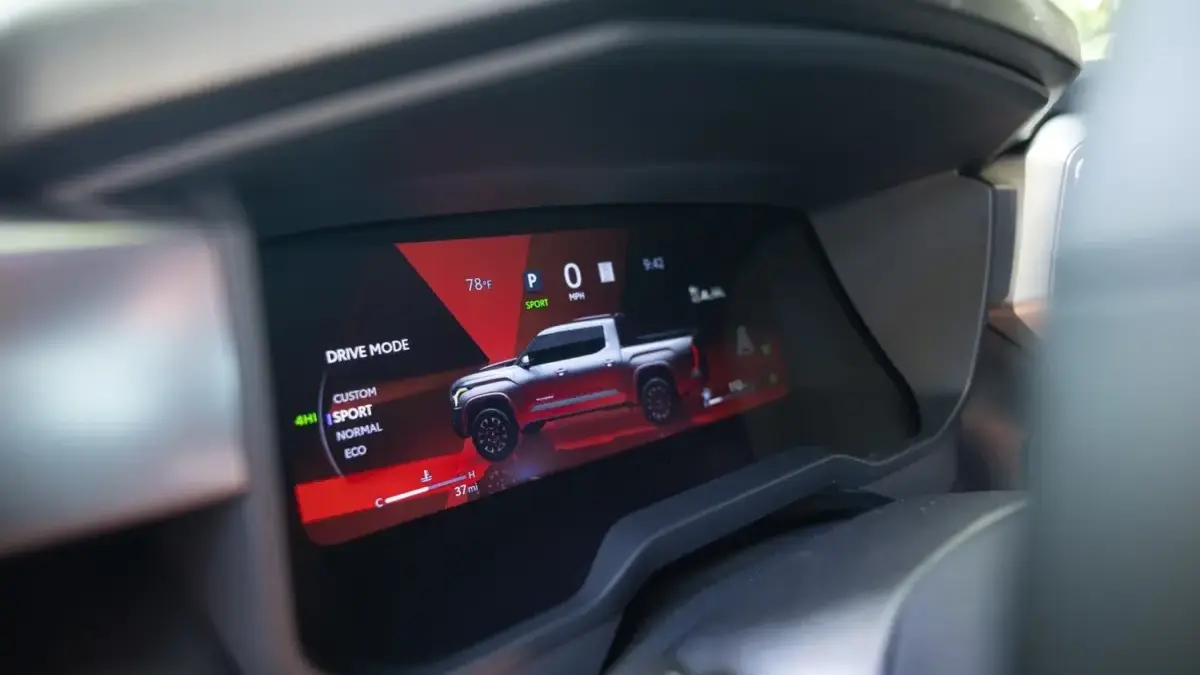
Modern cars contain dozens—sometimes close to a hundred—distributed computers known as Electronic Control Units. These manage everything from anti-lock braking systems (ABS) and advanced driver-assistance systems (ADAS) to infotainment displays and climate control. In a Software-Defined Vehicle, physical components are increasingly controlled or augmented by software code. This means a tweak to a digital parameter can fundamentally alter physical behavior, such as suspension stiffness, throttle response, or regenerative braking intensity.
The Two Tiers of Updates
Not all OTA updates carry the same weight. They generally fall into two categories:
- Infotainment and Comfort Patches: These lightweight downloads affect non-critical systems, such as the user interface, Bluetooth connectivity, navigation maps, and media streaming apps. They usually install quickly and carry minimal risk.
- Deep System and Powertrain Updates: These are complex, comprehensive updates that interact with safety systems, battery management modules, and powertrain controllers. They require rigorous safety protocols and often demand that the vehicle remain completely immobilized during the installation process.
Chronology: From Diagnostic Ports to Cloud-Connected Fleets
The journey toward ubiquitous wireless automotive updates did not happen overnight. It is the result of a gradual convergence between telematics, cellular data expansion, and consumer demand for consumer-electronics-style integration.
- The Early 2000s (The Diagnostic Era): Early automotive computing relied almost entirely on static ROM chips. If a bug was discovered in a vehicle’s transmission control module, owners received recall notices requiring them to physically visit a dealership so technicians could manually flash the system using wired equipment.
- The Mid-2000s (The Rise of Telematics): Systems like General Motors’ OnStar introduced the earliest forms of cellular vehicle connectivity. While primarily used for emergency response, remote door unlocking, and basic vehicle diagnostics, these embedded modems laid the crucial physical groundwork for remote communication.
- 2012 (The Tesla Disruption): With the introduction of the Model S, Tesla pioneered comprehensive OTA updates that extended far beyond infotainment. Tesla demonstrated that a car could literally get faster, safer, and more efficient overnight through remote code pushes, forcing legacy automakers to reevaluate their entire software strategies.
- The Late 2010s (Regulatory Awakening): As connected cars multiplied, regulatory bodies recognized the urgent need for standardization. International bodies began drafting frameworks to govern software integrity and cybersecurity.
- 2020–Present (The Regulatory Era of UNECE R155 and R156): The United Nations Economic Commission for Europe introduced landmark regulations (UNECE R155 for cybersecurity management and R156 for software update management systems). Compliance became mandatory for new vehicle types in major global markets, cementing OTAs as a legally regulated, standardized industry practice.
Supporting Data: The Scale and Impact of Remote Updates
The shift toward OTA-capable fleets is transforming not only how drivers experience their vehicles, but also the fundamental business model of automotive manufacturing.
- Massive Cost Reductions for Manufacturers: Traditionally, issuing a software-related recall required mailing millions of physical notices, compensating dealerships for labor hours, and absorbing parking lot congestion. Industry estimates suggest that resolving software bugs via OTA cuts direct recall campaign costs by up to 90%.
- Accelerated Deployment of Safety Fixes: According to automotive safety analysts, the average time required to deploy a safety-critical patch drops from months (under the traditional physical recall system) to mere days or hours via an automated OTA rollout.
- The Subscription and Feature-on-Demand Economy: Data from automotive market researchers indicates that feature-on-demand services—unlocked remotely via software after purchase, such as heated seats, enhanced autopilot features, or increased battery performance—represent a multi-billion-dollar revenue stream projected to scale rapidly through the 2030s.
- EV Efficiency Gains: For electric vehicles (EVs), thermal management updates delivered via OTA have demonstrated real-world range increases of 3% to 7% simply through more intelligent conditioning of the battery pack and inverter efficiency.
Official Responses and Regulatory Frameworks
As vehicles become rolling data centers connected to the cloud, governments, regulatory agencies, and automotive coalitions have stepped in to establish strict guardrails. The dual imperatives of innovation and security have sparked intense cooperation—and oversight—across the globe.
UNECE Regulations R155 and R156
The introduction of UNECE regulations has fundamentally changed how automakers approach software delivery.
- R155 (Cybersecurity Management System): Requires manufacturers to prove they have robust systems in place to identify, assess, and mitigate cyber threats across the entire lifecycle of a vehicle model.
- R156 (Software Update Management System): Mandates that automakers maintain rigorous version control, ensure secure verification of software authenticity before installation, and guarantee that updates do not compromise vehicle safety or type approval standards.
Manufacturer Stances and Safety Protocols
Major global manufacturers—ranging from legacy giants like Volkswagen and Ford to EV specialists like Rivian and Lucid—have established dedicated software divisions (such as Volkswagen’s Cariad). Official statements from these entities emphasize that safety remains the non-negotiable priority during any OTA deployment.
Manufacturers uniformly mandate strict pre-conditions:
- The vehicle must be parked in a secure location.
- The transmission must be in "Park" with the electronic parking brake engaged.
- The high-voltage system (in EVs) or 12V battery must maintain a high state of charge to prevent power loss mid-installation.
- Critical safety functions are explicitly locked out or placed into a fail-safe mode while updates are being written to memory sectors.
Implications: The Future of Driving, Security, and Ownership
While the convenience and performance benefits of OTA updates are undeniable, this technological leap introduces complex implications that will shape the future of personal mobility.
1. Enhanced Performance and Longevity
The most exciting implication for consumers is anti-obsolescence. Instead of a car degrading the moment it leaves the lot, an OTA-capable vehicle can gain new safety features, improved user interfaces, and optimized powertrain logic years into its ownership cycle. For electric vehicles, battery degradation can be partially mitigated through continuous algorithmic refinements that optimize charging curves and thermal thresholds.
2. Cybersecurity Vulnerabilities
Every digital door opened for a beneficial software download is a potential vector for malicious intrusion. If an automaker fails to implement robust digital signatures, cryptographic keys, and end-to-end encryption, malicious actors could theoretically intercept or inject compromised code. The nightmare scenario—remote manipulation of steering or braking systems—drives the massive cybersecurity investments currently being made across the industry.
3. System Stability and "Bricking"
A failed software flash—whether caused by a sudden drop in cellular connectivity, a failing 12V battery, or a corrupted code packet—can result in a "bricked" vehicle; a state where the car’s computer systems are rendered entirely inoperable. While recovery modes and dual-bank memory architectures (where a backup system takes over if the primary update fails) are becoming standard, instances of vehicles requiring flatbed towing to a service center after a botched nocturnal update remain a tangible risk.
4. Privacy Concerns and Data Monetization
To deliver personalized experiences and diagnostic improvements, connected cars harvest an unprecedented volume of telemetry data. Driving habits, GPS locations, charging patterns, and cabin interactions are continuously logged and transmitted to cloud servers. This raises critical questions regarding user privacy, data ownership, and whether consumers retain the right to opt out without sacrificing core vehicle functionalities.
5. Technological Obsolescence and the Digital Divide
Just as older smartphones eventually stop supporting the latest operating systems due to hardware limitations, cars face a similar ceiling. Older processors and restricted internal memory modules may eventually prove incapable of running advanced third-party apps or heavy AI-driven driver-assistance suites. This creates a new form of automotive stratification: a digital divide separating fully upgradable modern platforms from legacy connected vehicles whose support lifecycles have expired.
Best Practices for a Safe OTA Experience
To maximize the benefits of wireless updates while minimizing potential risks, experts recommend the following guidelines for modern vehicle owners:
- Park in Stable Connectivity Zones: Ensure your vehicle has a reliable Wi-Fi signal or strong cellular reception before initiating a download to avoid incomplete or corrupted data transfers.
- Never Ignore Critical Safety Patches: While skipping an infotainment update is harmless, ignoring safety-critical patches can leave your vehicle vulnerable to known software bugs or compliance gaps.
- Monitor Your 12V Battery Health: Because the low-voltage battery powers the vehicle’s electronic architecture during a flash procedure, ensure your battery is in prime condition, especially in older vehicles.
- Read the Release Notes: Always review the manufacturer’s release notes to understand what changes are being made to your vehicle’s performance, user interface, or safety systems.
Conclusion
The transformation of the automobile into a software-defined asset is an irreversible milestone in automotive history. Over-the-Air updates have redefined what a car is, shifting our perception from a static assembly of mechanical parts to a dynamic, evolving digital platform.
As regulatory frameworks mature and cybersecurity measures harden, the friction between traditional automotive engineering and fast-paced software development will continue to smooth out. Ultimately, maintaining your car’s software ecosystem has become just as vital a pillar of modern vehicle ownership as checking engine oil levels, monitoring tire pressures, and scheduling routine brake inspections—ensuring that your vehicle remains safer, smarter, and more efficient with every passing mile.

Leave a Reply