

By Global News Desk
Published: October 10
Main Facts
In the wake of the catastrophic August 10 earthquake, the acoustic signature of Pereira, Colombia, underwent a profound and jarring transformation. The vibrant city—renowned across the region for its bustling cultural scene, historic plazas, and an energetic nightlife pulsating with live bands, acoustic troubadours, and electronic beats—was suddenly silenced. The melodic hum of cafes, bars, and restaurants gave way to a harrowing urban symphony: the wail of emergency sirens, the heavy, rhythmic thrum of demolition machinery, and the hushed, urgent voices of search-and-rescue teams picking through rubble.
For the city’s creative class, the disaster was not merely a structural catastrophe; it was an economic and existential annihilation. Singers, instrumentalists, sound engineers, DJs, lighting technicians, and logistics crews found their livelihoods instantly erased as cultural venues were shuttered, condemned, or destroyed.
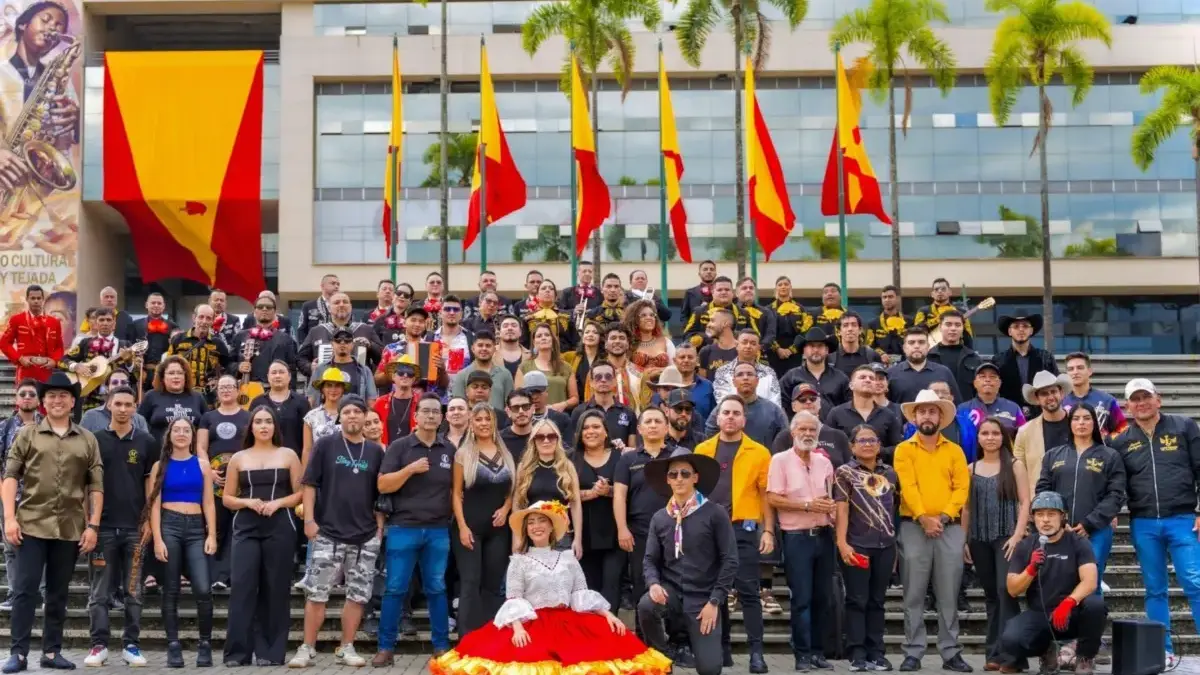
Yet, out of the heavy quiet of mourning and crisis, a remarkable grassroots movement emerged. Dubbed "Pereira Resuena" (Pereira Resonates), this collective of artists refused to let the city’s spirit remain buried. Rejecting the notion that music was inappropriate during a time of collective grief, these cultural workers reframed their art not as superficial entertainment, but as an essential instrument for emotional and social healing. Organizing with unprecedented solidarity, they have transitioned from victims of a natural disaster to architects of the city’s psychological and economic reconstruction.
Chronology: From Silence to Solidarity
Phase 1: The Silence of the Rubble (August 10 – Late August)
Immediately following the earthquake, Pereira’s cultural life ground to a complete halt. Traditional performance spaces were deemed unsafe or suffered catastrophic damage. For the first few weeks, the city’s priorities were strictly survival, rescue, and triage.
Musicians and backstage professionals faced an immediate financial vacuum. Operating largely within an informal economy without safety nets, paid gigs vanished overnight. During this initial period of collective trauma, returning to the stage felt complicated; many artists wrestled with whether performing while the city was in mourning was tone-deaf or insensitive. However, as the initial shock subsided, a realization dawned: the city was not just physically fractured; its social fabric was torn. Music was not a distraction from the pain—it was the balm required to soothe it.
Phase 2: The Birth of "Pereira Resuena" (Late August – Early September)
As artists began informally checking in on one another, spontaneous conversations evolved into structured meetings. Breaking away from their usual insular silos, musicians, promoters, and technicians gathered to ask a fundamental question: What can we offer a city that is hurting?
Rejecting a posture of victimhood, the collective adopted a philosophy of active contribution. As member Juan Gufo articulated, "We are the ambassadors of joy, of entertainment, of playfulness; we are the art of gathering. And the people right now are cracked." Fellow member Aguasanta Carreyo echoed this sentiment with a poignant manifesto: "We sing because we are alive, and we sing for those who cannot sing."
By the final week of August, the disparate voices coalesced under a unified banner: Pereira Resuena. Their guiding ethos became simple yet powerful: any single artist can make a sound, but together, they create the resonance of Pereira.
Phase 3: Structuring the Resistance (September – Present)
Moving beyond emotional solidarity, the collective recognized that inspiration alone would not pay rent or buy groceries. In September, Pereira Resuena launched an ambitious logistical campaign to map the crisis within the creative sector, transforming from an ad-hoc support group into a formal socio-economic engine for the arts.
Today, the collective is actively building permanent bridges between artists and the commercial sector, ensuring that recovery is sustainable, equitable, and long-lasting.
Supporting Data: The Human and Economic Toll
The earthquake exposed a precarious vulnerability long whispered about within Colombia’s cultural corridors: the vast majority of arts professionals operate in informal labor markets, surviving on weekly wages with zero access to institutional safety nets, unemployment insurance, or severance packages.
According to data compiled by the collective and municipal agencies:
- The Broader Ecosystem: The local cultural sector in Pereira comprises an estimated 7,000+ artists, technicians, and support staff.
- Official Registry: By early September, the Secretariat of Culture of Pereira registered 1,119 cultural workers who directly reported impacts from the disaster.
- Economic Distress: Among those registered, 700 to 800 individuals explicitly declared severe, immediate economic hardship.
- Musicians Affected: Within the registered pool, approximately 500 are musicians and live performers, losing 100% of their performance-based income during the peak disaster response weeks.
These figures illustrate a stark reality: for hundreds of families, the loss of a venue meant an immediate descent into poverty, highlighting the urgent need for structural intervention rather than temporary charity.
Official Responses and Institutional Engagement
In the wake of the disaster, local government bodies and private entities have scrambled to address the multi-layered crisis. The Secretariat of Culture of Pereira initiated rapid-response censuses to quantify the damage, serving as the baseline data source for civil society initiatives.
However, bureaucratic response times and limited municipal budgets have left significant gaps, prompting grassroots movements like Pereira Resuena to step in and shoulder operational burdens. The collective has initiated direct dialogues with public institutions and private sector stakeholders—including restaurants, cafes, hotels, and shopping centers—to establish cooperative frameworks.
The "Tarimas para Todos" (Stages for All) Strategy
Recognizing that a one-off benefit concert is a mere drop in the ocean, Pereira Resuena has conceptualized Tarimas para Todos (Stages for All). This ongoing initiative aims to partner with commercial and civic institutions to create a formalized, rotating schedule of live performances across the city.
Rather than concentrating wealth or performance opportunities among a handful of well-established acts, the strategy is engineered to distribute gigs equitably across Pereira’s diverse musical ecosystem—from indie rock bands and jazz ensembles to traditional folk musicians and electronic DJs.
Furthermore, the collective has built a comprehensive talent portfolio. This database categorizes artists by genre, technical requirements, availability, and financial needs, providing local businesses with a plug-and-play directory to safely and efficiently re-engage live entertainment.
Implications: A Transformed Cultural Landscape
The August 10 earthquake, while devastating, has inadvertently catalyzed a historic restructuring of Pereira’s artistic community. The implications of this crisis response extend far beyond immediate disaster relief:
1. Dismantling Hyper-Competition
Historically, Pereira’s music scene—like many vibrant urban cultural hubs—suffered from intense internal competition, cliques, and fragmentation. Artists frequently operated in isolation, fighting for scraps in a saturated nightlife market. The tragedy forced a radical paradigm shift. Today, seasoned veterans and emerging artists share the same tables, exchanging contacts, sharing stages, and advocating for one another. As veteran musicians adopt a policy of bringing up-and-coming acts onto the bill with them ("If they book me, I bring this artist along"), a culture of scarcity is actively being replaced by a culture of abundance.
2. Professionalization and Capacity Building
The crisis has forced the sector to confront its structural informality. Through workshops, peer-to-peer mentoring, and institutional partnerships, Pereira Resuena is educating younger and independent artists on commercialization, copyright, formalization, and professional stage production. This upskilling ensures that when the city fully recovers, its artists will be more resilient, business-savvy, and economically secure.
3. Culture as Civic Infrastructure
Perhaps the most significant implication is the redefinition of culture’s role in urban resilience. Governments historically view parks, roads, and utilities as the primary elements of post-disaster reconstruction. Pereira Resuena is proving that music and art are critical civic infrastructure. They are the tools through which a traumatized populace metabolizes grief, reclaims public spaces, and restores a sense of normalcy and psychological safety.
Looking Forward: The Sound of a Rebuilding City
One month after the ground shook beneath Pereira, the members of Pereira Resuena remain humble about the road ahead. Many of their grander visions—such as establishing a permanent municipal endowment fund for the arts and creating a permanent unionized advocacy body—are still works in progress.
Yet, every time a shuttered cafe rolls up its metal security gate, every time an acoustic guitar is tuned in a public square, and every time a crowd gathers to lose themselves in a familiar melody, Pereira takes another step away from the tragedy and toward the future.
The earthquake sought to reduce Pereira to silence and rubble. Instead, it triggered an awakening. As the collective continues its call to action—urging business owners, citizens, and institutions to build bridges with the artistic community—the message remains clear:
To rebuild a city, you must first help it sing again. And in Pereira, the music is returning, louder, more united, and more resilient than ever before.

Leave a Reply