

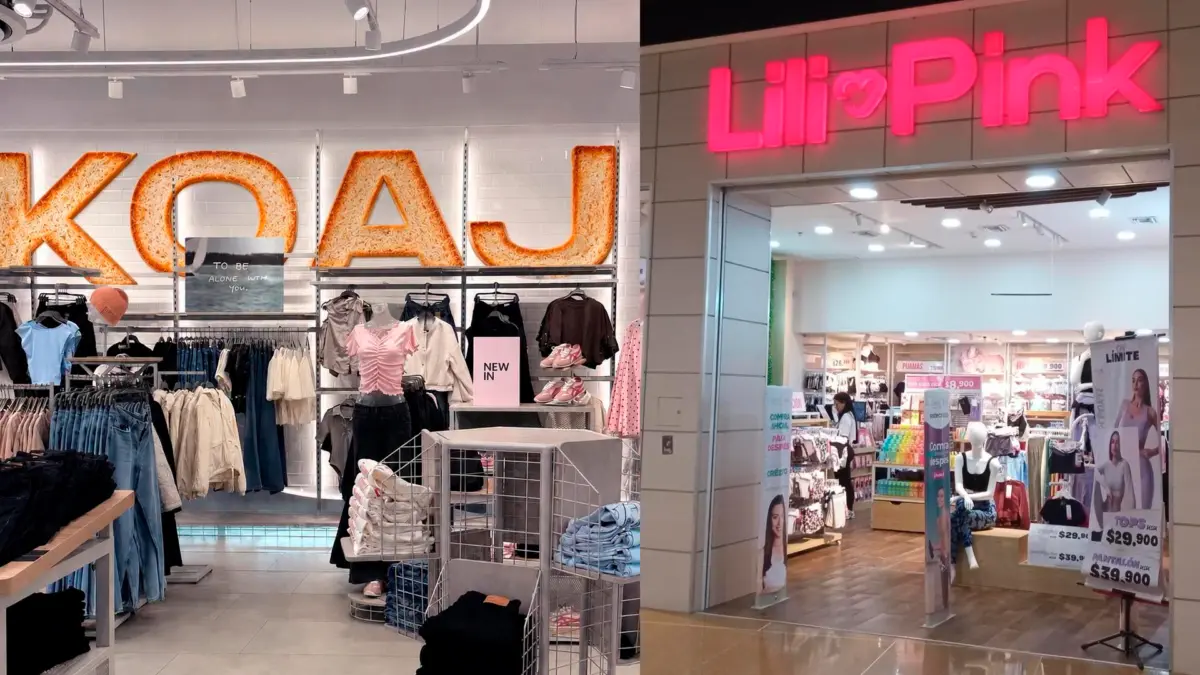
BOGOTÁ, COLOMBIA — In one of the most high-profile financial intervention operations of the decade, Colombian authorities executed a sweeping asset forfeiture operation on Monday, September 21, 2026. The coordinated raids targeted 38 high-value properties across Bogotá and the surrounding Cundinamarca department, with an estimated combined valuation of nearly 380 billion Colombian pesos (approximately $95 million USD).
Among the properties subjected to emergency legal measures are flagship commercial spaces and strategic locales housing some of the country’s most ubiquitous retail chains, notably Koaj and Lili Pink. The intervention—carried out jointly by the Prosecutor General’s Office (Fiscalía General de la Nación), the Thirteenth Brigade of the National Army, the Technical Investigation Corps (CTI), and the Special Assets Society (Sociedad de Activos Especiales, or SAE)—marks a dramatic escalation in an ongoing, multi-layered federal investigation into transnational contraband, organized crime, and sophisticated money laundering networks.
While the operation has sent shockwaves through Colombia’s retail and business sectors, legal experts emphasize that the seizures represent a precautionary phase within a broader judicial framework. As investigators delve deeper into the paper trails connecting commercial real estate to illicit capital, consumers, employees, and investors are left grappling with the immediate operational and reputational fallout.
1. Main Facts: The Scope of the Operation and Affected Assets
The judicial actions undertaken on Monday were not confined to a single storefront or warehouse; rather, they represented a comprehensive systemic freeze of real estate assets alleged to be tied to illicit enrichment.
According to official disclosures from the Fiscalía, the operation targeted 38 distinct properties located in strategic commercial and residential zones throughout Bogotá and the broader Sabana region. The total inventory of seized assets carries an astronomical valuation of $379,873,000,000 COP.
The diversified portfolio of targeted real estate includes:
- Commercial Locales: High-traffic retail storefronts currently housing operational branches of popular fashion and apparel brands Koaj and Lili Pink.
- Industrial and Logistics Infrastructure: Multiple large-scale warehouses (bodegas) utilized for inventory storage and distribution networks.
- Residential and Investment Real Estate: High-end apartments situated in exclusive districts of the capital.
- Auxiliary Commercial Spaces: Numerous parking structures and expansive rural estates (fincas) spanning Cundinamarca.
Legal Mechanisms Imposed
The properties were subjected to strict precautionary measures under Colombian asset forfeiture law (extinción de dominio), which include:
- Embargo (Attachment): Placing a legal lien on the properties to prevent any civil transactions or encumbrances.
- Sequestration: Removing the properties from the control of their current owners or legal possessors and transferring physical and administrative custody to the state.
- Suspension of the Power of Disposition: Stripping legal entities and individuals of the right to sell, transfer, lease, or otherwise leverage the assets while judicial investigations proceed.
Crucially, authorities underscored that these measures are designed to preserve the assets while the state builds its evidentiary case. If the prosecution successfully proves in court that the properties were acquired with or used to launder illicit capital, ownership will be permanently transferred to the state.
2. Chronology: The Escalating Investigation into Lili Pink and Associated Networks
The events of September 21 did not occur in a vacuum; they represent the culmination of a meticulously planned, months-long law enforcement strategy targeting corporate fronts used by organized crime.
April 27, 2026: The Initial Nationwide Raids
The public-facing phase of this sprawling investigation gained national prominence late in the spring. On April 27, 2026, the Fiscalía General de la Nación executed a massive, coordinated sweep involving hundreds of commercial establishments linked to the Lili Pink brand.
At the time, investigators descended upon retail locations, corporate offices, and administrative headquarters across multiple Colombian departments. The operation was launched under the suspicion that the brand’s expansive commercial footprint was being systematically exploited to facilitate money laundering, large-scale contraband smuggling, and conspiracy to commit a crime (concierto para delinquir).
Prosecutors alleged that illicit fortunes—potentially amassed through transnational smuggling rings operating along Colombia’s borders—were being funneled into the domestic economy by purchasing high-value real estate and embedding dirty money into legitimate retail revenue streams.
The Arrest of Key Legal Counsel
As the net tightened around the corporate architecture supporting the retail chains, investigators targeted individuals suspected of orchestrating the legal and financial mechanisms masking the origin of the funds.
Among the high-profile targets of the April operation was attorney Walter Martínez Martínez. The Fiscalía formally charged Martínez with direct participation in the criminal structure under investigation, alleging that he utilized his professional expertise to construct corporate veils, obscure beneficial ownership, and launder illicit assets.
During subsequent preliminary hearings, Martínez elected not to accept the charges brought against him by the state. Citing the severity of the alleged offenses and the risk of obstruction of justice, a Colombian judge granted the prosecution’s request for a measure of assurance (preventative detention). Martínez was remanded into custody, where he remains as the broader judicial process unfolds.
September 21, 2026: The Asset Forfeiture Phase
Following months of forensic accounting, asset tracing, and cross-referencing corporate registries, prosecutors secured judicial authorization to move from investigative raids to full-scale asset seizure. The September 21 operation effectively locked down the physical infrastructure underpinning the commercial operations, translating digital paper trails into physical seizures of brick-and-mortar assets.
3. Supporting Data: Valuation, Scale, and Economic Footprint
The sheer financial weight of the properties seized underscores the gravity of the allegations. At nearly 380 billion pesos, the intervention ranks among the largest targeted asset freezes in recent Colombian legal history.
- Geographic Concentration: The 38 properties are clustered in high-value real estate markets, primarily within Bogotá’s commercial corridors and affluent residential sectors, as well as suburban municipalities within the Sabana de Bogotá. These regions command some of the highest square-meter valuations in the country.
- Asset Liquidity and Management: Because the assets include active commercial storefronts and distribution warehouses, their immediate freezing threatened to disrupt supply chains. To mitigate economic shock and protect third-party interests, the administration of these properties has been formally transferred to the Sociedad de Activos Especiales (SAE).
- The Role of the SAE: The SAE acts as the custodian of assets seized from illicit economies. Moving forward, the agency will evaluate whether commercial tenants (such as Koaj and Lili Pink franchisees or operating companies) can continue operating under supervised lease agreements, ensuring that rental income flows into state-managed accounts rather than private hands suspected of criminal ties.
4. Official Responses and Stakeholder Reactions
As news of the raids broke across national media channels, institutional actors rushed to clarify the parameters of the operation, while corporate entities scrambled to manage their public relations and operational continuity.
The Stance of the Judiciary and Law Enforcement
Representatives of the Fiscalía General de la Nación reiterated that the application of precautionary measures (medidas cautelares) does not constitute a final guilty verdict regarding the brands themselves, nor does it immediately decree the definitive forfeiture of the trademarks.
"The measures adopted are designed to secure assets of illicit origin and prevent them from being liquidated or hidden while the judicial process advances," a senior official from the Fiscalía noted. "This is an action directed against the capital assets and the corporate structures utilized to launder money, ensuring that crime does not pay dividends in the formal economy."
The Thirteenth Brigade of the Army emphasized its logistical and security support, noting that military assets were deployed to guarantee public order and secure perimeter locations during the simultaneous multi-site raids.
Corporate and Consumer Anxiety
The inclusion of storefronts belonging to Koaj (operated by Moda Internacional and associated entities) and Lili Pink (a dominant player in Colombia’s intimate apparel and retail market) created immediate confusion among shoppers and employees.
Representatives for the affected retail brands have historically maintained that their commercial operations are entirely legitimate, pointing to thousands of direct and indirect jobs generated across the country. In the wake of the April raids and the subsequent September asset seizures, corporate legal teams have mobilized to challenge the Fiscalía’s characterization of their real estate holdings.
Industry analysts point out that while the brand names and operational inventories are distinct from the physical real estate assets themselves, the freezing of key locales introduces severe operational friction. If landlords or property owners of record are found to be illicit front-men, franchise holders and operating companies must negotiate new lease frameworks directly with the SAE.
5. Implications: What Lies Ahead for Colombian Retail and the Judicial Process
The ongoing intervention against the real estate holdings of Koaj and Lili Pink carries profound implications across multiple dimensions of Colombian society and economy.
1. Judicial Precedent and the Fight Against Money Laundering
This case highlights an evolving sophistication in how Colombian law enforcement targets organized crime. Rather than merely intercepting contraband at border checkpoints, federal prosecutors are increasingly deploying follow-the-money strategies—striking at the corporate real estate investments where illicit profits are laundered into respectable, cash-flowing commercial enterprises. The successful prosecution of this case will set a vital precedent for how white-collar legal defense networks are dismantled.
2. Operational Continuity and Employee Security
For the thousands of sales associates, logistics workers, and administrative personnel employed by Koaj and Lili Pink, the primary concern is job security. Because the SAE is mandated to preserve the economic productivity of seized assets rather than liquidate them prematurely, stores are generally permitted to remain open under state oversight. Rent payments that previously went to private landlords or suspect holding companies will now be deposited into escrow accounts managed by the government pending the final judicial outcome.
3. Investor Confidence and Corporate Compliance
For Colombia’s broader retail sector, the high-profile raids serve as an urgent wake-up call regarding corporate governance, compliance, and rigorous Know Your Customer (KYC) and Know Your Property (KYP) standards. Financial institutions, real estate developers, and corporate auditors are expected to face heightened regulatory scrutiny regarding commercial lease agreements and property acquisitions involving complex ownership structures.
Next Steps in the Legal Proceedings
Over the coming months, defense attorneys representing the asset holders and corporate entities will have the opportunity to present counter-evidence before a specialized asset forfeiture judge. They must demonstrate that the properties in question were acquired through legal, transparent, and verifiable commercial revenues, free from any taint of contraband or money laundering.
Until those judicial battles reach a definitive conclusion, the 38 properties—including the recognizable storefronts of two of Colombia’s most prominent retail giants—will remain under the watchful eye of the state, serving as a stark reminder of the government’s renewed offensive against the financial infrastructure of organized crime.




Leave a Reply