

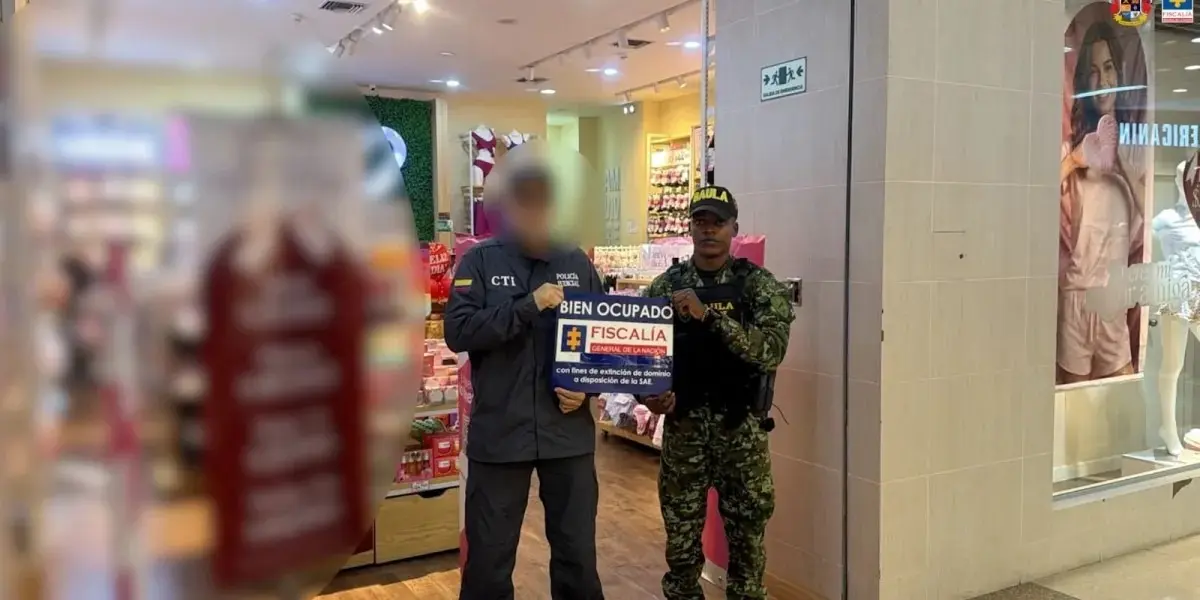
Bogotá, Colombia — In an era defined by instantaneous digital publishing and the relentless 24-hour news cycle, the fundamental tenets of journalism—accuracy, nuance, and accountability—remain paramount. Radio Nacional de Colombia has issued a formal editorial clarification and comprehensive rewrite regarding a high-profile asset forfeiture operation originally reported on September 21, 2026. The initial coverage detailed multi-agency judicial actions executed by the Office of the Attorney General (Fiscalía General de la Nación) targeting properties across Bogotá and the department of Cundinamarca. Among the locations referenced in early dispatches were establishments operating under the well-known retail brands Lily Pink and Koaj.
Subsequent communications and legal clarifications provided by PERMODA LTDA., the corporate entity and legal owner of the Koaj brand, necessitated a vital distinction between real estate assets subjected to judicial measures and the commercial tenants operating within them. This expanded report provides an in-depth look at the sequence of events, the legal boundaries of asset forfeiture (extinción de dominio) in Colombia, the vital distinctions between property ownership and commercial leasehold, the official responses from affected corporate entities, and the broader implications for business reporting and journalistic standards.
Main Facts
The core of the legal proceeding centers on an extensive judicial operation conducted by the Colombian Fiscalía General de la Nación targeting assets allegedly linked to illicit enrichment and money laundering networks operating within the nation’s capital and the surrounding Cundinamarca department.
Key Elements of the Case:
- The Judicial Action: The Fiscalía, supported by specialized judicial police units, executed administrative and judicial measures known as medidas cautelares con fines de extinción de dominio (precautionary measures for the purpose of asset forfeiture). These legal instruments allow the state to temporarily seize, freeze, or take administrative control of property suspected of being acquired through illegal proceeds or used to facilitate criminal enterprises.
- The Properties vs. The Businesses: The crux of the journalistic correction involves distinguishing the physical real estate (the brick-and-mortar structures, land, and buildings) from the commercial enterprises operating inside them. While the physical premises were targeted by the Fiscalía’s asset forfeiture measures due to their historical ownership or past transactions involving investigated individuals, the retail operations housed within these spaces are not necessarily implicated.
- The Position of PERMODA LTDA.: PERMODA LTDA., the corporate parent and administrative holder of the nationally recognized fashion brand Koaj, formally addressed Radio Nacional de Colombia following the initial publication. The company clarified that it occupies the affected locations strictly in the capacity of a commercial tenant (arrendataria).
- Corporate Independence: PERMODA emphasized that neither the company itself, its legal representatives, nor the Koaj brand are subjects of the ongoing criminal investigations or asset forfeiture proceedings conducted by the Fiscalía. The measures implemented by the state affect the property titles held by third-party landlords, leaving the commercial lease agreements and operational integrity of the stores subject to separate legal evaluations regarding tenant rights and ongoing tenancy contracts.
Chronology of Events
Understanding the trajectory of both the judicial operation and the subsequent media response requires a detailed chronological breakdown of how the story unfolded from the initial raids to the editorial correction.
Phase 1: The Judicial Operation (Mid-September 2026)
- September 15–20, 2026: Investigators from the Specialized Prosecutor’s Office for Asset Forfeiture finalize intelligence packages regarding a network suspected of laundering assets through real estate investments in Bogotá and Cundinamarca. Judges specialized in control of guarantees (jueces de garantías) issue the formal orders for precautionary measures, authorizing the physical intervention and seizure of several commercial and residential properties.
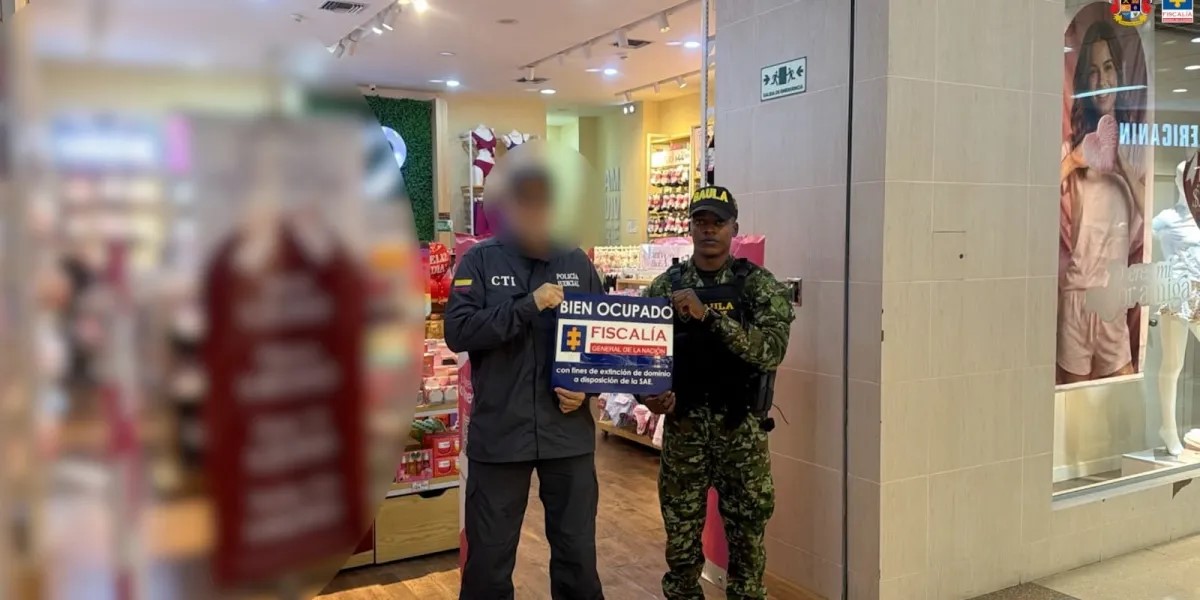
- September 21, 2026 (Morning): Law enforcement agencies execute the operational phase, posting judicial notices, taking physical possession of designated properties, and initiating the legal transfer of administration to the Special Assets Society (Sociedad de Activos Especiales – SAE).
Phase 2: Initial Media Reporting
- September 21, 2026 (Afternoon): Radio Nacional de Colombia publishes its initial digital news report covering the raids. The article outlines the scope of the Fiscalía’s operations in Bogotá and Cundinamarca. In an effort to provide geographic and contextual reference points for the public, the report mentions specific commercial establishments operating within the seized zones, including locations associated with Lily Pink and Koaj.
- The Editorial Slip: The initial phrasing failed to draw a precise legal line between the buildings targeted by the state’s precautionary measures and the commercial retail brands operating inside them. Consequently, casual readers could draw an erroneous conclusion that the retail brands themselves were under criminal investigation or subject to asset forfeiture.
Phase 3: Corporate Intervention and Legal Clarification
- September 21, 2026 (Late Afternoon): Legal representatives of PERMODA LTDA. monitor the news cycle and immediately identify the potential for reputational and commercial damage stemming from the ambiguous phrasing in public media reports.
- September 22, 2026: PERMODA LTDA. formally transmits a detailed communication to the editorial board of Radio Nacional de Colombia. The document outlines the precise legal relationship between the company and the properties in question, attaching documentation proving its status as a commercial lessee rather than an owner or target of the investigation.
Phase 4: Editorial Correction and Rewrite
- September 22, 2026: Recognizing the validity of the corporate clarification and upholding the highest standards of journalistic ethics, Radio Nacional de Colombia’s editorial leadership initiates a comprehensive review. The headline, subheadings, and body text are adjusted to clearly separate the real estate asset forfeiture from the business activities of PERMODA LTDA. and the Koaj brand, ensuring accurate and responsible reporting.
Supporting Data and Legal Framework
To fully comprehend the gravity of the situation and the necessity of journalistic precision, one must examine the legal mechanisms governing asset forfeiture in Colombia, as well as the economic footprint of the retail brands involved.
The Mechanism of Extinción de Dominio in Colombian Law
Under Article 34 of the Political Constitution of Colombia and regulated extensively by Law 1708 of 2014 (and subsequent modifications), extinción de dominio is a constitutional, public-law action directed against assets of illicit origin or those used to commit unlawful acts.
- Nature of the Action: Unlike criminal proceedings, which determine the personal guilt or innocence of an individual, asset forfeiture is in rem—it targets the property itself, regardless of who currently holds physical possession or title.
- Precautionary Measures (Medidas Cautelares): When the Fiscalía suspects that a property was acquired with funds derived from drug trafficking, corruption, extortion, or other illicit activities, it can request judicial authorization to freeze the property’s title. This prevents sale, transfer, or encumbrance while the judicial process moves through the courts.
- The Role of the SAE: Once precautionary measures are enacted, administration of the physical asset is transferred to the Sociedad de Activos Especiales (SAE). The SAE becomes responsible for managing the property, which often includes collecting rent from existing commercial or residential tenants.
Tenant Rights and Commercial Real Estate Dynamics
In urban centers like Bogotá, premier retail spaces are frequently owned by investment portfolios, holding companies, or individuals whose legal histories may occasionally intersect with judicial investigations. Major retail corporations—such as PERMODA LTDA. with its extensive network of Koaj stores—typically secure prime retail locations via long-term commercial lease agreements.
- Separation of Ownership and Tenancy: Legally, a lease agreement establishes a contractual relationship between the property owner (lessor) and the business (lessee). When a property undergoes asset forfeiture, the state steps into the shoes of the lessor.
- Continuity of Operations: Unless a court specifically orders the physical closure of a business due to direct involvement in illegal activities (such as money laundering front operations directly managed by the business entity), commercial tenants generally have the right to continue operations while renegotiating rent payments or lease administration terms directly with the SAE.
- The Vulnerability of Brand Equity: Because retail brands rely heavily on public trust, consumer perception, and brand equity, any public association—however inadvertent—between a retail store and a criminal investigation can cause immediate economic disruption, stock fluctuations, and long-term reputational harm. This reality underscores why corporate entities react swiftly to correct media ambiguities.
Official Responses
The transparency and responsiveness of both the media outlet and the affected corporate entities highlight a collaborative approach to correcting public record inaccuracies.
Statement from PERMODA LTDA.
In its official communication directed to Radio Nacional de Colombia, PERMODA LTDA. firmly established its operational boundaries and legal standing regarding the disputed properties:
"PERMODA LTDA., as the corporate entity and legal owner of the Koaj brand, categorically clarifies for the public opinion and media outlets that our occupancy of the commercial spaces referenced in recent judicial reports is strictly in the capacity of a commercial tenant (arrendataria). We are not parties to, nor are we subjects of, the asset forfeiture investigations currently being conducted by the Office of the Attorney General (Fiscalía General de la Nación). The precautionary measures executed by judicial authorities apply exclusively to the physical real estate assets and ownership titles of the properties, and in no way implicate PERMODA LTDA. or the commercial operations of the Koaj brand."
Editorial Position of Radio Nacional de Colombia
Radio Nacional de Colombia acted transparently to address the oversight in its reporting, issuing a clear institutional note explaining the adjustment:
"Radio Nacional de Colombia clarifies that in our initial reporting published on September 21 regarding asset forfeiture operations in Bogotá and Cundinamarca, sufficient distinction was not made between the physical real estate properties subjected to judicial precautionary measures and the commercial entities operating within them—specifically concerning the Koaj brand. Following official communications from PERMODA LTDA., we recognize that the company occupies these spaces solely as a lessee and is entirely independent of the ongoing judicial investigations. Consequently, our headlines and text have been adjusted to ensure complete journalistic accuracy while maintaining the factual reporting of the official state operations."
Implications
The incident involving the reporting of the Fiscalía’s asset forfeiture operations and the subsequent correction regarding PERMODA LTDA. and the Koaj brand carries profound implications for multiple sectors, ranging from legal journalism to corporate risk management.
1. The Challenge of Precision in Crime and Justice Reporting
For journalists covering law enforcement, crime, and the judiciary, the pressure to deliver breaking news often clashes with the necessity of complex legal nuance. Asset forfeiture cases involve intricate layers of property law, corporate structures, front companies, and third-party leaseholders.
- Avoiding Guilt by Association: Media outlets must exercise extreme caution when reporting addresses or commercial locations tied to raids. Naming a storefront located within a seized building without explicitly clarifying the tenant’s legal independence can inadvertently destroy a legitimate business’s reputation.
- Verification Protocols: Newsrooms must establish rigorous verification steps to confirm whether businesses operating inside targeted properties are active participants in alleged criminal conspiracies or merely innocent tenants caught in the web of real estate asset seizures.
2. Corporate Reputation and Crisis Communication
For major retail corporations and businesses operating extensive brick-and-mortar footprints, real estate risks extend beyond rental costs and zoning laws.
- Proactive Public Relations: PERMODA LTDA.’s swift and decisive response serves as a masterclass in corporate crisis communication. By immediately contacting the publishing news outlet with clear, legally backed documentation, the company neutralized potential consumer panic and prevented widespread dissemination of misinformation.
- Legal Shielding of Brand Equity: Companies must continuously monitor media coverage of real estate partners, landlords, and property holding entities to ensure that legal actions directed at physical assets do not bleed over into brand perception.
3. Institutional Accountability in Public Media
As a public broadcaster, Radio Nacional de Colombia holds a unique responsibility to maintain the highest standards of objectivity, fairness, and accountability.
- The Value of Retractions and Corrections: Rather than quietly editing a digital article without acknowledgment—a common pitfall in modern digital journalism—Radio Nacional explicitly published a transparent clarification. This act reinforces public trust, demonstrating that the institution values accuracy over stubborn adherence to flawed initial reporting.
- Setting a Standard for Digital Ethics: In an era where corrections are often buried or ignored, transparently updating a news piece while explaining why the change was made elevates the standard of ethical journalism across Latin America.
Conclusion
The judicial operations conducted by the Fiscalía General de la Nación in Bogotá and Cundinamarca represent an ongoing, aggressive state effort to dismantle networks of illicit enrichment and illegal asset acquisition. However, the intersection of criminal justice and commercial real estate requires careful navigation by both state actors and the media outlets that report on their actions.
Through prompt corporate communication from PERMODA LTDA. and a commitment to journalistic integrity by Radio Nacional de Colombia, the record has been officially and accurately set straight. The physical real estate assets subjected to precautionary measures remain under judicial review and state administration, while the operations of the Koaj brand continue independently, unhindered by the criminal investigations targeting third-party property owners. This case stands as a vital reminder of the delicate balance between reporting aggressive state anti-corruption efforts and safeguarding the reputations of innocent commercial actors in the modern media landscape.



Leave a Reply