

Main Facts
The landscape of Colombian agribusiness is undergoing a profound structural transformation, anchored in the strategic convergence of logistics, production, and supply chain vertical integration. At the heart of this evolution is We Agro, a premier agricultural input subsidiary of the esteemed Grupo Empresarial GreenLand.
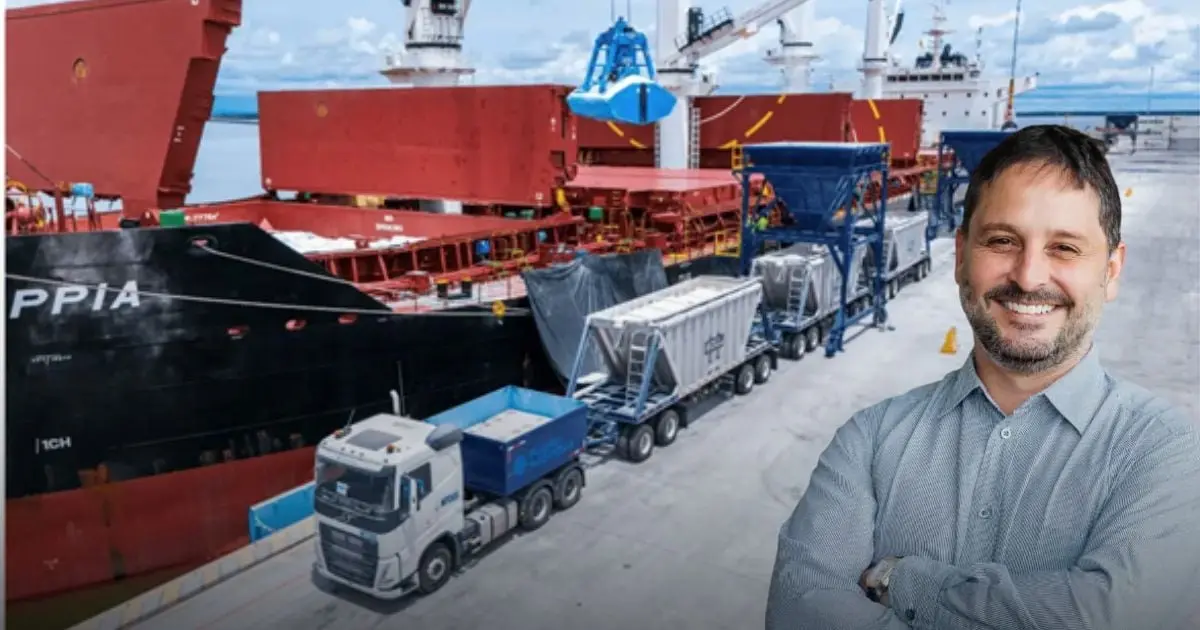
In a landmark operational milestone, We Agro recently welcomed its inaugural cargo vessel carrying bulk agricultural inputs at the newly minted Puerto Antioquia, situated in the Gulf of Urabá. Inaugurated earlier this year, Puerto Antioquia has immediately shifted the gravitational pull of Colombia’s international trade and domestic supply chains.
Strategically located a mere 1.5 kilometers from the bustling port terminal, We Agro’s cutting-edge industrial plant enjoys a logistical advantage that is virtually unrivaled in the region. This proximity slashes terrestrial freight and transportation distances by up to 35% to major agricultural production hubs across the country, including the Urabá region, Greater Antioquia, the Coffee Triangle (Eje Cafetero), the department of Córdoba, and the expansive Eastern Plains (Llanos Orientales).
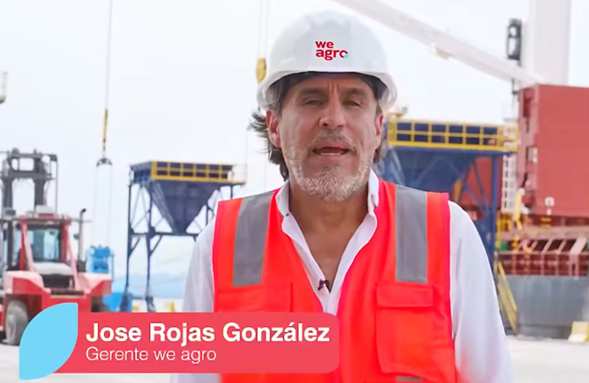
Operating under the general management of José Rojas González—who has steered the firm since late 2023—We Agro officially inaugurated its sophisticated processing and blending facility in mid-2025. The plant is engineered to formulate high-performance plant nutrition solutions tailored to the rigorous agronomic needs of Colombia’s most vital commercial crops: bananas, plantains, oil palm, Hass avocados, coffee, rice, and extensive pasturelands. With a robust projected annual production capacity of up to 500,000 tons of specialized fertilizers, We Agro is poised to mitigate domestic dependency on volatile international fertilizer markets while solidifying Grupo GreenLand’s position as a holistic agro-industrial titan.
Chronology
To fully understand the meteoric rise of We Agro and its parent entity, Grupo GreenLand, one must trace the meticulous trajectory of corporate evolution, strategic vision, and infrastructural investment that spans several decades.
- The Origins of Banacol (Late 20th Century): The genesis of the corporate group traces back to the founding of Banacol, a pioneering enterprise that established itself as a cornerstone of banana and plantain cultivation and export in the fertile Urabá region of Antioquia. Under the visionary leadership of Víctor Manuel Henríquez Restrepo, the company built a formidable reputation for international fruit distribution, establishing deep roots within the local agrarian economy and forging alliances with traditional farming families.
- Diversification and Holding Restructuring (2010s): Recognizing the limitations of relying exclusively on a single commodity export, the leadership orchestrated a profound corporate transformation. Through holding structures such as Invesmar and international investment vehicles like Greenland Investments, the company transitioned from a traditional banana producer into a highly diversified, multi-tiered conglomerate. The brand identity formally crystallized into Grupo Empresarial GreenLand.
- Expansion into New Crops and Agro-Tech (2020–2023): The conglomerate expanded its footprint beyond the Urabá lowlands into the rugged topography of Caldas and Valle del Cauca. GreenLand launched Agrícola Wakate, conquering high-altitude agricultural niches with the consolidation of the "Entre Arroyos" productive unit for Hass avocados and Tahitian limes. Simultaneously, partnerships with Swiss firm Frutco AG gave birth to Frubatec, a specialized tropical fruit processing plant.
- Leadership Transition and Industrial Realignment (Late 2023): José Rojas González assumed the general management of We Agro in late 2023, tasked with finalizing the construction of the company’s state-of-the-art fertilizer blending and nutritional solutions plant near the Urabá coastline.
- Inauguration of Puerto Antioquia and Plant Launch (Early to Mid-2025): The structural alignment reached a crescendo when Puerto Antioquia opened its doors in the Gulf of Urabá in early 2025. Shortly thereafter, We Agro formally inaugurated its industrial complex, designed to churn out half a million tons of fertilizers annually.
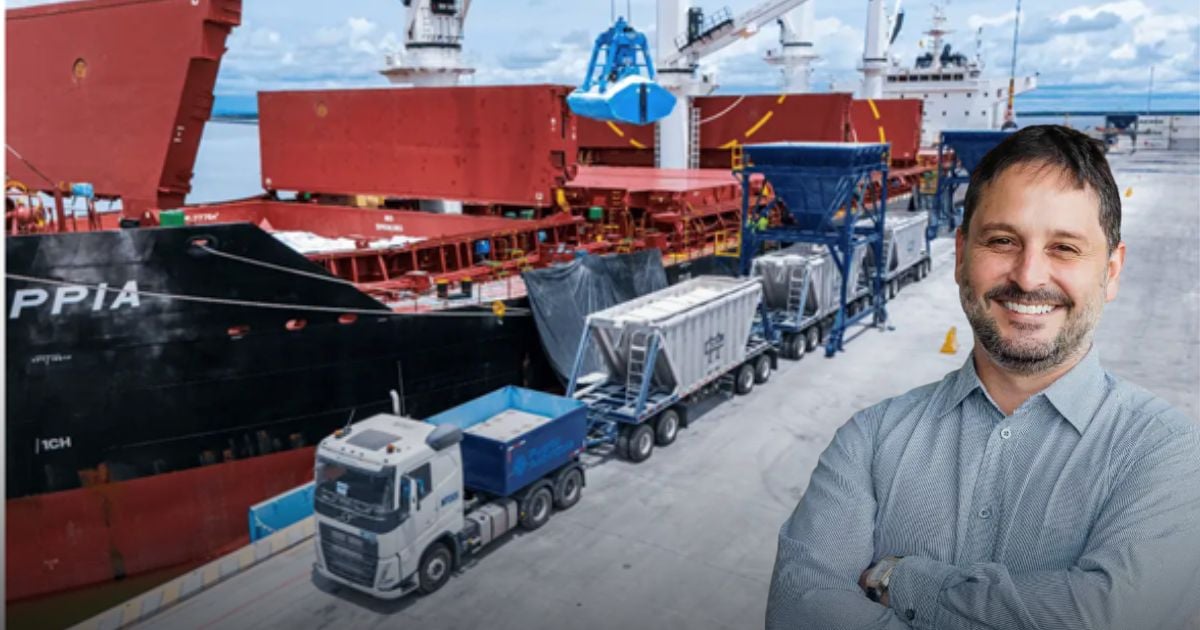
- The Logistics Milestone (Current Period): The arrival of We Agro’s first direct maritime shipment of bulk raw materials at Puerto Antioquia marks the realization of a decades-long dream for Urabá’s business leaders: a self-sustaining, vertically integrated ecosystem capable of producing its own agricultural inputs and shipping them locally with unprecedented efficiency.
Supporting Data
The scale and financial magnitude of Grupo GreenLand illustrate its dominance within the upper echelons of the Colombian corporate sector. A review of the enterprise’s operational metrics, asset allocations, and structural divisions highlights its vast economic footprint.
Financial Performance and Corporate Scale
- Agricultural Trade Revenue: In fiscal year 2025, Grupo GreenLand’s agricultural trade operations alone generated a staggering $813,590 million COP, underscoring its immense commercial muscle.
- Fertilizer Production Capacity: We Agro’s industrial plant boasts a maximum projected output of 500,000 tons per year, positioning it as one of the largest domestic suppliers of specialized plant nutrition solutions.
- Logistical Reductions: Proximity to Puerto Antioquia cuts overland logistics costs and transit distances by up to 35%, directly translating to enhanced profit margins for regional farmers and reduced carbon emissions.
The Three Pillars of Grupo GreenLand’s Architecture
The conglomerate operates through a meticulously structured three-division framework that guarantees operational self-sufficiency:
- Agricultural and Production Division:
- Banacol: The historical anchor, specializing in the large-scale cultivation and global export of premium bananas and plantains.
- Agrícola Wakate: Dedicated to the high-yield production of Hass avocados and Tahitian limes in the Andean department of Caldas (Aranzazu and Neira).
- Frubatec: A joint venture with Switzerland’s Frutco AG dedicated to tropical fruit processing, focusing heavily on the creation and commercial maturation of banana and plantain purees.
- Industrial and Inputs Division:
- We Agro: The crown jewel of regional nutrient supply, delivering custom-blended fertilizers for diverse cropping systems.
- Corrugados del Darién: A dedicated packaging firm producing high-resistance cardboard boxes customized for fruit export.
- Plastic Manufacturing Unit: Produces specialized agricultural plastics and field protection films.
- Sigatoka Control B & Bioinputs: A specialized research and operational unit focused on advanced plant health, disease management, and biological alternatives.
- Logistics and Services Division:
- CFS Logistics: Manages complex multimodal logistics—spanning terrestrial trucking, maritime shipping, and port-side operations—to guarantee uninterrupted cold-chain preservation.
- Fundación GreenLand: The group’s philanthropic and social development arm, investing heavily in regional community well-being, educational programs, healthcare access, and housing initiatives in areas of influence.
Official Responses
While private corporate maneuvers of this magnitude are driven primarily by strategic boardroom planning, the leadership behind Grupo GreenLand has consistently emphasized a philosophy of regional integration, economic resilience, and shared prosperity for the Urabá department.

Under the overarching strategic direction of Víctor Manuel Henríquez Restrepo, the executive committee has framed the growth of entities like We Agro not merely as a commercial expansion, but as a historic debt owed to a region that has long suffered from historical isolation. For decades, the Urabá region possessed world-class agricultural potential yet remained bottlenecked by substandard infrastructure, high freight costs, and an over-reliance on distant ports like Cartagena, Santa Marta, or Buenaventura.
The corporate leadership has repeatedly noted that the creation of We Agro and its physical anchoring next to Puerto Antioquia represents the completion of a grand infrastructural circle. By eliminating middlemen, reducing maritime-to-land transfer friction, and tailoring nutrient formulas directly to the chemical composition of local soils, the group’s executives argue that Colombian agriculture can finally compete on equal footing with global agricultural superpowers.
Furthermore, management has underscored that the integration of local Urabá investors and traditional agricultural families within the holding structure ensures that the wealth generated by initiatives like We Agro remains anchored within the region, fostering long-term socioeconomic stability rather than extracting capital for external enrichment.
Implications
The successful launch of We Agro’s maritime supply chain via Puerto Antioquia carries profound economic, geopolitical, and environmental implications for Colombia and the broader Latin American agribusiness landscape.
1. Disruption of the Domestic Input Market
For generations, Colombian farmers have been chronically vulnerable to global supply chain shocks, geopolitical conflicts, and currency fluctuations affecting imported fertilizers (such as urea and complex NPK blends originating from Eastern Europe, Russia, or China). By establishing a local industrial powerhouse capable of churning out 500,000 tons of customized fertilizers annually, We Agro provides a critical buffer. Domestic producers of coffee, palm oil, and bananas will enjoy more stable pricing, predictable delivery schedules, and fertilizers scientifically engineered for tropical soils rather than generic global formulations.
2. Transformation of the Urabá Region into a Global Logistics Hub
The opening of Puerto Antioquia, combined with We Agro’s strategically placed facility, fundamentally alters Colombia’s economic geography. Traditionally, the interior of the country looked toward the Magdalena River or the Pacific coast for international trade. The Gulf of Urabá is now rapidly cementing its status as the "Banana and Agro-Export Capital of Colombia." The 35% reduction in terrestrial transport distances achieved by We Agro sets a new benchmark for industrial efficiency, likely triggering a wave of secondary and tertiary industrial investments in the surrounding municipalities.
3. Vertical Integration as a Risk-Mitigation Model
Grupo GreenLand serves as a textbook masterclass in corporate vertical integration. By owning the land (Banacol, Wakate), processing the fruit (Frubatec), manufacturing the protective packaging (Corrugados del Darién), treating crop diseases (Sigatoka Control), supplying the proprietary fertilizers (We Agro), and managing the cold-chain logistics (CFS Logistics), the conglomerate has effectively insulated itself against external market volatility. Analysts suggest this model will increasingly become the gold standard for large-scale agricultural enterprises seeking to survive margin squeezes in an unpredictable global economy.
4. Environmental and Social Sustainability
The proximity of the industrial plant to the port and major agricultural centers drastically lowers diesel consumption and carbon emissions associated with long-haul trucking across Colombia’s rugged mountain ranges. On the social front, the robust integration of the Fundación GreenLand ensures that the industrialization wave brings tangible improvements in education, health, and housing to communities in Urabá, Caldas, and Valle del Cauca. By elevating the living standards of local farming communities, Grupo GreenLand is not only securing its supply chain labor force but also proving that modern industrial agriculture and social equity can successfully coexist.


Leave a Reply